The Archaeological Site of Herdonia: The Pompeii of Puglia
- Herdonia offers a unique glimpse into ancient Roman life, similar to the famed site of Pompeii.
- Strategic excavation efforts are revealing significant artifacts that enhance our understanding of the region.
- Investing in archaeological tourism at Herdonia can drive local economic growth.
- Preservation efforts are crucial for maintaining the site’s integrity for future generations.
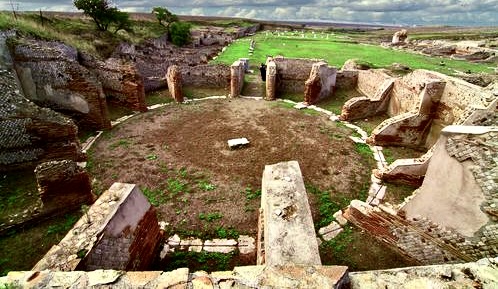
The archaeological site of Herdonia, located in the Puglia region of Italy, is often referred to as the “Pompeii of Puglia” due to its remarkably preserved ruins and rich historical significance. This ancient city, which dates back to the Roman Empire, provides invaluable insights into the daily lives, culture, and architecture of its time.
As excavation efforts continue, Herdonia is becoming a focal point for both scholars and tourists. The site’s potential for educational and economic growth is immense, making it a critical area for investment and preservation.
Continue Reading
Historical Background of Herdonia
Founded in the 4th century BC, Herdonia was strategically located along the Via Traiana, a vital Roman road connecting Benevento to the Adriatic coast. This location facilitated trade and military movements, contributing to its prosperity during the Roman Empire. The site was inhabited until the 6th century AD, when it was gradually abandoned, likely due to a combination of economic decline and invasions.
Significance of the Site
Herdonia is significant not only for its ruins but also for what they reveal about Roman urban planning and architecture. The layout of the city includes a forum, public baths, and residential areas, showcasing the typical features of Roman towns. The preservation of frescoes and mosaics offers a glimpse into the artistic achievements of the time.
Excavation Efforts
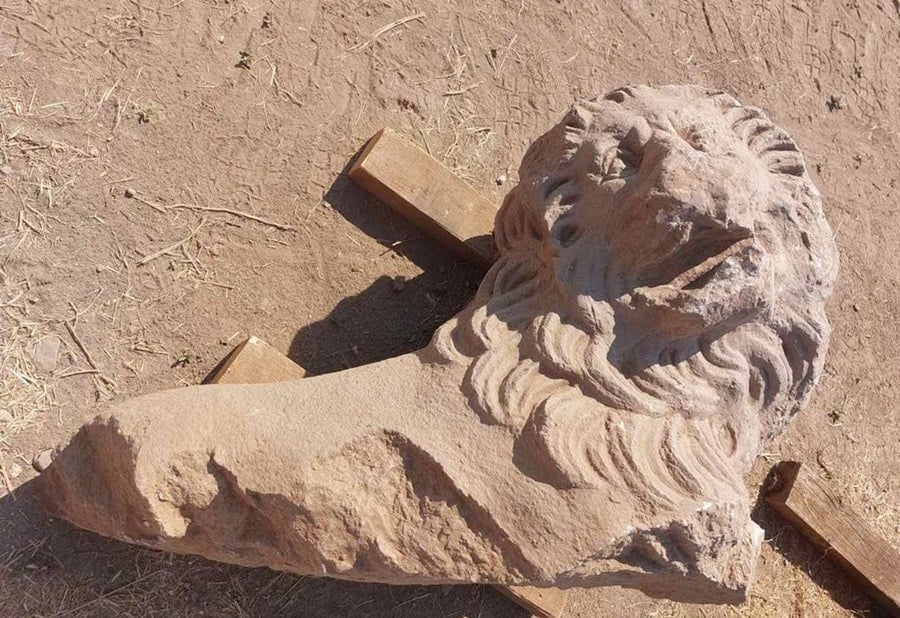
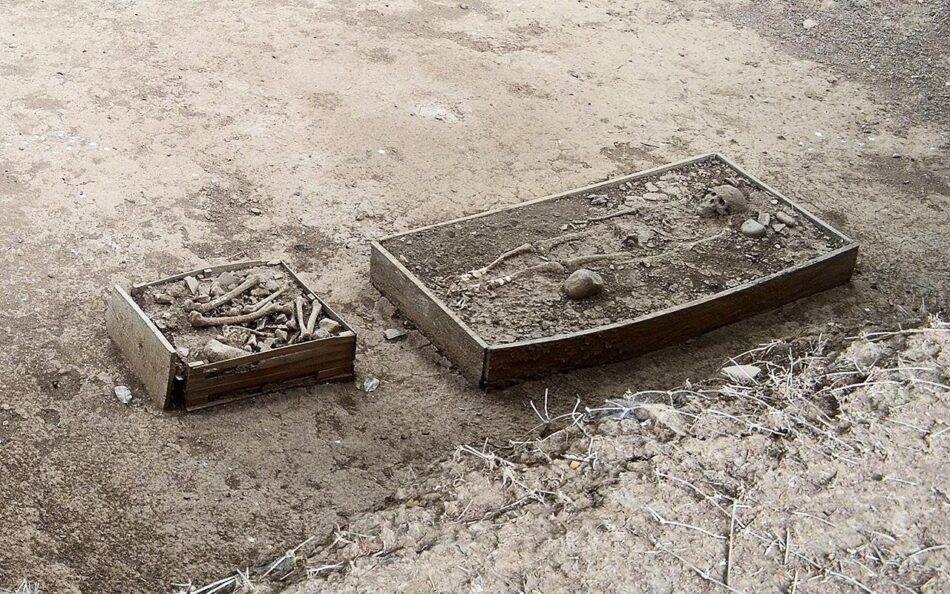
Excavations at Herdonia began in the 1980s and have since uncovered a wealth of artifacts, including pottery, tools, and inscriptions. These findings are crucial for understanding the socio-economic dynamics of the region. The ongoing work is supported by various archaeological teams and institutions dedicated to uncovering the site’s full potential.
Artifacts and Discoveries
- Mosaics: Intricate floor mosaics depicting mythological scenes have been uncovered, illustrating the artistic flair of the inhabitants.
- Pottery: Various pottery styles have been found, indicating trade connections with other regions.
- Inscriptions: Latin inscriptions provide insights into the political and social structures of the time.
Tourism and Economic Impact
The growing interest in Herdonia presents an opportunity for the local economy. By developing archaeological tourism, the region can attract visitors seeking to explore its rich history. This influx of tourists can lead to job creation and the revitalization of local businesses.
Investment in infrastructure, such as visitor centers and guided tours, can enhance the overall experience for tourists while ensuring that the site is preserved for future generations. Educational programs can also be developed to engage schools and universities, further promoting the importance of archaeological research.
Preservation Challenges
While the potential for Herdonia is vast, several challenges must be addressed to ensure its preservation. Environmental factors, such as erosion and weathering, pose significant risks to the site. Additionally, the balance between tourism and conservation is delicate; measures must be implemented to protect the integrity of the ruins while accommodating visitors.
Collaboration between local authorities, archaeologists, and conservationists is essential for developing effective strategies to safeguard Herdonia. This includes regular maintenance, monitoring of the site, and community involvement in preservation efforts.
Future Prospects
The future of Herdonia looks promising, with ongoing excavations and increasing public interest. As more discoveries are made, the site is likely to gain recognition as a key archaeological destination in Italy. Efforts to promote Herdonia as a cultural heritage site will not only benefit the local community but also contribute to the broader understanding of Roman history.
In conclusion, Herdonia stands as a testament to the rich history of the Roman Empire in Puglia. Its preservation and promotion as an archaeological site can yield significant educational and economic benefits, ensuring that this remarkable piece of history remains accessible for generations to come.
Frequently Asked Questions
Herdonia is significant for its well-preserved ruins that provide insights into Roman urban life, architecture, and culture, similar to the more famous Pompeii.
Tourism can drive local economic growth by attracting visitors, creating jobs, and revitalizing local businesses, particularly through archaeological tourism initiatives.
Herdonia faces challenges such as environmental erosion, the need for regular maintenance, and balancing tourism with conservation efforts to protect the site.
Note: Provide a strategic conclusion reinforcing long-term business impact and keyword relevance.