Revolutionizing Archaeology: The Role of AI in Unraveling Ancient Mysteries
- AI significantly accelerates the discovery of archaeological sites, enhancing research efficiency.
- Machine learning algorithms are being trained to recognize various historical remains, including geoglyphs.
- Collaboration between archaeology and technology leads to innovative projects like the Odyssey project.
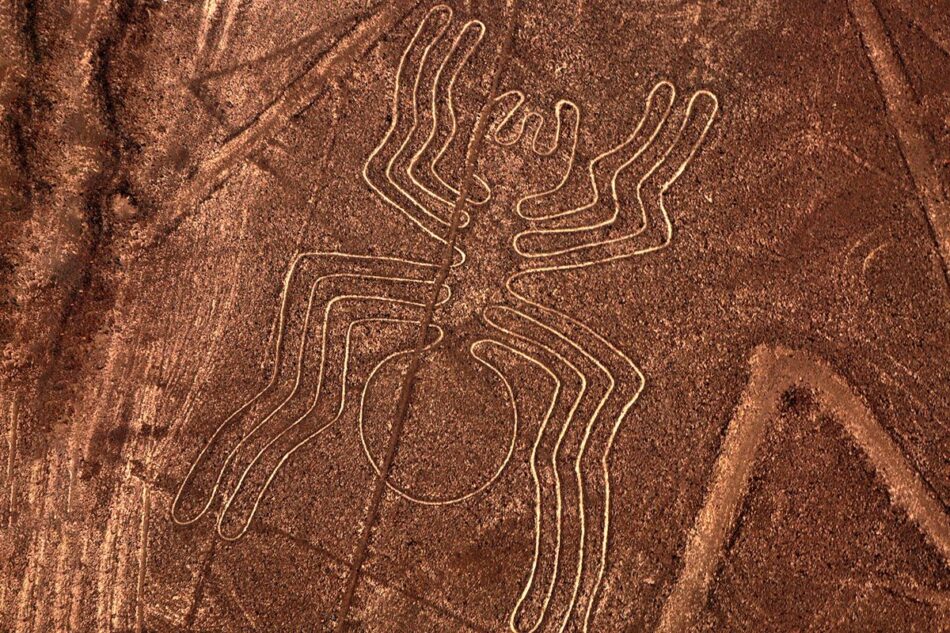
For over a century, the Nazca Lines in Peru have captivated archaeologists and historians alike. These enormous geoglyphs, created by the Nazca civilization between 200 BC and 650 AD, remain one of the world’s most intriguing archaeological puzzles.
Recent advancements in artificial intelligence (AI) are transforming how researchers approach these ancient mysteries. By leveraging AI technology, archaeologists are uncovering new insights into the purpose and significance of the Nazca Lines, as well as other historical artifacts.
Continue Reading
The Nazca Lines: An Overview
The Nazca Lines are a collection of geoglyphs spread over approximately 450 km² of desert in southern Peru. These ancient designs include various shapes, such as animals, plants, and geometric figures, which can only be fully appreciated from the air.
Initially discovered in the 1940s, the lines have been the subject of extensive research. However, their exact purpose remains a topic of debate among scholars. Some theories suggest they served as astronomical calendars, while others propose they were ritual pathways or markers for water sources.
AI’s Role in Archaeology
In recent years, archaeologists have begun to harness the power of AI to analyze vast amounts of aerial imagery, leading to significant discoveries in the Nazca region. Collaborating with scientists from IBM, researchers have taught AI algorithms to identify geoglyphs within extensive datasets, enabling them to uncover previously unknown designs.
Professor Masato Sakai from Yamagata University’s Institute of Nazca highlights that AI has allowed his team to discover 303 new figurative geoglyphs in just six months, nearly doubling the total known count. This efficiency is crucial given the vast area that needs to be surveyed.
Technological Advancements in Archaeology
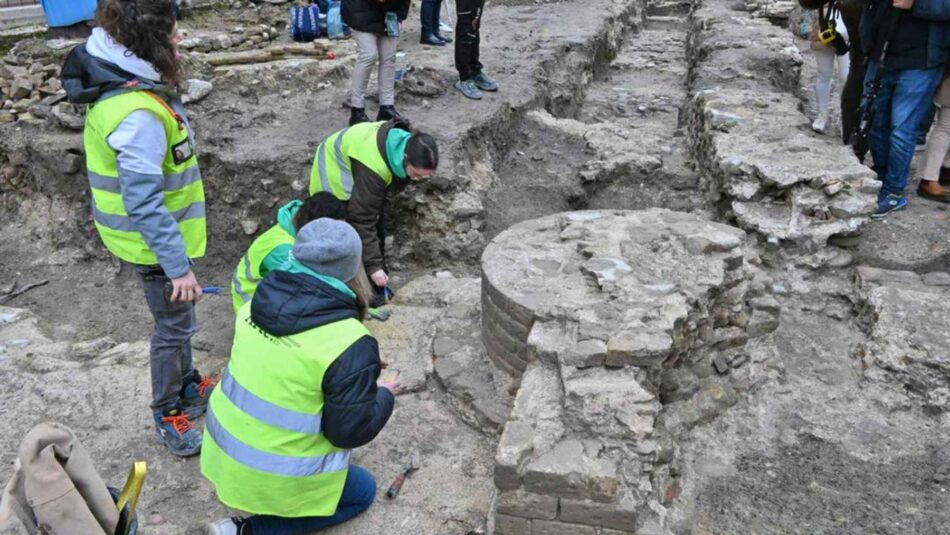
The integration of AI marks the beginning of a new technological era in archaeology. Previously reliant on manual surveys and ground-based research, archaeologists now employ remote sensing technologies, including satellite imagery and drones, to map and analyze archaeological sites.
Dr. João Fonte, an archaeologist with ERA Arqueologia, emphasizes that the field is at the forefront of digital innovation. The transition from traditional methods to modern techniques like photogrammetry and machine learning has revolutionized how archaeological data is collected and interpreted.
The Odyssey Project: A Case Study
One notable initiative demonstrating the potential of AI in archaeology is the Odyssey project. This collaboration between archaeology and AI experts aims to teach machine learning algorithms to recognize different types of archaeological sites. The project has successfully identified hillforts based on aerial survey data, considering factors such as elevation and landscape features.
By analyzing just 15 percent of the available data, the AI model identified 384 potential hillforts, showcasing its ability to detect archaeological features that may otherwise remain undiscovered.
Future Implications of AI in Archaeology
The advancements in AI technology have far-reaching implications for the field of archaeology. As AI continues to evolve, its applications could extend beyond the Nazca Lines to various archaeological contexts worldwide. The ability to process large datasets efficiently may lead to the discovery of countless historical sites and artifacts.
Moreover, AI’s capability to learn from diverse data sources enables it to make inferences similar to human experts. This could enhance the accuracy of archaeological interpretations and provide new perspectives on ancient civilizations.
Challenges and Considerations
Despite the promising potential of AI in archaeology, several challenges remain. The final verification of AI-generated findings must still be conducted by human experts to ensure accuracy and reliability. Furthermore, ethical considerations regarding data usage and the preservation of cultural heritage must be addressed as technology continues to advance.
Conclusion
The integration of AI into archaeological research represents a significant leap forward in our ability to understand and interpret ancient civilizations. By unlocking the secrets of the Nazca Lines and other historical sites, AI is not only enhancing our knowledge of the past but also paving the way for future discoveries. As technology continues to evolve, the collaboration between archaeology and AI will undoubtedly yield even more remarkable insights into our shared human history.
Note: Provide a strategic conclusion reinforcing long-term business impact and keyword relevance.
Frequently Asked Questions
AI is used to analyze large datasets of aerial imagery, helping archaeologists identify and discover new geoglyphs and archaeological sites more efficiently.
The Nazca Lines are ancient geoglyphs located in Peru, created by the Nazca civilization between 200 BC and 650 AD, depicting various shapes and figures.
The Odyssey project is a collaboration between archaeology and AI experts aimed at teaching machine learning algorithms to recognize different types of archaeological sites, enhancing discovery and analysis.