Top Countries Where Lord Shiva Is Worshipped by Devotees Worldwide
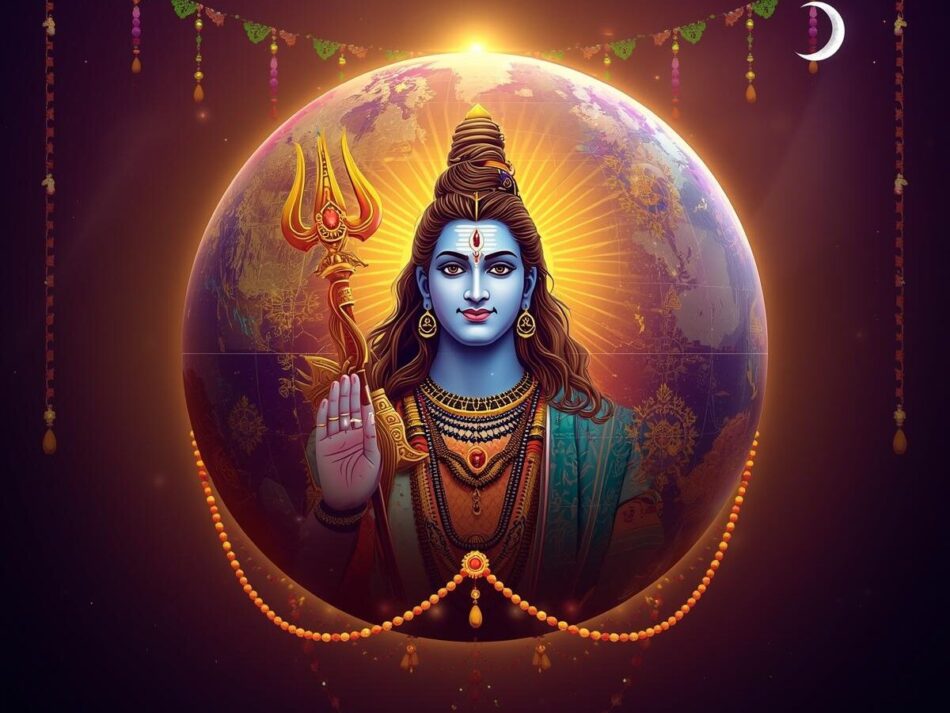
Lord Shiva, one of the principal deities in Hinduism, is revered by millions around the globe. His worship transcends borders, with a significant following in various countries outside India. This article explores the top countries where Lord Shiva is worshipped, highlighting the traditions and cultural practices associated with Shaivism.
From the majestic Pashupatinath Temple in Nepal to the vibrant celebrations among the Indian diaspora in countries like Mauritius and Fiji, the devotion to Lord Shiva is a testament to the rich tapestry of Hindu culture and its global influence.
Continue Reading
1. India: The Heart of Shaivism
India remains the epicenter of Shiva worship, with numerous temples dedicated to the deity. Key locations include:
- Kashi Vishwanath Temple: Located in Varanasi, it is one of the most revered temples dedicated to Lord Shiva.
- Kedarnath Temple: Situated in the Himalayas, this temple is a significant pilgrimage site for devotees.
- Somnath Temple: Known as the first among the twelve Jyotirlingas, it holds immense religious significance.
During festivals like Maha Shivratri, these temples witness a surge of pilgrims who engage in fasting, night vigils, and special pujas.
2. Nepal: The Land of Pashupatinath
Nepal is home to the Pashupatinath Temple in Kathmandu, one of the holiest Shiva temples in the world. The temple attracts thousands of devotees and tourists alike, especially during:
- Maha Shivratri: A major festival where devotees gather to pay homage to Lord Shiva.
- Shivaratri Mela: A fair that accompanies the festival, showcasing local culture and traditions.
The cultural significance of Shiva in Nepal is profound, with many rituals and practices centered around his worship.
3. Sri Lanka: A Strong Shaivite Tradition
Sri Lanka has a rich history of Shiva worship, particularly among the Tamil Hindu community. Notable temples include:
- Koneswaram Temple: An ancient temple located in Trincomalee, it is a significant pilgrimage site.
- Nallur Kandaswamy Kovil: A prominent temple in Jaffna, known for its vibrant festivals.
The Tamil Hindus in Sri Lanka maintain a strong Shaivite tradition, celebrating various festivals that honor Lord Shiva.
4. Indonesia: Balinese Hinduism
In Indonesia, particularly in Bali, Shiva worship is integrated into the local Hindu practices. The Balinese people celebrate:
- Galungan: A festival that honors the ancestors and deities, including Shiva.
- Nyepi: The Day of Silence, which is observed with rituals that include offerings to Shiva.
The influence of Shaivism in Indonesia is evident in the architecture of temples and the daily practices of the Balinese people.
5. Southeast Asia: Historical Influences
Countries like Cambodia and Thailand have historical ties to Shaivism, with numerous ancient temples built in honor of Lord Shiva. Significant sites include:
- Angkor Wat: Originally dedicated to Shiva, this temple complex is a UNESCO World Heritage site.
- Prasat Preah Vihear: A temple located on a 525-meter cliff, showcasing the architectural grandeur of Shaivism.
The remnants of Shaivism in these countries reflect the historical spread of Hindu culture throughout Southeast Asia.
6. Global Indian Diaspora
Indian-origin communities around the world continue to practice Shiva worship, with temples established in various countries, including:
- Malaysia: Temples like the Batu Caves are popular among devotees.
- Mauritius: The island hosts several Shiva temples, and the Maha Shivratri festival is celebrated with great fervor.
- Fiji: The Hindu community actively participates in Shiva-related festivals and rituals.
- Trinidad and Tobago: Here, the Hindu community honors Lord Shiva through various cultural events and temple activities.
The devotion to Lord Shiva among the Indian diaspora showcases the enduring influence of Hindu culture across continents.
Frequently Asked Questions
Lord Shiva is known as the “Destroyer” in the Hindu Trinity and represents transformation, meditation, and cosmic equilibrium.
Maha Shivratri is celebrated to honor Lord Shiva, and devotees engage in fasting, night vigils, and special prayers during this festival.
Shaivism has spread through historical trade routes, migration, and the establishment of Indian communities in various countries, leading to the construction of temples and the practice of rituals.
Note: The global worship of Lord Shiva reflects the rich cultural heritage of Hinduism and its adaptability across different societies.