UK Must Recognise Militant Hindutva as a Form of Extremism: Insights from the 2022 Leicester Violence
The 2022 clashes between Hindus and Muslims in Leicester, UK, have drawn significant attention, leading to an inquiry that highlights the role of disinformation in escalating tensions. The report emphasizes the need for the UK government to recognize militant Hindutva as a form of extremism akin to other radical ideologies.
This article explores the findings of the Independent Commission of Inquiry, which sheds light on the complex dynamics of the violence and the implications for community relations in the UK.
Continue Reading
Background of the Leicester Unrest
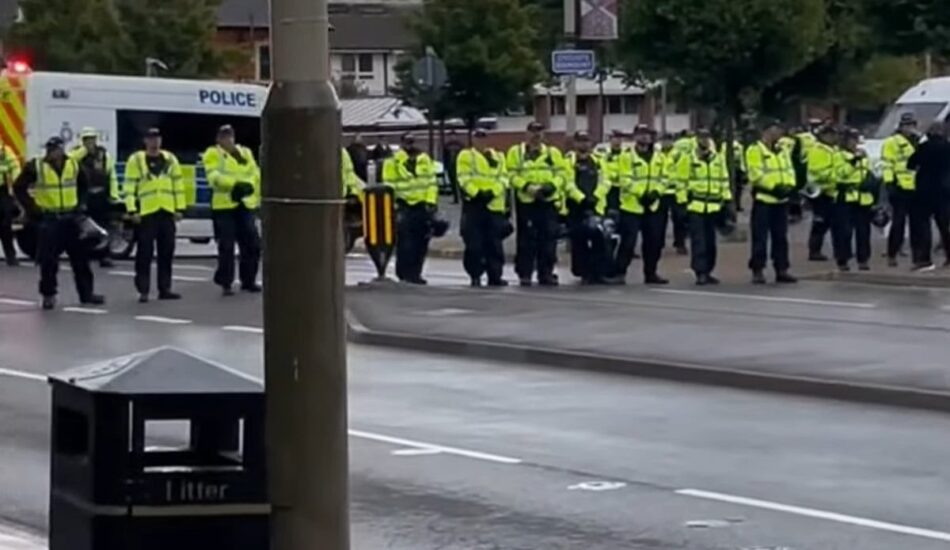
The violence in Leicester during August and September 2022 was marked by a series of events that reflected deep-seated communal tensions. The inquiry, conducted by the School of Oriental and African Studies (SOAS), London, gathered testimonies from local residents, witnesses, and community leaders to understand the underlying causes of the unrest.
Key Findings of the Inquiry
The report identifies several critical factors that contributed to the violence:
- Disinformation and Misinformation: The inquiry found that false narratives were propagated through social media, portraying Hindus as victims of attacks by ‘Pakistani’ and ‘Islamist’ groups. These narratives were often driven by coordinated accounts based in India.
- Complex Triggers: The tensions were fueled by a range of provocations from both communities, including public celebrations and retaliatory violence.
- Uneven Influence: Hindu nationalist groups were found to have greater resources and support from international media networks and elements of the Indian government, which contributed to the escalation of tensions.
The Role of Social Media
The report highlights the significant impact of social media in shaping narratives around the Leicester violence. It notes that:
- Disinformation campaigns were prevalent, with many posts originating from inauthentic accounts.
- Hindutva narratives framed the situation as a conflict between Hindus and Muslims, often exaggerating the threats faced by the Hindu community.
- Both communities engaged in spreading misinformation, which further polarized opinions and incited violence.
Incidents Leading to Violence
The timeline of events leading to the unrest included:
- May 22: An attack on a Muslim man was perceived as a hate crime, leading to community outrage.
- August 15: Celebrations of Indian Independence Day by Hindu youths were seen as provocations by the Muslim community.
- September 17: A “neighbourhood safety march” organized by Hindus escalated into violence, with reports of physical assaults and communal chants.
Community Responses and Reactions
In the aftermath of the violence, community leaders from both sides sought to address the tensions:
- Muslim leaders attempted to apologize for the desecration of a Hindu temple and offered to repair damages.
- Community discussions aimed at improving relations were initiated, though the path to reconciliation remains fraught with challenges.
Recommendations from the Inquiry
The report calls for the UK government to take decisive action against the rise of militant Hindutva, recommending:
- Recognition of militant Hindutva as a form of extremism.
- Increased monitoring of disinformation campaigns on social media.
- Community engagement initiatives to foster dialogue and understanding between different religious groups.
Frequently Asked Questions
The clashes were triggered by a series of provocations, including public celebrations and retaliatory violence, exacerbated by disinformation spread on social media.
Social media played a crucial role in shaping narratives, with both communities spreading misinformation that heightened tensions and incited violence.
The inquiry recommends recognizing militant Hindutva as extremism, monitoring disinformation campaigns, and fostering community engagement to improve relations.
Note: The events in Leicester highlight the complex interplay of community relations, the role of social media, and the urgent need for dialogue and understanding to prevent future violence.