The Dravidian De-Saffronisation: How DMK Is Hollowing Out Tamil Hinduism
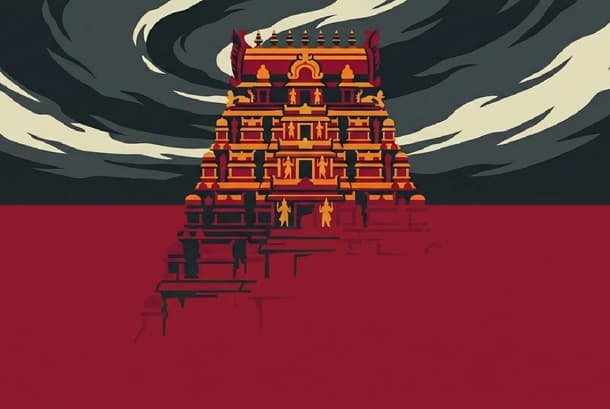
The political landscape of Tamil Nadu has undergone significant transformations over the decades, particularly with the rise of the Dravida Munnetra Kazhagam (DMK). This party has been instrumental in redefining the cultural narrative surrounding Tamil Hinduism, often positioning itself against traditional Hindu practices. The concept of “De-Saffronisation” has emerged as a critical aspect of DMK’s strategy, aiming to reshape Tamil identity and spirituality.
As we delve deeper into this phenomenon, it becomes evident that the DMK’s approach is not merely a political maneuver but a comprehensive cultural project that seeks to reframe Tamil heritage. This article explores the implications of this shift, the historical context, and the potential consequences for Tamil Hinduism.
Continue Reading
The Historical Context of DMK’s Rise
The DMK was founded in 1949, primarily as a political response to the perceived dominance of Brahminical culture in Tamil Nadu. The party’s founders sought to promote a Dravidian identity that was distinct from the Aryan influence attributed to northern India. This historical backdrop has shaped the DMK’s ongoing narrative and policies.
The Concept of De-Saffronisation
De-Saffronisation refers to the systematic effort to detach Tamil cultural icons and religious practices from their Hindu roots. This initiative is characterized by several key strategies:
- Reinterpretation of Historical Figures: Prominent Tamil figures, such as the poet-saint Thiruvalluvar, have been recontextualized to emphasize a non-Hindu identity.
- Educational Revisions: School curricula have been altered to present a sanitized version of Tamil history that downplays Hindu contributions.
- Cultural Rebranding: Festivals and religious practices are often rebranded as Dravidian rather than Hindu, aiming to create a separate cultural narrative.
The Impact on Tamil Hinduism
This de-saffronisation process has profound implications for Tamil Hinduism:
- Identity Crisis: Many Tamils are left grappling with their cultural identity as traditional practices are redefined.
- Marginalization of Hindu Practices: Hindu festivals and rituals are increasingly viewed as relics of an oppressive past rather than integral to Tamil culture.
- Political Polarization: The DMK’s narrative has led to increased polarization between different religious communities in Tamil Nadu.
Grassroots Resistance
Despite the DMK’s efforts, there is a growing grassroots movement among Hindus in Tamil Nadu. This movement emphasizes the importance of preserving traditional practices and reasserting Hindu identity. Key aspects of this resistance include:
- Community Engagement: Local organizations are mobilizing to celebrate Hindu festivals and educate the youth about their heritage.
- Political Advocacy: There is a push for political representation that reflects Hindu interests, countering the DMK’s narrative.
- Interfaith Dialogue: Initiatives aimed at fostering dialogue between different religious communities are gaining traction, promoting mutual understanding.
Conclusion
The DMK’s project of de-saffronisation represents a significant shift in the cultural landscape of Tamil Nadu. While it aims to redefine Tamil identity, it also risks alienating a substantial portion of the population that identifies with Hindu traditions. The ongoing resistance from grassroots movements underscores the complexity of this cultural transformation.
Frequently Asked Questions
The DMK has historically positioned itself against Brahminical dominance and promotes a Dravidian identity that seeks to separate Tamil culture from Hinduism.
The education system in Tamil Nadu has seen revisions that aim to present a narrative of Tamil history that downplays Hindu contributions and emphasizes a Dravidian identity.
Grassroots movements are emerging that focus on community engagement, political advocacy, and interfaith dialogue to preserve Hindu traditions and identity.
Note: The ongoing cultural transformation in Tamil Nadu highlights the complexities of identity and tradition in a rapidly changing political landscape.