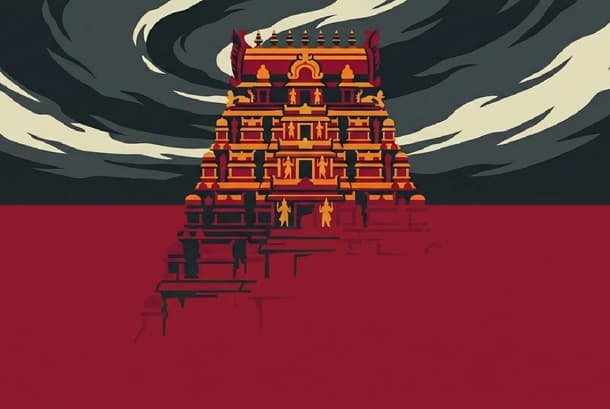
Maha Shivaratri 2026: Global Celebrations, Country-Wise Traditions & Sacred Rituals Worldwide
Maha Shivaratri, known as the “Great Night of Lord Shiva,” is one of the most significant festivals in Hinduism, celebrated with fervor across the globe. In 2026, this sacred occasion promises to unite millions in devotion, showcasing a rich tapestry of traditions and rituals that vary from one region to another.
As devotees engage in fasting, meditation, and night-long vigils, the festival reflects both cultural diversity and the shared core of Shaivite traditions. From India to the Caribbean, the observances of Maha Shivaratri are a testament to the enduring spirit of Sanatana Dharma.
Continue Reading
The Essence of Maha Shivaratri
Maha Shivaratri, celebrated on the 14th night of the dark fortnight in the month of Phalguna, holds profound significance for devotees of Lord Shiva. It symbolizes the overcoming of darkness and ignorance in life and the awakening of the inner self. The festival is marked by various rituals, including fasting, chanting, and night-long vigils known as jaagaran.
Global Observances of Maha Shivaratri
While India remains the spiritual epicenter of Maha Shivaratri, the festival is celebrated with equal enthusiasm in various countries around the world. Below are some of the notable traditions and rituals observed in different regions:
India
- Varanasi: The Kashi Vishwanath Temple hosts grand celebrations, attracting thousands of devotees who participate in rituals and prayers.
- Ujjain: The Mahakaleshwar Jyotirlinga witnesses massive gatherings, with devotees engaging in special pujas and offerings.
- Kedarnath and Amarnath: These sacred shrines see a surge in pilgrim activity, with many undertaking arduous journeys to seek blessings.
- Tamil Nadu: Temples across the state celebrate with music and dance, incorporating local cultural elements into the festivities.
Nepal
The Pashupatinath Temple in Kathmandu is a focal point for Maha Shivaratri celebrations in Nepal. The temple attracts thousands of sadhus and pilgrims who come to participate in the vibrant atmosphere filled with chanting, rituals, and community gatherings.
Mauritius
In Mauritius, Maha Shivaratri is marked by a massive pilgrimage to Ganga Talao, where hundreds of thousands walk in devotion. This event showcases the deep-rooted Hindu culture among the Mauritian diaspora.
Indonesia
Bali celebrates Maha Shivaratri with unique local traditions, blending traditional Hindu practices with Balinese culture. Meditation sessions and temple arts are integral to their observances.
Caribbean and Americas
- Trinidad & Tobago: The festival features bhajans and community gatherings, fostering a sense of unity among the Hindu population.
- United States and Canada: Observances include virtual celebrations, allowing devotees to participate in rituals and discourses from the comfort of their homes.
Modern Observances and Eco-Friendly Initiatives
As Maha Shivaratri continues to evolve, many communities are embracing eco-friendly practices. Initiatives such as using biodegradable materials for rituals and promoting sustainability are gaining traction. Additionally, the rise of digital participation through livestreams and virtual rituals has made it easier for devotees worldwide to engage in the celebrations.
Conclusion
Maha Shivaratri stands as a timeless expression of devotion, transcending geographical boundaries. It unites millions in a shared experience of transformation and inner awakening, reflecting the core values of Sanatana Dharma.
Frequently Asked Questions
Maha Shivaratri symbolizes the overcoming of darkness and ignorance, representing the awakening of the inner self through devotion to Lord Shiva.
In India, Maha Shivaratri is celebrated with rituals such as fasting, night vigils, and special prayers at temples, particularly in sacred sites like Varanasi and Ujjain.
Yes, many communities are adopting eco-friendly practices and utilizing digital platforms for virtual participation in rituals, making the festival accessible to a broader audience.
Note: Maha Shivaratri continues to be a vibrant expression of faith, adapting to contemporary contexts while preserving its sacred essence.