Nepal Celebrates Shivaratri With Cannabis Rituals Amid Religious Fervor
Shivaratri, a significant festival dedicated to Lord Shiva, is celebrated with great enthusiasm across Nepal. This year, the festival has drawn attention not only for its religious significance but also for the unique rituals involving cannabis.
As devotees gather to honor Shiva, the use of cannabis has sparked discussions about tradition, spirituality, and the intersection of culture and legality in Nepal.
Continue Reading
The Significance of Shivaratri
Shivaratri, which translates to “the night of Shiva,” is celebrated annually by millions of Hindus. The festival marks the convergence of divine energies and the cosmic dance of creation and destruction. Devotees engage in various rituals, including fasting, night vigils, and prayers, to seek blessings from Lord Shiva.
Cannabis in Nepalese Culture
Cannabis has a long-standing history in Nepal, often associated with spiritual practices and traditional medicine. In the context of Shivaratri, the use of cannabis is seen by some as a means to connect with the divine. The plant is believed to enhance meditation and facilitate a deeper spiritual experience.
Historical Context
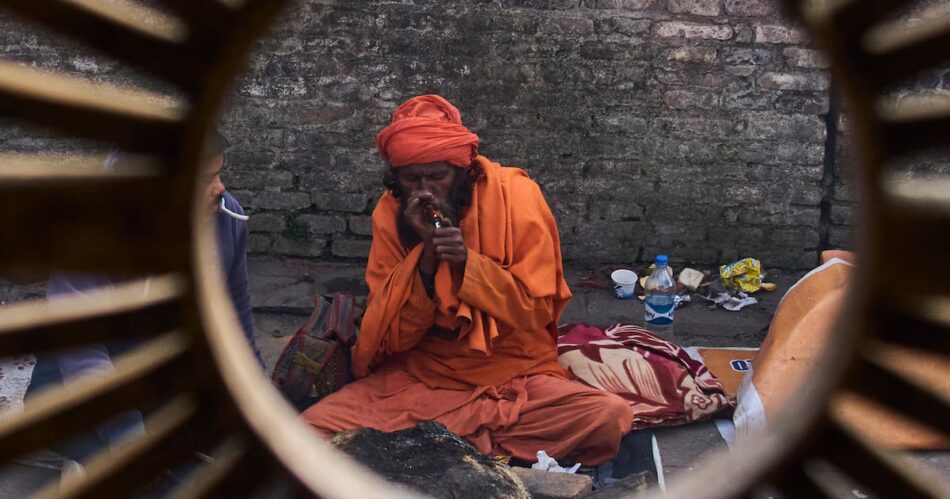
The use of cannabis in religious rituals is not new in Nepal. Historically, it has been consumed by sadhus (holy men) and devotees as part of their spiritual journey. The association of cannabis with Lord Shiva is particularly strong, as he is often depicted with a chillum (a type of smoking pipe) in hand.
The Rituals of Shivaratri
During Shivaratri, temples across Nepal are adorned with flowers and lights, and devotees flock to worship. The rituals vary from region to region, but some common practices include:
- All-night vigils where devotees chant mantras and sing hymns.
- Offering of milk, honey, and cannabis to Shiva lingams (symbolic representations of Lord Shiva).
- Gathering in groups to share stories and experiences related to Lord Shiva.
Controversies Surrounding Cannabis Use
While many view the use of cannabis during Shivaratri as a sacred tradition, others raise concerns about its legality and potential health implications. In recent years, the government of Nepal has taken steps to regulate cannabis use, leading to debates about its place in cultural practices.
Legal Framework
Although cannabis is illegal for recreational use in Nepal, its consumption for religious purposes has been tolerated. This duality creates a complex situation where devotees navigate the legal landscape while honoring their traditions.
The Experience of Devotees
For many participants, the experience of Shivaratri is transformative. The combination of rituals, community, and the use of cannabis creates a unique atmosphere of spiritual awakening. Devotees often report feelings of euphoria and a heightened sense of connection to the divine.
International Perspectives
The celebration of Shivaratri with cannabis rituals has garnered international attention, prompting discussions about the cultural significance of cannabis in religious practices worldwide. As more people become aware of these traditions, there is a growing interest in understanding the role of cannabis in spirituality.
Frequently Asked Questions
Shivaratri is a major Hindu festival dedicated to Lord Shiva, symbolizing the victory of light over darkness and the importance of meditation and self-reflection.
Cannabis is used by some devotees as a means to enhance meditation and spiritual experiences, believed to help connect with the divine presence of Lord Shiva.
While recreational use of cannabis is illegal in Nepal, its consumption for religious purposes during festivals like Shivaratri is generally tolerated.
Note: The celebration of Shivaratri in Nepal highlights the intricate relationship between tradition, spirituality, and contemporary legal frameworks surrounding cannabis use.