Understanding the Significance of Hindu Festivals in India
Hindu festivals are an integral part of Indian culture, reflecting the rich traditions and beliefs of one of the world’s oldest religions. These celebrations not only mark significant events in the Hindu calendar but also promote social cohesion and cultural heritage.
From Diwali to Holi, each festival carries its own unique significance, rituals, and customs that vary across different regions of India. This article explores the major Hindu festivals, their meanings, and the ways they are celebrated.
Continue Reading
Major Hindu Festivals
Hindu festivals are celebrated throughout the year, with each month bringing its own set of festivities. Here are some of the most significant Hindu festivals celebrated across India:
1. Diwali
Diwali, also known as the Festival of Lights, is one of the most celebrated Hindu festivals. It symbolizes the victory of light over darkness and good over evil.
- Significance: Diwali commemorates the return of Lord Rama to Ayodhya after defeating the demon king Ravana.
- Celebrations: Homes are decorated with oil lamps (diyas) and colorful rangoli, and families gather to perform prayers (puja) and share sweets.
- Duration: The festival lasts for five days, with each day having its own significance.
2. Holi
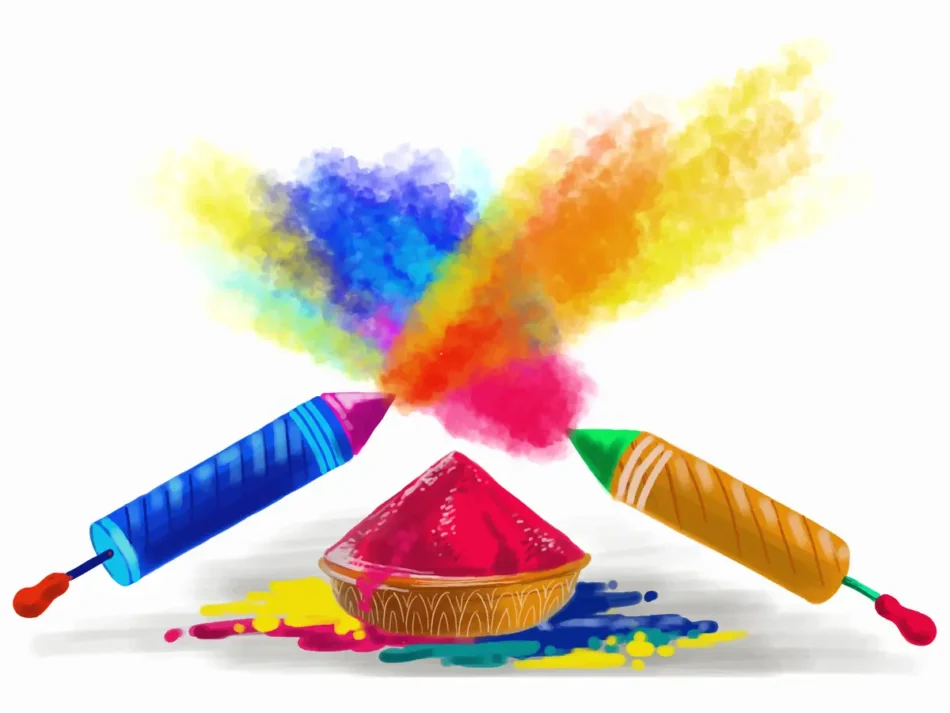
Holi, the Festival of Colors, is celebrated with great enthusiasm across India, marking the arrival of spring and the victory of good over evil.
- Significance: Holi celebrates the love of Radha and Krishna and the triumph of Prahlada over Holika.
- Celebrations: People throw colored powders (gulal) at each other, dance, and enjoy festive foods.
- Duration: Holi is celebrated over two days, with the first day known as Holika Dahan.
3. Navratri and Dussehra
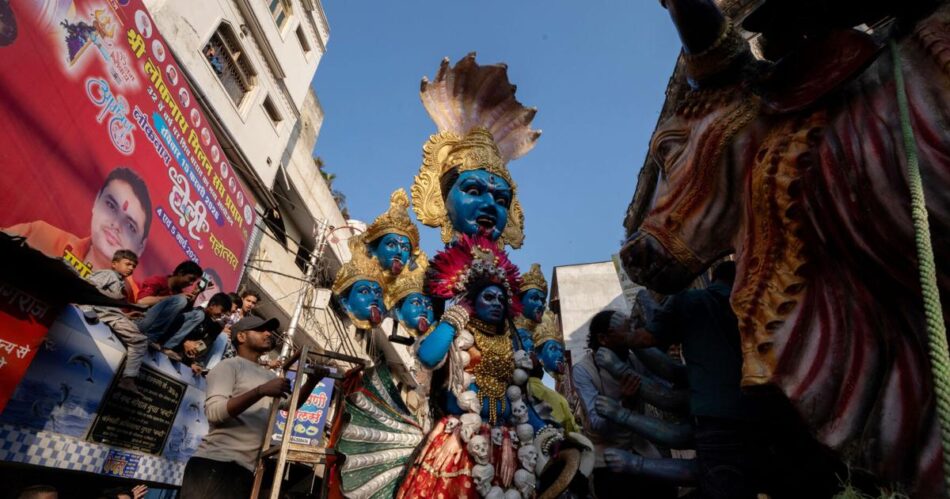
Navratri is a nine-night festival dedicated to the worship of the goddess Durga, culminating in Dussehra, which celebrates the victory of Lord Rama over Ravana.
- Significance: Navratri honors the divine feminine energy, while Dussehra symbolizes the triumph of good over evil.
- Celebrations: Devotees fast, perform traditional dances (Garba and Dandiya), and enact the Ramayana during Dussehra.
- Duration: Navratri lasts for nine nights, followed by Dussehra on the tenth day.
4. Raksha Bandhan
Raksha Bandhan is a festival celebrating the bond between brothers and sisters, symbolizing love, protection, and duty.
- Significance: Sisters tie a protective thread (rakhi) on their brothers’ wrists, and in return, brothers promise to protect their sisters.
- Celebrations: Families gather to celebrate with sweets and gifts.
- Duration: Raksha Bandhan is celebrated on the full moon day of the Hindu month of Shravana.
Regional Variations
India’s diversity is reflected in the various ways festivals are celebrated across different regions. Here are a few examples:
Diwali Celebrations Across India
- North India: Diwali is celebrated with fireworks and elaborate pujas.
- South India: The festival is marked by the worship of Lakshmi, the goddess of wealth.
- West India: In Gujarat, people celebrate with traditional dances and community gatherings.
Holi Celebrations Across India
- Mathura and Vrindavan: The birthplace of Lord Krishna sees grand celebrations with music and dance.
- Punjab: People celebrate with bhangra and traditional sweets.
- West Bengal: The festival is celebrated with a focus on the arrival of spring.
Importance of Hindu Festivals
Hindu festivals play a crucial role in maintaining cultural identity and social bonds. Here are some key reasons why these celebrations are important:
- Promoting Unity: Festivals bring people together, fostering a sense of community and belonging.
- Cultural Heritage: They preserve and promote traditional practices and rituals that have been passed down through generations.
- Spiritual Reflection: Festivals provide an opportunity for individuals to reflect on their spiritual beliefs and values.
Frequently Asked Questions
Diwali symbolizes the victory of light over darkness and good over evil, commemorating Lord Rama’s return to Ayodhya after defeating Ravana.
Holi is celebrated by throwing colored powders, dancing, and enjoying festive foods, marking the arrival of spring and the victory of good over evil.