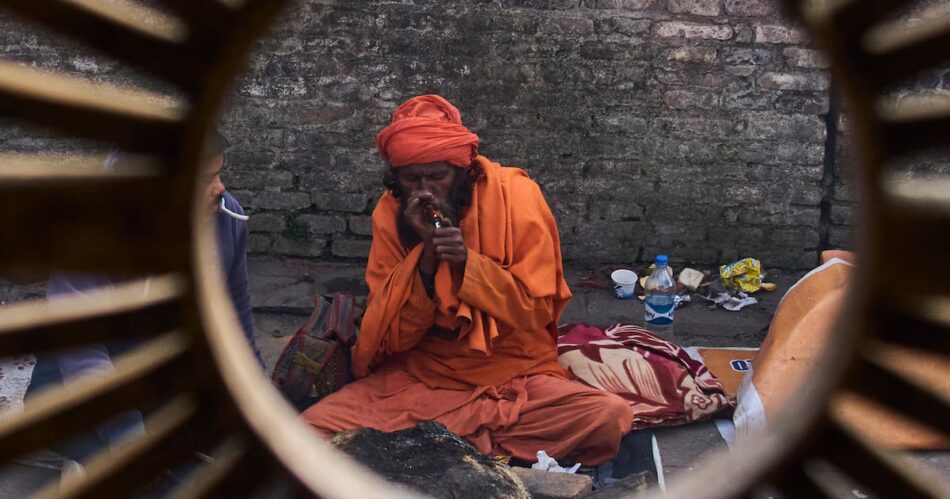
Replication of Tirthas by Indian Diaspora
The Indian diaspora has been instrumental in preserving and promoting their rich cultural heritage, particularly through the replication of Tirthas, or sacred pilgrimage sites. This phenomenon highlights the deep-rooted connection that individuals maintain with their ancestral traditions, regardless of geographical boundaries.
As communities settle in various parts of the world, they recreate these sacred spaces to foster a sense of belonging and continuity in their spiritual practices. This article explores the significance of Tirtha replication and its impact on the Indian diaspora.
Continue Reading
The Importance of Tirthas in Hindu Culture
Tirthas are not just physical locations; they embody the spiritual essence and cultural identity of the Hindu community. They serve as places of worship, pilgrimage, and community gatherings, where rituals and festivals are celebrated. The replication of Tirthas by the Indian diaspora is a testament to their commitment to preserving their cultural roots.
Preservation of Cultural Identity
For many in the diaspora, the act of recreating Tirthas is a way to maintain their cultural identity in a foreign land. By establishing temples and sacred sites, they create a microcosm of their homeland, allowing them to connect with their heritage and share it with future generations. This cultural preservation is crucial, especially in regions where the Indian population is significant.
Community Bonding and Festivals
The replicated Tirthas serve as focal points for community bonding. They provide a space for individuals to come together, celebrate festivals, and engage in cultural activities. The shared experiences foster a sense of unity and belonging among community members. Some notable aspects include:
- Celebration of traditional festivals such as Diwali, Holi, and Navratri.
- Organizing cultural events that showcase Indian music, dance, and cuisine.
- Conducting rituals and ceremonies that honor Ishta Devatas (personal deities) and Kula Devatas (family deities).
Examples of Tirtha Replication Worldwide
The replication of Tirthas can be observed in various parts of the world, reflecting the diverse backgrounds of the Indian diaspora. Here are some prominent examples:
Ayutthaya, Thailand
The city of Ayutthaya in Thailand is a notable example where the essence of Ayodhya has been recreated. This site attracts Hindu pilgrims from across the globe, who come to pay homage to their deities and participate in cultural festivities.
Thaipusam in Singapore
In Singapore, the grand celebration of Thaipusam showcases the vibrant Hindu culture. The event draws thousands of devotees who participate in rituals and processions, reflecting the rich traditions of the Indian community.
Batu Caves, Malaysia
The Batu Caves in Malaysia replicate the hill temples dedicated to Kartikeya, a revered deity in South India. This site has become a pilgrimage destination for many Hindus, especially during the Thaipusam festival.
Jagannath Temple in London
A new Jagannath temple is currently being built in London, further expanding the presence of Hindu culture in the UK. This temple will serve as a spiritual hub for the local Indian community, allowing them to practice their faith and celebrate festivals.
Swaminarayan Temples Globally
Across the globe, a series of Swaminarayan temples are being constructed to cater to the needs of Hindus living abroad. These temples not only serve as places of worship but also as centers for cultural education and community activities.
Challenges and Opportunities
While the replication of Tirthas presents numerous opportunities for cultural preservation and community bonding, it also comes with its own set of challenges:
- Maintaining Authenticity: Ensuring that the replicated Tirthas remain true to their original forms and practices can be challenging, especially in a different cultural context.
- Funding and Resources: Building and maintaining temples require substantial financial resources, which can be a barrier for some communities.
- Integration with Local Cultures: Balancing the preservation of Indian traditions while integrating with the local culture can be complex.
Future of Tirtha Replication
The future of Tirtha replication by the Indian diaspora looks promising as communities continue to grow and thrive in various parts of the world. With advancements in technology and increased connectivity, there is potential for:
- Enhanced collaboration among diaspora communities to share resources and knowledge.
- Innovative approaches to cultural education and preservation through digital platforms.
- Greater recognition and support from local governments and organizations for cultural initiatives.
Frequently Asked Questions
Tirthas are sacred pilgrimage sites in Hinduism that hold spiritual significance and are often associated with specific deities or historical events.
Indian communities replicate Tirthas abroad to preserve their cultural identity, facilitate community bonding, and provide a space for religious practices and celebrations.
Examples of replicated Tirthas include Ayutthaya in Thailand, Batu Caves in Malaysia, and the Jagannath temple being built in London.
Note: The replication of Tirthas by the Indian diaspora not only serves as a means of cultural preservation but also strengthens community ties and fosters a sense of belonging among individuals living far from their homeland.