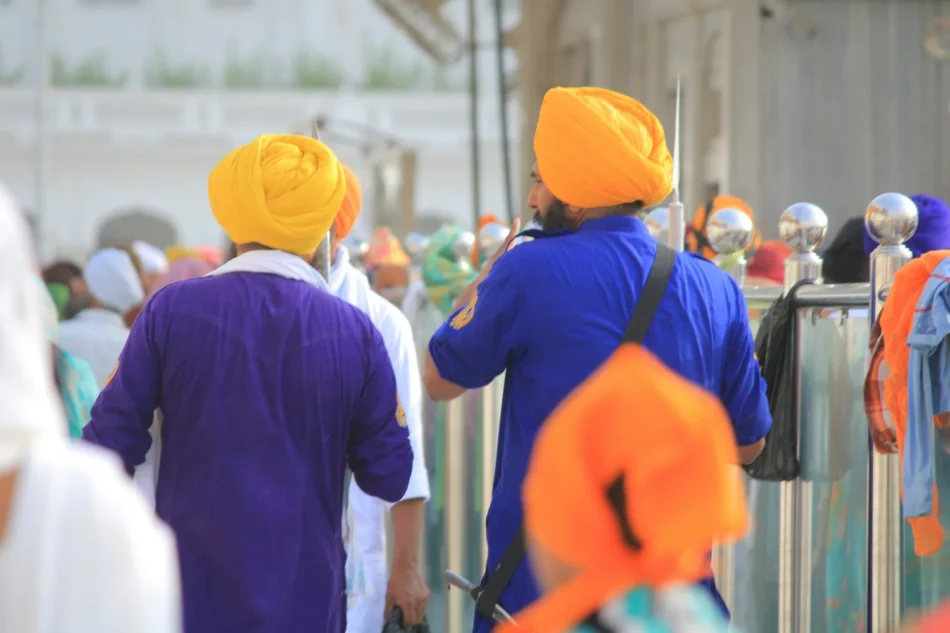
Displaced Afghan Sikhs Search For Security Before Returning Home
In a Delhi temple, Afghan Sikhs gather in prayer, their voices rising in unison, yet their hearts are burdened with a longing for a homeland they were forced to leave. Among them is Daya Singh, a man in his 70s, who has fled Afghanistan twice, first in 1992 during the Taliban’s rise to power and again in 2006 due to persecution.
This poignant gathering reflects the struggles of a community that once thrived in Afghanistan, now diminished to fewer than 100 families. Their recent meeting with Afghanistan’s Foreign Minister Amir Khan Mutaqqi at the Afghan Embassy in Delhi has sparked a glimmer of hope for a return home.
Continue Reading
The Historical Context of Afghan Sikhs
Historically, Afghanistan was home to a vibrant Sikh community, with Guru Nanak visiting the region in the early 16th century. At its peak, the Afghan Sikh population numbered nearly 200,000, contributing significantly to the cultural and economic fabric of the nation. However, decades of conflict and persecution have drastically reduced their numbers.
The Current Situation
Today, Afghan Sikhs face the dual challenge of seeking refuge while grappling with the loss of their ancestral homes. Daya Singh articulated this sentiment, stating, “The community is scattered, our houses and properties taken over, our children growing up without the land our ancestors called home.”
Meeting with Afghan Officials
The recent dialogue with Foreign Minister Mutaqqi represents a significant moment for Afghan Sikhs. During the meeting, Mutaqqi assured the Sikhs of safety and protection in Afghanistan, urging them to consider returning. However, many remain skeptical, recalling the violence that has plagued their community, including the tragic Gurdwara attack in Kabul in March 2020, which resulted in 25 deaths.
Community Support in Delhi
Despite the assurances from Afghan officials, many Afghan Sikhs continue to seek refuge in Delhi. Gurdwaras such as Rakabganj, Moti Bagh, and Bangla Sahib serve as vital support systems, providing food, accommodation, and a sense of community. These sacred spaces reflect the Sikh tradition of serving those in need.
Preserving Cultural Identity
Afghan Sikhs in Delhi actively work to preserve their cultural identity through festivals, music, and communal rituals. Celebrations of Baisakhi, Diwali, and Gurpurab are held in gurdwaras, allowing the community to maintain connections to their heritage.
Economic Ties and Future Prospects
The delegation’s discussions with Mutaqqi also focused on restoring business links between Afghanistan and India, which have historically been strong. Afghan Sikh traders have dealt in textiles, carpets, jewelry, and spices, fostering connections across borders for generations.
Reestablishing these economic ties is seen as essential for revitalizing the Afghan Sikh community and sustaining hope for a future return. The Afghan Sikhs emphasize the importance of security and support for their religious sites in Afghanistan, which have suffered neglect and encroachment.
Engagement in Civic Spaces
Participation in Afghan Jirgas, traditional councils that address local disputes, is another avenue for Afghan Sikhs to assert their rights and re-establish their presence in Afghanistan. Engaging in these civic spaces can help them reclaim their identities and properties.
Hope for the Future
For the Afghan Sikh diaspora in Delhi, faith is a lifeline that connects them to their past. Each day, gurdwaras resonate with prayers and the aroma of langar, serving as acts of resistance against cultural erasure. The hope remains that one day, they can return to Afghanistan not as refugees, but as citizens free to practice their faith without fear.
Frequently Asked Questions
Afghan Sikhs face challenges such as loss of property, cultural erosion, and the struggle to rebuild their livelihoods in India after fleeing persecution in Afghanistan.
The meeting with Afghan Foreign Minister Amir Khan Mutaqqi focused on safety assurances for returning Sikhs, restoring business ties, and the importance of protecting religious sites in Afghanistan.
Afghan Sikhs maintain their cultural identity by celebrating festivals, preserving music and prayer rituals, and engaging in community activities within gurdwaras in Delhi.
Note: The plight of Afghan Sikhs is a poignant reminder of the challenges faced by religious minorities in conflict zones. Their resilience and hope for a safe return to their homeland continue to inspire.