LHC Bars Police from Harassing Former Sikh Woman Who Converted to Islam
The Lahore High Court (LHC) has issued a significant ruling to protect the rights of Sarbjit Kaur, now known as Noor, a former Sikh woman who converted to Islam and married a Pakistani man. This ruling comes in response to allegations of police harassment following her marriage.
In a case highlighting issues of religious freedom and personal choice, the court’s decision underscores the importance of individual rights in matters of marriage and faith, especially in a context where societal pressures can lead to coercive actions.
Continue Reading
Background of the Case
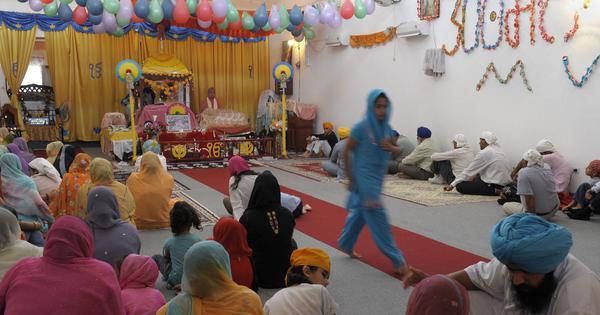
Sarbjit Kaur, an Indian national, traveled to Pakistan for religious rituals associated with the 554th birth anniversary of Guru Nanak, the founder of Sikhism. During her visit, she embraced Islam and subsequently married Nasir Hussain, a resident of Sheikhupura district. The couple’s marriage took place on November 5, 2025, and was conducted with mutual consent.
Allegations of Harassment
Following her marriage, Noor alleged that police officials raided their home on November 8, 2025. During this raid, she claimed that she was pressured to dissolve her marriage, which she described as an unlawful act of harassment instigated by certain individuals from her former community.
In her petition to the LHC, Noor stated that the police actions were influenced by Riaz and other members of the Sikh community in Nankana Sahib. Her counsel argued that the police had no right to interfere in the couple’s personal life, especially since Noor had converted to Islam of her own free will.
The Court’s Ruling
Justice Farooq Haider of the Lahore High Court listened to the arguments presented by Noor’s counsel and subsequently issued an order restraining the police from further harassment. The ruling emphasized that Noor had married Hussain without any coercion and that her conversion to Islam was a personal choice.
The court’s decision is a notable affirmation of individual rights, particularly in cases involving religious conversion and marriage across cultural boundaries.
Legal and Social Implications
This case raises important questions regarding the intersection of law, religion, and personal freedom in Pakistan. The ruling from the LHC can be seen as a step towards protecting the rights of individuals who choose to convert to a different faith and marry outside their community.
- Religious Freedom: The court’s decision highlights the need for respect for individual religious choices, particularly in a country where such decisions can lead to societal backlash.
- Personal Autonomy: The ruling reinforces the principle that individuals should have the autonomy to make personal choices regarding marriage and faith without undue interference from authorities or community members.
- Legal Precedent: This case may set a legal precedent for future cases involving religious conversion and marriage, potentially influencing how similar cases are handled by the courts.
Public Reaction
The response to the court’s ruling has been mixed. While many human rights advocates have praised the decision as a victory for personal freedom, others within conservative circles have expressed concern over the implications of such conversions and interfaith marriages.
Supporters of Noor’s case argue that it is essential for the legal system to protect the rights of individuals who may face coercion or harassment due to their personal choices. They emphasize that the law should uphold the dignity and autonomy of every individual, regardless of their religious background.
Frequently Asked Questions
The Lahore High Court intervened after Sarbjit Kaur, now Noor, alleged that police were harassing her and pressuring her to dissolve her marriage following her conversion to Islam.
This ruling could set a legal precedent that protects the rights of individuals who convert to different religions and marry outside their communities, reinforcing personal autonomy and freedom of choice.
The public reaction has been mixed, with human rights advocates supporting the ruling as a victory for personal freedom, while conservative groups express concern over the implications of interfaith marriages.
Conclusion
Note: The Lahore High Court’s ruling serves as a crucial reminder of the importance of protecting individual rights and freedoms, particularly in matters of faith and personal relationships.