Bhagavad Gita: A True Inspiration of Dharma and India’s Guiding Philosophy
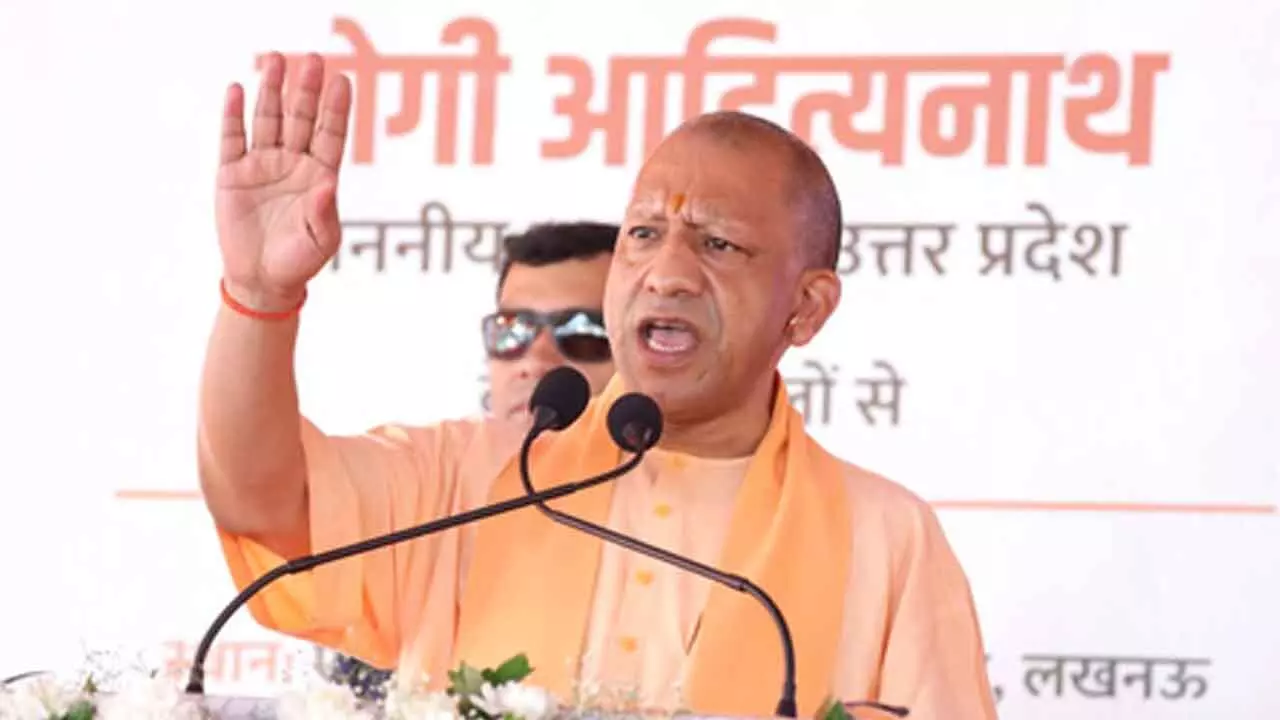
Uttar Pradesh Chief Minister Yogi Adityanath recently emphasized the significance of the Bhagavad Gita as a fundamental source of inspiration for Dharma and a guiding philosophy for India’s civilizational ethos. His remarks were made during the Divya Geeta Prerna Utsav held in Lucknow, where he highlighted the timeless teachings of this revered scripture.
Adityanath’s address underscored the Bhagavad Gita’s role not merely as a religious text but as a comprehensive guide to living a life of righteousness and duty. His insights reflect a broader understanding of Dharma that transcends ritualistic practices, positioning the Gita as a vital component of India’s cultural identity.
Continue Reading
The Essence of the Bhagavad Gita
The Bhagavad Gita, composed of 700 verses, serves as a philosophical guide for followers of Sanatan Dharma. Yogi Adityanath articulated that the Gita is not merely a scripture but a way of life, inspiring individuals to pursue purity, clarity, and dedication in their daily existence. This perspective aligns with the broader understanding of Dharma in Indian culture.
Dharma as a Way of Life
In his speech, Adityanath emphasized that Dharma should not be perceived solely as a ritualistic practice. Instead, he described it as an art of living, where individuals choose their modes of worship based on personal beliefs and sects. He stated:
“We never considered Dharma to be only an act of worship. Worship is only one aspect of it.”
This viewpoint encourages a more holistic understanding of Dharma, integrating it into everyday life and decision-making processes.
The Battlefield as a Sacred Realm
One of the notable points made by Adityanath was the interpretation of the term ‘Dharmakshetra’ in the Gita, which translates to “field of Dharma.” He remarked that the Gita begins with this term, signifying that even a battlefield can be regarded as a sacred space for duty and righteousness. He noted:
“Nowhere else in the world would a battlefield be regarded as a sacred realm of Dharma.”
This interpretation showcases the unique Indian perspective on duty and virtue, where moral choices are made even in the most challenging circumstances.
Righteousness in Action
Adityanath highlighted that individuals who follow the Sanatan Dharma strive to walk the path of righteousness. He stated that every action taken in life should align with moral and ethical principles, reinforcing the idea that Dharma is about making the right choices in various situations.
India’s Civilizational Message
During his address, Adityanath also spoke about India’s civilizational message, which is deeply rooted in compassion and duty. He asserted that India has always promoted a message of “Live and Let Live,” emphasizing coexistence and support for those in need:
- India has never claimed superiority despite its rich heritage.
- Support has always been extended to those facing adversity.
- The inspiration of “Vasudhaiva Kutumbakam,” or the world as one family, emerges from Indian soil.
This philosophy reflects India’s commitment to global harmony and the importance of supporting others, reinforcing the role of Dharma in fostering peace and understanding.
Conclusion
Yogi Adityanath’s remarks during the Divya Geeta Prerna Utsav shed light on the profound impact of the Bhagavad Gita on individual and collective consciousness in India. By framing the Gita as a source of inspiration for Dharma and a guiding philosophy, he invites a deeper exploration of its teachings and their relevance in contemporary society.
Frequently Asked Questions
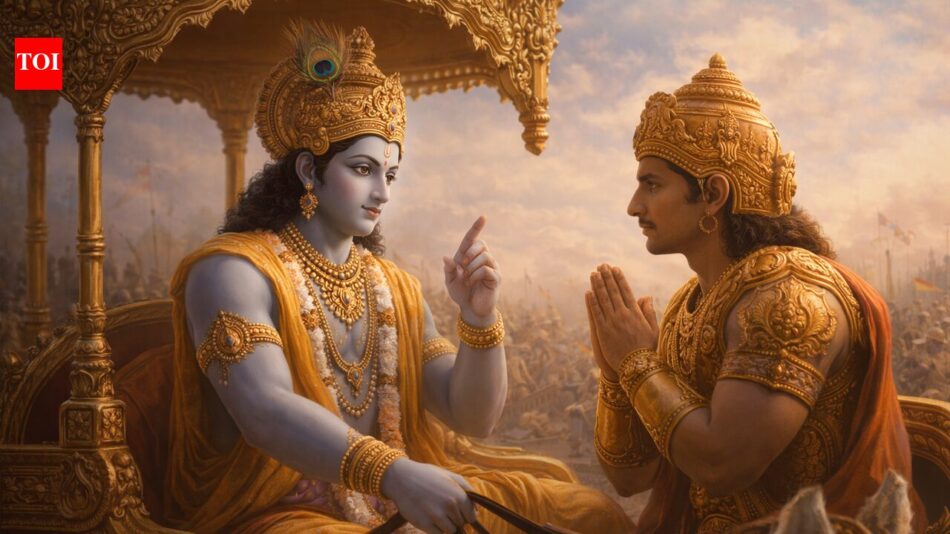
The Bhagavad Gita is a 700-verse Hindu scripture that is part of the Indian epic Mahabharata. It consists of a conversation between Prince Arjuna and Lord Krishna, who serves as his charioteer, discussing important philosophical and ethical dilemmas.
Dharma in the Bhagavad Gita is defined as the moral and ethical duties and responsibilities that individuals must uphold in their lives, which can vary based on one’s role, circumstances, and societal context.
‘Vasudhaiva Kutumbakam’ translates to ‘the world is one family’ and signifies the Indian philosophy of universal brotherhood and the importance of compassion and support for all humanity.
Note: The teachings of the Bhagavad Gita continue to resonate with individuals seeking guidance on ethical living and moral responsibilities in today’s world.