Modi’s Spiritual Discipline and India’s Progress: Insights from Partagal Swami
In a recent address during the 550th anniversary celebrations of the Shree Samsthan Gokarn Partagali Jeevottam Mutt, Shrimad Vidyadheesh Teerth Shreepad Wader Swami emphasized the significant impact of Prime Minister Narendra Modi’s spiritual practices on India’s development. The swami attributed the nation’s progress to Modi’s strict adherence to spiritual disciplines, including fasting and dietary restrictions.
The swami’s remarks not only highlighted Modi’s personal commitment to spirituality but also linked it to broader national goals, urging the Prime Minister to enhance his spiritual regimen to expedite India’s journey towards becoming a developed nation by 2047.
Continue Reading
Spiritual Practices and National Progress
During the celebrations, Partagal Swami specifically noted Modi’s observance of the Chaturmas vrat, a period during which he restricts himself to one meal a day, and his nine-day fasting during the festival of Navratri. These practices, according to the swami, not only reflect personal discipline but also serve as a source of strength and inspiration for the nation.
The swami encouraged Modi to undertake the Ekadashi vrat, a spiritual practice that involves fasting on specific days of the Hindu calendar. He suggested that such spiritual commitments could significantly contribute to achieving the ambitious vision of a “Viksit Bharat” (Developed India) by 2047.
The Role of Goa in Modi’s Political Journey
Partagal Swami also reminded the audience of Goa’s pivotal role in shaping Modi’s political career. He referenced key events such as the BJP’s national executive meeting in Goa in 2002 and the party’s convention in 2013, which were instrumental in solidifying the party’s presence in the state and nationally.
Chief Minister Pramod Sawant, who addressed the gathering, echoed these sentiments by emphasizing Goa’s cultural significance and the need to promote the state as a center of spirituality. He expressed the government’s commitment to transforming Goa into a spiritual corridor, enhancing its appeal as a tourism destination for spiritual seekers.
Partagal Mutt’s Legacy and Future Plans
In his welcome address, Shrinivas Dempo, president of the mutt’s central committee, highlighted the enduring legacy of the Partagal Mutt, which has been a beacon of Sanatan Dharma for over 550 years. He emphasized the contributions of successive pontiffs to the religious, cultural, and social upliftment of the community.
- Promotion of Sanatan Dharma in Goa.
- Commitment to the teachings of the guru parampara.
- Focus on humility, honesty, and kindness as guiding principles.
Modi’s Visit and Symbolic Gestures
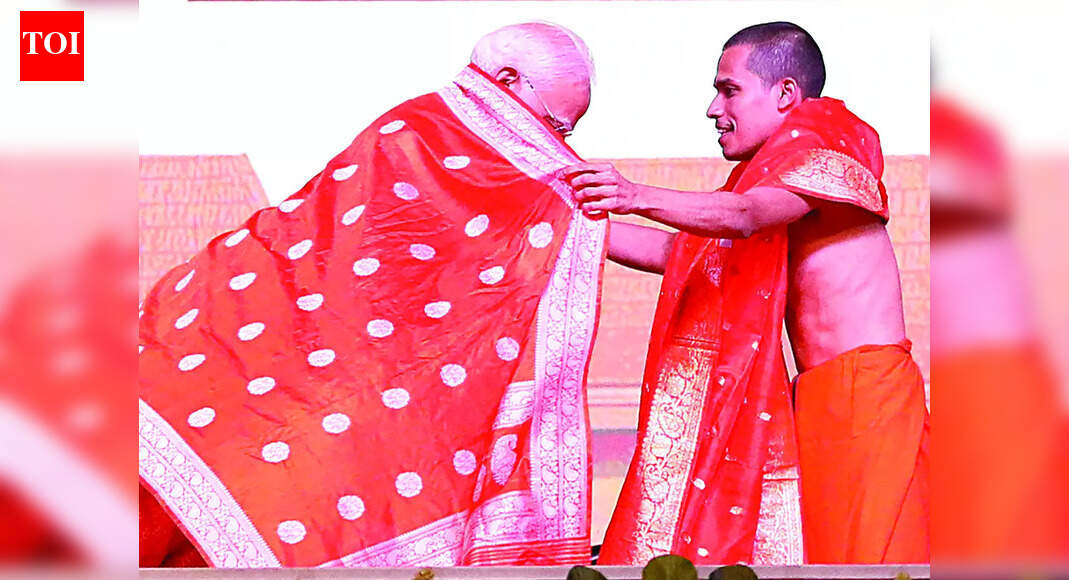
During the event, Prime Minister Modi unveiled a 77-foot-high bronze statue of Lord Ram, a significant cultural and spiritual symbol for many in India. His visit to the Shree Ram Mandir within the mutt, accompanied by Chief Minister Sawant and Governor Pusapati Ashok Raghupathy Raju, underscored the importance of spirituality in governance and community life.
Modi’s interaction with the swami provided an opportunity to learn about the mutt’s history and ongoing renovation projects, reinforcing the connection between spiritual leadership and national development.
Conclusion
Note: The emphasis on spiritual discipline as a catalyst for national progress highlights the intertwined nature of spirituality and governance in India. As leaders like Modi continue to draw inspiration from spiritual practices, the potential for achieving ambitious national goals becomes increasingly intertwined with cultural and spiritual heritage.
Frequently Asked Questions
The Chaturmas vrat is a four-month period during the rainy season when many Hindus observe fasting and other spiritual practices. It is believed to purify the soul and foster spiritual growth.
Spirituality in leadership often inspires ethical governance, promotes cultural values, and fosters a sense of community among citizens, which can lead to more holistic national development.
Goa has historically been a significant political hub for various parties, including the BJP. Its strategic location and cultural heritage make it an important state for political gatherings and decision-making.