Hola Mohalla: A 2026 Guide to the Sikh Festival
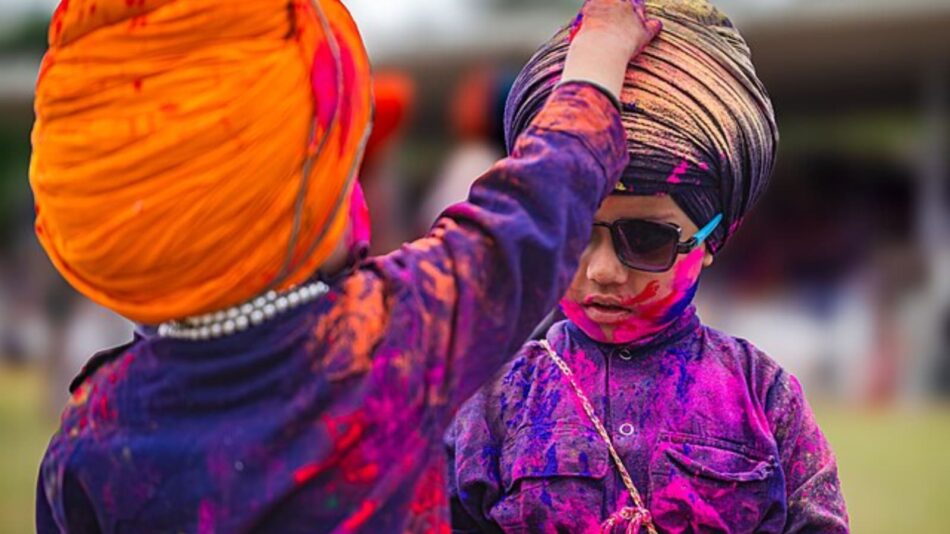
Hola Mohalla is a vibrant and significant festival celebrated by the Sikh community, showcasing their rich cultural heritage and martial traditions. This annual event, held a day after Holi, serves as a powerful reminder of faith, bravery, and unity among Sikhs.
Established by Guru Gobind Singh in 1701, Hola Mohalla has evolved into a grand celebration that emphasizes community spirit, discipline, and the warrior ethos of the Sikh people. This guide provides insights into the festival’s history, key celebrations, and its overarching themes.
Continue Reading
Historical Background
Hola Mohalla was founded by Guru Gobind Singh at Anandpur Sahib, Punjab, as a platform for Sikhs to practice military exercises and mock battles. The festival was designed to instill a sense of preparedness and resilience within the community, ensuring that they remained strong in the face of adversity.
Significance of the Festival
The name “Hola Mohalla” combines “Hola,” derived from “Holi,” and “Mohalla,” which refers to a military procession. Unlike the playful nature of Holi, Hola Mohalla emphasizes discipline, strength, and the warrior spirit. It serves as a reminder of the Sikh community’s historical struggles and victories.
Core Themes
- Chardi Kala: This central theme translates to ever-rising spirits or eternal optimism, embodying the resilience and positivity of the Sikh community.
- Courage and Discipline: The festival highlights the importance of martial skills and physical fitness, encouraging Sikhs to remain vigilant and prepared.
- Community and Service: Hola Mohalla promotes values of equality, selfless service (seva), and togetherness, fostering a strong sense of community among participants.
Celebrations at Anandpur Sahib
The largest and most important celebrations occur in Anandpur Sahib, where thousands of devotees gather each year. The festivities feature grand processions, religious ceremonies, and martial performances that draw visitors from around the world.
Highlights of the Festival
- Gatka Displays: One of the festival’s main attractions is Gatka, the traditional Sikh martial art. Skilled practitioners perform mock combat, sword fighting, and horseback stunts, showcasing their agility and bravery.
- Langar: In keeping with Sikh values, large-scale community kitchens serve free meals to thousands of visitors. Volunteers work tirelessly to reflect the spirit of equality and selfless service.
- Religious Ceremonies: The festival includes various religious rituals and prayers that reinforce the spiritual significance of Hola Mohalla.
Cultural Impact
Over time, Hola Mohalla has grown into a major cultural and religious event that reinforces Sikh identity, history, and unity. It stands as a testament to the community’s warrior heritage and enduring values of faith, courage, and service.
Frequently Asked Questions
Hola Mohalla was established by Guru Gobind Singh in 1701 as a way for Sikhs to practice martial skills and maintain their readiness for defense.
The festival is celebrated with grand processions, Gatka performances, religious ceremonies, and community meals (langar) at Anandpur Sahib and other locations.
Chardi Kala translates to ever-rising spirits, representing the resilience and positivity of the Sikh community in the face of challenges.
Note: Hola Mohalla is not just a festival; it is a celebration of Sikh identity, emphasizing courage, community, and the spirit of service that defines the Sikh way of life.