‘Bhakti knows no boundaries’: Mathura-Vrindavan Temples Oppose Muslim Boycott Calls
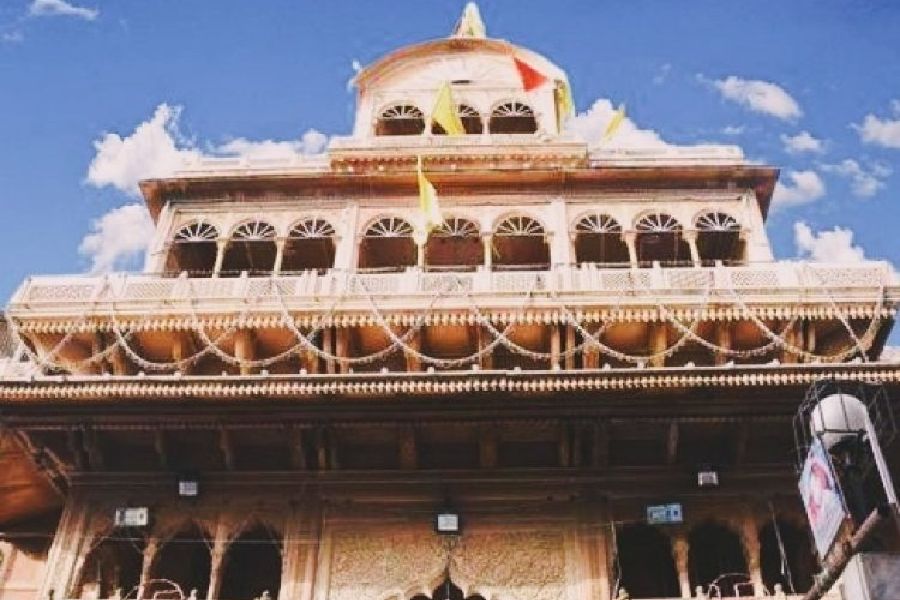
The temples of Mathura and Vrindavan, pivotal centers of Hindu devotion, have recently voiced their strong opposition to calls for boycotting Muslims from participating in religious activities. This movement, which has gained traction on social media, has been met with significant backlash from temple authorities and devotees alike.
In a region known for its rich spiritual heritage and inclusivity, the temples emphasize that devotion transcends religious boundaries, advocating for unity and harmony among all faiths.
Continue Reading
The Context of the Boycott Calls
In recent months, certain factions have called for a boycott of Muslims in Mathura and Vrindavan, citing various socio-political grievances. These calls have sparked heated debates within the community, raising concerns about the implications for communal harmony.
The temples, which have historically been places of worship for all, have found themselves at the center of this controversy. Leaders from various temple committees have come together to issue statements underscoring the importance of inclusivity in spiritual practices.
Statements from Temple Authorities
Prominent temple authorities have reiterated that the essence of ‘Bhakti’ (devotion) is rooted in love and acceptance. They argue that the call for a boycott contradicts the fundamental teachings of Hinduism, which emphasizes compassion and respect for all beings.
- Inclusivity in Worship: Temples are open to all, regardless of their religious background.
- Historical Precedents: Mathura and Vrindavan have a long history of interfaith interactions.
- Spiritual Unity: The core message of devotion transcends communal divisions.
Community Reactions
The response from the local community has been varied. While some support the boycott calls, a significant portion of the population stands firmly against them. Many residents have taken to social media to express their views, emphasizing the need for unity in diversity.
Local leaders have organized meetings to discuss the implications of such divisive rhetoric, aiming to foster dialogue and understanding among different religious groups.
Positive Initiatives for Interfaith Dialogue
In light of the recent tensions, several initiatives have emerged to promote interfaith dialogue and understanding. These initiatives include:
- Interfaith Prayer Meetings: Regular gatherings where individuals from different faiths come together to pray and share their beliefs.
- Cultural Exchange Programs: Events that showcase the rich cultural heritage of both Hindu and Muslim communities.
- Workshops on Tolerance: Educational programs aimed at promoting tolerance and understanding among youth.
The Role of Social Media
Social media has played a significant role in both promoting and opposing the boycott calls. While it has been a platform for those advocating for division, it has also allowed many to voice their dissent and support for communal harmony.
Hashtags promoting unity have gained traction, with many users sharing stories of interfaith friendships and collaborations. This digital movement has the potential to reshape narratives and foster a more inclusive environment.
Legal and Political Implications
The calls for a boycott have raised legal and political concerns. Authorities are monitoring the situation closely, as any form of communal unrest could lead to serious repercussions. Legal experts warn that promoting boycotts based on religion may violate laws regarding discrimination and hate speech.
Political leaders from various parties have also weighed in, calling for restraint and emphasizing the importance of maintaining peace and order in the region.
Conclusion
The ongoing situation in Mathura and Vrindavan serves as a reminder of the delicate balance between faith and community. The temples’ stance against the boycott calls highlights a commitment to preserving the sanctity of devotion and the importance of inclusivity.
As the community navigates these challenges, the hope remains that love and understanding will prevail over division.
Frequently Asked Questions
The boycott calls have arisen from socio-political grievances within the community, leading to a push for exclusion based on religious identity.
Temple authorities have strongly opposed the boycott, emphasizing the values of inclusivity and the essence of devotion that transcends religious boundaries.
Initiatives include interfaith prayer meetings, cultural exchange programs, and workshops aimed at promoting tolerance and understanding among different communities.
Note: The situation in Mathura and Vrindavan highlights the importance of unity and understanding in a diverse society. It is essential to foster dialogue and promote inclusivity to maintain communal harmony.