Ramappa Temple Goes Global with Miss World Contestants Visit
Today, the Ramappa Temple, a UNESCO World Heritage Site, is buzzing with excitement as it welcomes the Miss World contestants, adding a modern sparkle to its ancient splendor. Nestled in the serene village of Palampet, just 66 km from Warangal and 209 km from Hyderabad, this 13th-century Hindu temple stands as a testament to the architectural genius of the Kakatiya dynasty.
Known for its unique style and intricate artistry, Ramappa Temple attracts visitors from all over the world, who come to marvel at its cultural and historical grandeur. This article explores the architectural marvel, cultural significance, and the reasons why the Ramappa Temple is a must-visit destination.
Continue Reading
An Architectural Marvel of the Kakatiya Dynasty
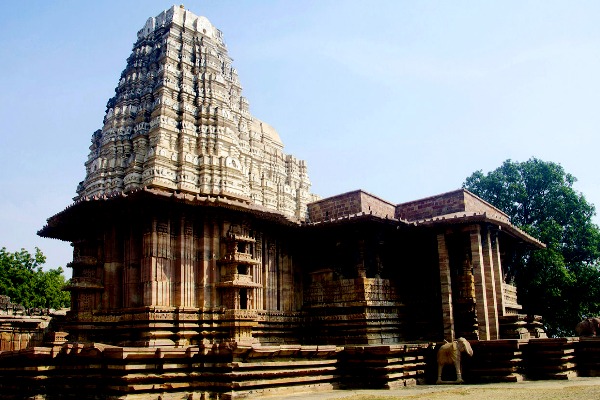
Built between 1212 and 1234 CE during the reign of King Ganapati Deva, the Ramappa Temple is a fine example of Kakatiya architecture, influenced by the Kalyana Chalukyan style. The temple is famous for its:
- Vesara and Bhumija Elements: These architectural styles contribute to the temple’s unique design.
- Trikuta Layout: The temple features three shrines (Ramappa, Kateshwara, and Kameshwara) standing on a star-shaped platform.
- Floating Bricks: A unique engineering technique that reduces the weight of the roof.
- Stunning Carvings: Intricate carvings in granite and dolerite enhance the temple’s beauty.
Sculptures That Tell Stories
Ramappa Temple is home to over 600 detailed sculptures, including graceful figures of dancers (Madanikas), mythological animals, and scenes from the Shiva Purana. Each figure tells a story from the temple’s rich cultural heritage, showcasing the artistic brilliance of the Kakatiya craftsmen. The sculptures often depict:
- Regional dance forms
- Rituals and ceremonies
- Mythological tales
These artistic works stand as a vivid reflection of the cultural vibrancy of the era.
Cultural and Spiritual Significance
The temple is not only a historical site but also an important center for worship, particularly during the grand Maha Shivaratri festival. Visitors experience not just its beauty but the living spirituality of the place. Marco Polo, the famed traveler, once described it as “the brightest star in the galaxy of temples,” a fitting tribute to its grandeur and spiritual aura.
A Site That Continues to Inspire
Having been restored over the years, especially in the early 20th century with the help of the 7th Nizam of Hyderabad and Dr. Ghulam Yazdani, the Ramappa Temple now stands under the care of the Archaeological Survey of India. Its architectural and engineering feats continue to amaze visitors and scholars alike, including:
- Earthquake-Resistant Sandbox Foundation: A remarkable engineering solution ensuring the temple’s longevity.
- Pyramidal Vimana: A light yet strong structure that adds to the temple’s aesthetic appeal.
Why Visit Ramappa Temple?
The Ramappa Temple offers several compelling reasons for visitors:
- Architectural Genius: The use of floating bricks and earthquake-resistant techniques highlights advanced medieval engineering.
- Cultural Treasure: The temple’s sculptures and carvings are a masterful representation of local dance traditions and rituals.
- UNESCO Recognition: A well-deserved recognition as a UNESCO World Heritage Site, making it an essential stop for those interested in India’s rich cultural legacy.
Frequently Asked Questions
The Ramappa Temple is a significant example of Kakatiya architecture, showcasing the artistic and engineering prowess of the dynasty during the 13th century.
The temple was recognized for its unique architectural features, historical importance, and the intricate artistry that reflects the cultural heritage of India.
Main attractions include the three shrines, intricate sculptures, and the unique floating bricks used in its construction, which highlight advanced engineering techniques.
Note: The Ramappa Temple stands as a masterpiece of Kakatiya architecture, showcasing the region’s artistic excellence, engineering prowess, and spiritual depth. It is a must-visit for history enthusiasts, spiritual seekers, and anyone captivated by India’s ancient grandeur.