Maha Shivaratri 2026: More Than a Million Visit Pashupatinath Temple
Maha Shivaratri, a significant festival dedicated to Lord Shiva, is celebrated with immense fervor across Nepal and India. In 2026, this auspicious occasion is expected to draw over a million devotees to the Pashupatinath Temple, one of the most revered Shiva temples in the world.
The temple, located in Kathmandu, Nepal, will be adorned with flowers and lights, creating a vibrant atmosphere for the thousands who will gather to honor Lord Shiva. This article explores the significance of Maha Shivaratri, the preparations at Pashupatinath Temple, and the broader celebrations across the region.
Continue Reading
The Significance of Maha Shivaratri
Maha Shivaratri, which translates to “the Great Night of Shiva,” is observed annually in honor of Lord Shiva. Unlike many Hindu festivals that are characterized by joy and celebration, Maha Shivaratri is a time for introspection and spiritual growth. Devotees engage in various rituals and practices aimed at seeking Lord Shiva’s blessings and reflecting on their lives.
The festival is observed on the 14th night of the new moon in the month of Phalguna, which typically falls in February or March. In 2026, Maha Shivaratri is celebrated on February 15. The day is marked by fasting, night vigils, and special prayers, with devotees often staying awake throughout the night to participate in rituals and recite mantras.
Preparations at Pashupatinath Temple
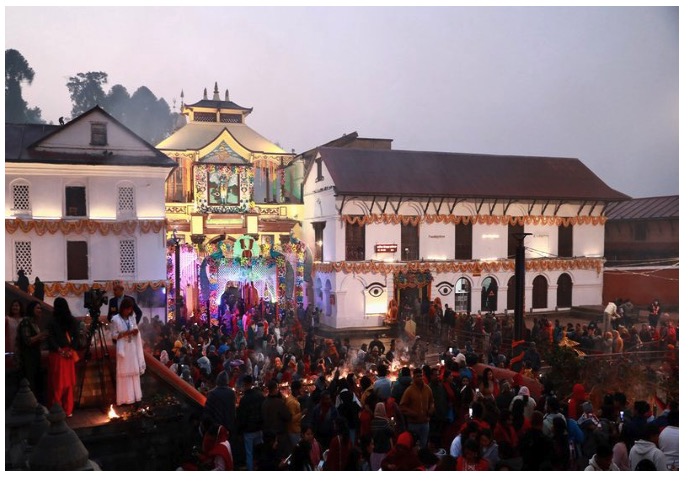
Pashupatinath Temple, a UNESCO World Heritage Site, is the focal point of Maha Shivaratri celebrations in Nepal. The temple is dedicated to Lord Pashupatinath, a manifestation of Shiva, and attracts pilgrims from around the globe. This year, the Pashupati Development Trust (PADT) has made extensive preparations to accommodate the influx of visitors.
- Decorations: The temple and its surrounding areas will be adorned with garlands of marigolds and other flowers. Electric lights have been installed to illuminate the premises, creating a festive ambiance.
- Artwork: The PADT is funding the painting and artwork of Lord Shiva and Parvati on the vacant walls of the Pashupatinath area, enhancing the spiritual atmosphere.
- Security and Facilities: With the expected increase in visitors, security measures have been heightened, and additional facilities are being provided to ensure a safe and comfortable experience for all attendees.
Devotee Participation
The number of saints and sadhus arriving in the Pashupati area is anticipated to be significant this year. Many sadhus from various regions, including neighboring India, travel to participate in the festivities. Their presence adds to the spiritual ambiance of the temple and provides a unique opportunity for devotees to seek blessings and guidance.
Devotees from all walks of life will gather at Pashupatinath Temple to offer prayers, perform rituals, and engage in communal celebrations. The atmosphere is expected to be one of devotion and reverence, with participants engaging in various activities throughout the day and night.
Celebrations Across Nepal and India
While Pashupatinath Temple serves as the epicenter of Maha Shivaratri celebrations in Nepal, numerous Shiva temples across the country and in India will also witness large gatherings. Each region has its own customs and traditions associated with the festival, contributing to a rich tapestry of celebrations.
- Morning Rituals: In some areas, devotees begin their day with special prayers and offerings at dawn.
- Night Vigils: Many devotees organize pujas and jagrans at night, staying awake to honor Lord Shiva.
- Fasting: Observing a full day fast is a common practice, with devotees consuming only after bathing the next day, symbolizing their dedication and determination.
Conclusion
Maha Shivaratri is a profound occasion that transcends mere celebration; it is a time for self-reflection and spiritual growth. The gathering of over a million devotees at Pashupatinath Temple in 2026 exemplifies the festival’s significance in the lives of many. As people come together to honor Lord Shiva, they engage in practices that foster personal development and communal harmony.
Frequently Asked Questions
Maha Shivaratri is a Hindu festival dedicated to Lord Shiva, observed for self-reflection and spiritual growth. It is marked by fasting, night vigils, and prayers.
The temple is decorated with flowers and lights, and artwork of Lord Shiva and Parvati is created to enhance the spiritual atmosphere. Security and facilities are also improved to accommodate visitors.
Customs include morning rituals, night vigils, and fasting. Devotees often stay awake throughout the night to honor Lord Shiva and participate in communal celebrations.
Note: Maha Shivaratri is a time for reflection and devotion, bringing together millions in a shared spiritual experience.