Billions Bleeding, Temples Blamed: How Malaysia’s Moral Compass Was Turned Upside Down
In recent years, Malaysia has faced a moral crisis that appears to overshadow the real issues plaguing the nation. While the government grapples with rampant corruption and significant economic losses, public attention has been diverted to trivial matters, such as the existence of a small temple.
This article explores the alarming financial leakages that Malaysia suffers annually, the misplaced outrage directed at religious structures, and the urgent need for a shift in focus towards genuine national issues.
Continue Reading
The Scale of Financial Losses in Malaysia
According to the Malaysian Anti-Corruption Commission (MACC), the country has lost an estimated RM277 billion due to corruption between 2018 and 2023. This staggering figure translates to around RM55 billion lost each year, highlighting a systemic issue that demands immediate attention.
Moreover, a separate study indicates that total losses from leakages and misappropriation could reach up to RM4.5 trillion from 1997 to 2022. This is a clear indication of a culture of impunity that has taken root over decades.
Impact of Smuggling and Illegal Activities
Smuggling and black-market activities further exacerbate the financial crisis in Malaysia. The Finance Ministry reported a loss of RM1.85 billion in tax revenue over five years due to contraband cigarette and liquor smuggling. The illicit cigarette market alone costs Malaysia around RM5 billion in lost taxes annually, with illegal brands dominating more than half of the market.
In addition, illegal fishing practices in Malaysian waters lead to an estimated loss of RM3 billion to RM6 billion each year, with around 980,000 tons of seafood being stolen annually. These losses not only affect the economy but also threaten food security for Malaysian citizens.
The Real Harms vs. Misplaced Outrage
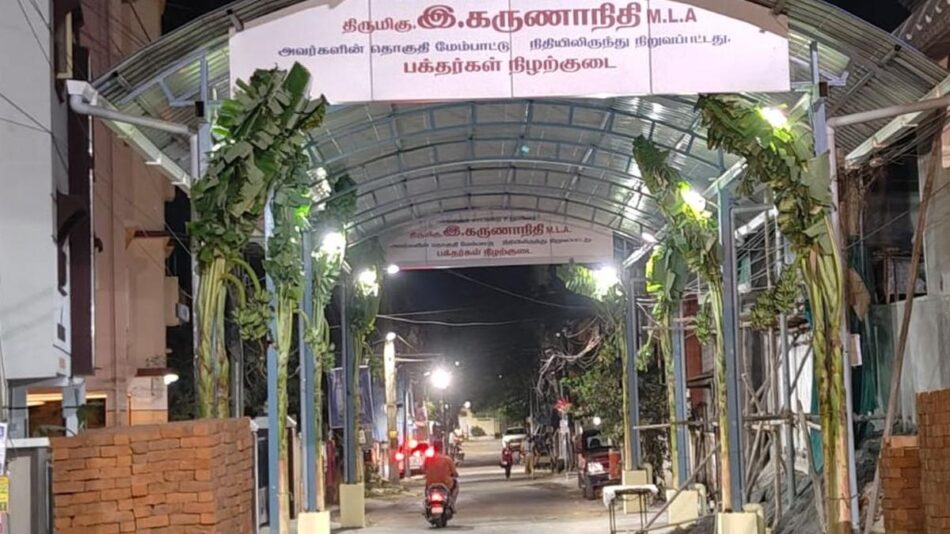
While Malaysia grapples with significant economic challenges, public outrage has been disproportionately directed at a small temple, which has no measurable impact on the nation’s GDP or public welfare. This misplaced focus distracts from the real issues that threaten the country’s future.
Illegal logging, unregulated fishing, and the proliferation of unlicensed factories pose severe risks to Malaysia’s environment and public health. For instance, illegal fishing alone costs the nation billions and contributes to the depletion of marine resources.
Political Inaction and Selective Outrage
Despite the alarming statistics presented by the MACC and other agencies, political leaders have chosen to focus their attention on minor issues, such as the existence of a temple. This selective outrage not only undermines public trust but also diverts resources and attention away from pressing national concerns.
When faced with the reality of billions lost to corruption and illegal activities, the response from political leaders should be one of urgency and action. Instead, we witness a performance of moral indignation directed at a structure that poses no real threat to society.
Conclusion
It is crucial for Malaysia to reevaluate its priorities and redirect its moral compass towards the genuine threats facing the nation. The focus should shift from trivial disputes to addressing the systemic issues of corruption, smuggling, and environmental degradation. Only then can Malaysia hope to restore its integrity and secure a prosperous future for its citizens.
Frequently Asked Questions
The primary causes of financial loss in Malaysia include corruption, smuggling, illegal fishing, and unregulated industrial practices. These activities result in significant revenue leakages and undermine the nation’s economic stability.
Corruption leads to substantial financial losses, estimated at RM277 billion between 2018 and 2023. This not only affects the country’s GDP but also erodes public trust and hampers development efforts.
To address these issues, Malaysia needs to implement stricter anti-corruption measures, enhance enforcement against smuggling and illegal activities, and prioritize environmental protection. A shift in public focus towards these pressing concerns is essential for national recovery.
Note: The moral compass of a nation should reflect its values and priorities. It is time for Malaysia to focus on the real issues that threaten its future.