A Vivid Chronicle of the Iconic Sri Ponnambalawaneshwarar Temple
The Sri Ponnambalawaneshwarar Temple in Colombo stands as a testament to the rich cultural heritage and spiritual significance of Hinduism in Sri Lanka. Dedicated to Lord Shiva, the temple is not only a place of worship but also a historical monument that reflects the evolution of Hindu worship practices.
This article delves into the temple’s history, architectural beauty, and the vibrant rituals that take place within its sacred walls, offering a comprehensive overview of its importance in the Hindu community.
Continue Reading
Historical Background
The worship of Lord Shiva has deep roots in Sri Lanka, tracing back to the legendary King Ravana, who was known as an ardent devotee of Shiva. The Sri Ponnambalawaneshwarar Temple is one of the prominent Hindu temples in the country, alongside Thiruketheeswaram in the North and Thirukoneswaram in the East.
The temple’s history is rich and layered, reflecting the evolution of Hindu worship from ancient times when deities were worshipped in natural settings like trees and caves, to the establishment of structured temples made from wood and later, stone.
Architectural Significance
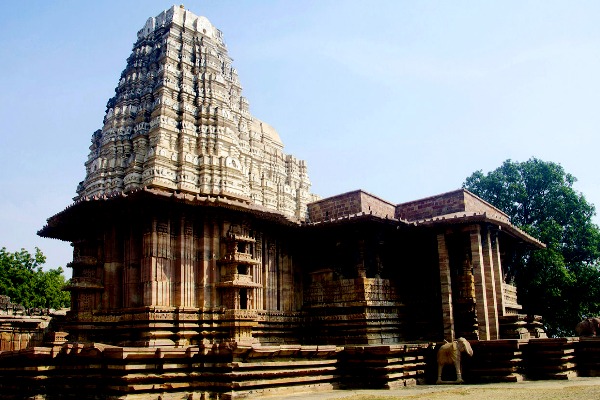
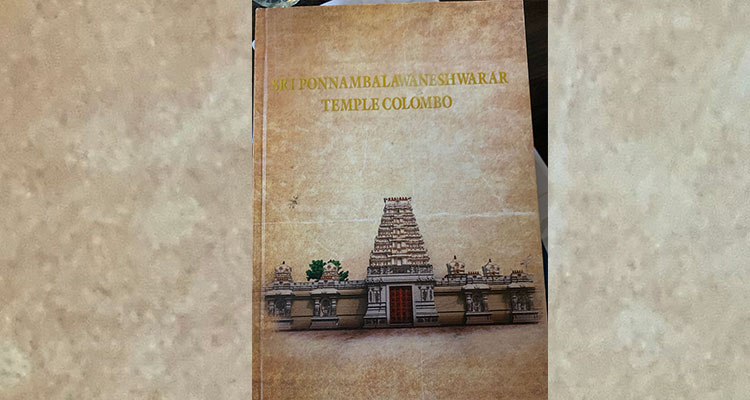
The Sri Ponnambalawaneshwarar Temple is a remarkable example of South Indian Dravidian architecture, characterized by intricate sculptures and vibrant colors. It is unique as it is the only Hindu temple in Sri Lanka built with granite in recent history.
- Granite Structure: The use of granite not only adds to the durability of the temple but also enhances its aesthetic appeal.
- Sculptural Nuances: The temple features detailed carvings that depict various aspects of Hindu culture and traditions.
- Colorful Imagery: The temple’s vibrant colors and artistic designs make it a visual treat for visitors.
Rituals and Celebrations
The temple is renowned for its vibrant rituals and celebrations that attract devotees from all walks of life. Among the key events are:
- Nithya Utsavams: Daily rituals that celebrate the divine presence of Lord Shiva.
- Nimithya Utsavams: Occasional festivals that mark significant dates in the Hindu calendar.
- Guru Pooja: An important event that commemorates the death anniversary of four Saiva Saints.
- Mahotsavams: Annual grand celebrations that draw large crowds and feature elaborate processions.
One of the most notable events is the Chariot Festival, where the deities are paraded through the streets in a grand chariot, symbolizing the connection between the divine and the human heart.
The Philosophy Behind Lord Nataraja
The temple also explores the philosophy of Lord Nataraja, particularly his 108 Thandava Karanas, which represent the cosmic cycles of creation and destruction. This aspect of worship emphasizes the dynamic nature of the universe and the role of Shiva as both creator and destroyer.
Conclusion
The Sri Ponnambalawaneshwarar Temple is more than just a place of worship; it is a cultural landmark that embodies the spiritual and historical essence of Hinduism in Sri Lanka. With its stunning architecture, rich traditions, and vibrant celebrations, the temple continues to be a focal point for the Hindu community, preserving the legacy of Lord Shiva for generations to come.
Frequently Asked Questions
The temple is significant as it represents the rich cultural heritage of Hinduism in Sri Lanka and serves as a major site for worship dedicated to Lord Shiva.
The temple is built in the South Indian Dravidian architectural style, characterized by intricate sculptures and vibrant colors.
The main festivals include Nithya Utsavams, Nimithya Utsavams, Guru Pooja, and the annual Mahotsavams, each celebrating different aspects of Hindu worship.
Note: The Sri Ponnambalawaneshwarar Temple not only serves as a spiritual haven but also as a vital link to the cultural and historical narrative of Hinduism in Sri Lanka.