Ayodhya Temple Trust to Preserve Ram Lalla’s Makeshift Tent & Throne as Memorials
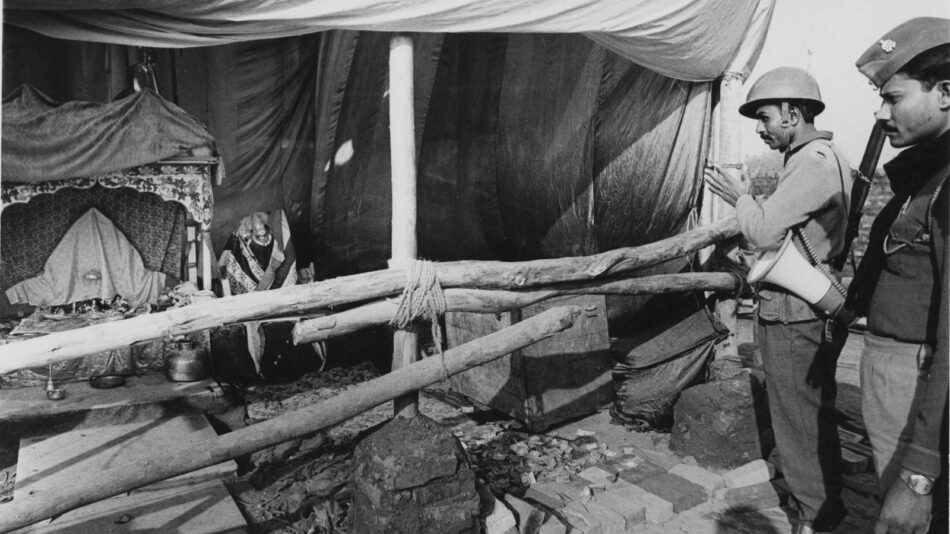
The Ram Janmabhoomi Teertha Khestra Trust has announced plans to preserve the makeshift tent and throne of Ram Lalla, which have significant historical and cultural importance. This decision aims to honor the decades-long struggle for the Ram Temple in Ayodhya.
As the temple complex nears completion, the Trust is also prioritizing environmental conservation by developing over half of the area as green space, showcasing a commitment to sustainability alongside cultural heritage.
Continue Reading
Significance of the Makeshift Tent and Throne
The makeshift tent, which housed Ram Lalla for 30 years, and the throne, which has been in use since 1949, are set to be preserved as memorials. This initiative is intended to educate future generations about the historical context of the Ram Temple and the struggles faced during its establishment.
Nripendra Misra, the chairman of the construction committee, emphasized the importance of these artifacts in narrating the temple’s history. He stated, “These memorials will serve as a reminder of our heritage and the efforts taken to establish the Ram Temple.” The preservation of these items is part of a broader strategy to ensure that the story of the temple’s construction is not forgotten.
Current Status of Temple Construction
As of now, the Ram Temple is progressing with various construction phases. The Trust has set a deadline of June 30 for the completion of all works within the temple complex. Key developments include:
- Completion of the parkota, which is the rectangular compound wall surrounding the temple.
- Installation of a lift within the parkota for better accessibility.
- Construction of a bridge to connect the parkota with the western side of the temple.
- Installation of lightening arresters on the temple’s shikhar to protect against lightning damage.
- Preparation for a consecration ceremony for the installation of Ram Darbar on the first floor of the temple.
The Trust is also planning to conduct another consecration ceremony for the installation of Ram Darbar, where Ram will be depicted in the form of a king, enhancing the spiritual experience for visitors.
Environmental Initiatives
In addition to preserving cultural heritage, the Trust is committed to environmental sustainability. More than half of the Ram Temple complex will be developed as green space, which includes:
- Gardens and fruit-bearing plants.
- Shade-giving trees, likely to be named “Panchvati.”
- Implementation of a zero-discharge policy to prevent pollution in Ayodhya.
According to Nripendra Mishra, a dedicated group has been assigned the responsibility of developing and maintaining these gardens, ensuring that the environmental aspects of the complex are upheld for years to come.
Future Plans and Community Engagement
The Trust is also focusing on engaging the community and pilgrims through various initiatives. By preserving the makeshift tent and throne, the Trust aims to foster a deeper connection between visitors and the historical significance of the temple. Plans for educational programs and guided tours are being considered to enhance visitor experience.
Frequently Asked Questions
The preservation of Ram Lalla’s makeshift tent and throne serves to educate future generations about the historical struggles and cultural significance of the Ram Temple. It acts as a memorial to the decades-long efforts to establish the temple.
The Ram Temple is on track for completion by June 30, with significant developments including the construction of the parkota, installation of a lift, and preparation for a consecration ceremony for Ram Darbar.
The Trust is developing over half of the temple complex as green space, implementing a zero-discharge policy, and allocating land for gardens and shade-giving plants to promote environmental conservation.
Note: The preservation of cultural heritage and commitment to environmental sustainability are key aspects of the Ram Temple project, reflecting a holistic approach to development in Ayodhya.