Controversy Surrounds Madras High Court Judge’s Remarks on Spiritual Gurus
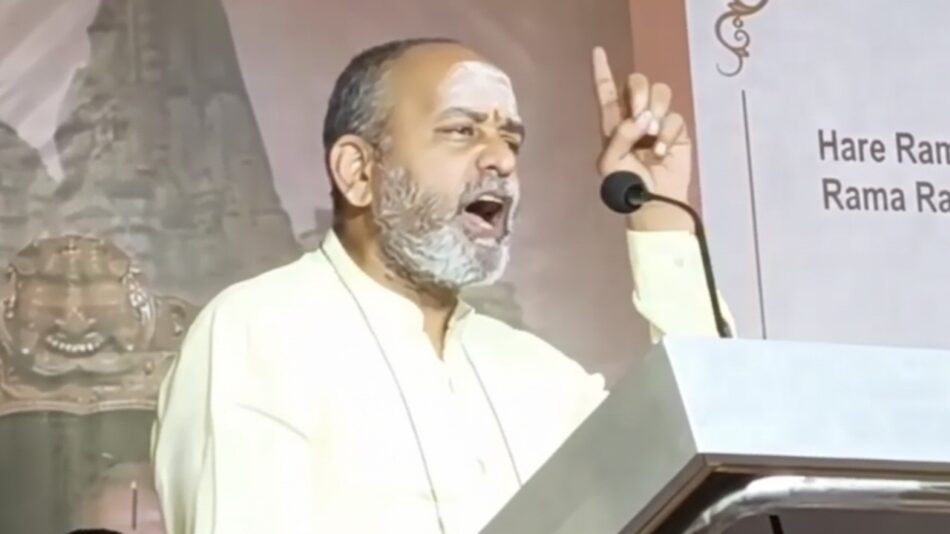
The remarks made by Justice GR Swaminathan of the Madras High Court have ignited a significant controversy. At a recent public event, he labeled those who do not believe in spiritual gurus as “rascals, fools, and barbarians.” This statement has drawn both support and criticism, highlighting the ongoing debate about the intersection of personal beliefs and judicial impartiality.
Justice Swaminathan’s comments come amid an impeachment motion moved against him, raising questions about the role of personal faith in the judiciary. His statements reflect a broader cultural discourse in Tamil Nadu regarding spirituality and rationalism.
Continue Reading
Background of the Controversy
Justice GR Swaminathan’s comments were made during an event organized by a spiritual organization in Tamil Nadu. He expressed his belief in the significance of spiritual gurus, stating, “In Tamil Nadu, some people call themselves ‘rationalists’. They call us rascals, fools, and barbarians because we see the Guru as a form of God. I say that those who say so are rascals, fools, and barbarians.” This statement has polarized opinions among the public and legal experts alike.
Impeachment Motion Against Justice Swaminathan
Following his controversial remarks, an impeachment motion was introduced against Justice Swaminathan by over 100 Members of Parliament. The motion accuses him of bias and a lack of impartiality, claiming that his statements and decisions violate the secular principles of the judiciary. The motion specifically references his directive to light a ceremonial lamp at a historic dargah, which some state officials viewed as inappropriate.
Public Reactions
The public response to Justice Swaminathan’s comments has been mixed:
- Supporters: Some individuals and groups resonate with his views, arguing that spiritual guidance is essential in contemporary society.
- Critics: Many rationalists and secular advocates have condemned his statements, asserting that they undermine the secular fabric of the Indian judiciary.
The Role of Spirituality in Modern Society
Justice Swaminathan has emphasized the importance of spiritual guidance, particularly during challenging times. He mentioned his interactions with spiritual leaders and the concept of a spiritual “aura,” which he believes can help individuals overcome personal challenges. His assertion raises questions about how spirituality can coexist with rationalism in today’s society.
Key Points on Spirituality and Rationalism
- Spirituality can provide comfort and guidance during difficult times.
- Rationalism promotes critical thinking and skepticism towards unverified beliefs.
- The balance between spiritual beliefs and rational thought is a subject of ongoing debate.
Judicial Independence and Personal Beliefs
Justice Swaminathan’s remarks have reignited discussions about the independence of the judiciary and the influence of personal beliefs on judicial decisions. Critics argue that his statements blur the lines between personal faith and judicial duty, potentially compromising the impartiality expected from a judge.
Historical Context
This is not the first time Justice Swaminathan has faced scrutiny for his comments. He has previously stated that “if we protect the Vedas, the Vedas will protect us,” which raised alarms about prioritizing religious texts over constitutional values. Such statements have led to concerns about the potential impact on judicial decisions and the secular nature of the Indian legal system.
Frequently Asked Questions
Justice Swaminathan referred to those who do not believe in spiritual gurus as “rascals, fools, and barbarians” during a public event.
The impeachment motion was introduced due to concerns over his perceived bias and lack of impartiality, particularly regarding his comments and a directive to light a ceremonial lamp at a historic dargah.
His remarks highlight the ongoing debate between spirituality and rationalism in Tamil Nadu, raising questions about the role of personal beliefs in public life and the judiciary.
Conclusion
Note: The controversy surrounding Justice Swaminathan underscores the complexities of balancing personal beliefs with judicial responsibilities. As society continues to evolve, the dialogue between spirituality and rationalism remains crucial in shaping public discourse.