Death Is an Illusion: Jeffrey Armstrong Explains Moksha & Human Immortality
- Understanding moksha as a state of awareness rather than an afterlife can transform one’s approach to life.
- Recognizing the illusion of death can lead to greater clarity, freedom, and purpose in daily living.
- Embracing ancient wisdom allows individuals to transcend fear and realize their true immortal nature.
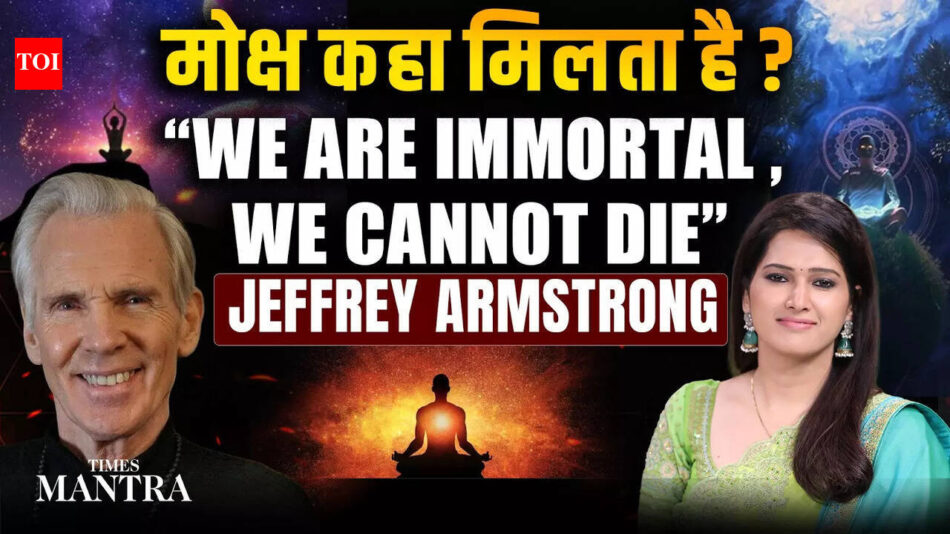
Jeffrey Armstrong presents a compelling perspective on the concept of death, challenging the traditional view that moksha is a state achieved only after physical demise. His insights are rooted in ancient Indian philosophy, where he argues that our essence is not confined to the physical body but is, in fact, an immortal consciousness.
This article explores how understanding moksha can reshape our perception of life and death, highlighting the importance of self-realization and the dissolution of the fear surrounding mortality.
Continue Reading
The Concept of Moksha
Moksha, often translated as liberation or emancipation, is a central tenet in various Indian philosophies. It represents the ultimate goal of human existence, transcending the cycle of birth and rebirth (samsara). Jeffrey Armstrong emphasizes that moksha is not merely a distant goal but a state of consciousness that can be realized in this very life.
Understanding Immortality
Armstrong asserts that the fear of death stems from a misunderstanding of our true nature. He posits that we are not mortal beings but rather immortal souls experiencing a temporary physical existence. This perspective encourages individuals to shift their focus from the fear of death to the pursuit of self-awareness and enlightenment.
Death as a Transition
In many spiritual traditions, death is viewed as a transition rather than an end. Armstrong explains that this transition is a natural part of the cycle of life. By embracing this understanding, individuals can cultivate a sense of peace and acceptance regarding their mortality.
Practical Implications of Understanding Death
Recognizing death as an illusion can have profound implications for how we live our lives. Here are some practical insights:
- Living with Purpose: Understanding that life is fleeting encourages individuals to pursue their passions and live authentically.
- Reducing Fear: By realizing that death is not the end, individuals can alleviate the anxiety associated with it.
- Enhancing Relationships: Embracing the present moment fosters deeper connections with others, as we prioritize meaningful interactions.
The Role of Self-Realization
Self-realization is a crucial aspect of Armstrong’s teachings. He emphasizes that true understanding of oneself leads to the dissolution of fear and the realization of one’s divine nature. This journey requires introspection and a willingness to explore the depths of consciousness.
Steps to Achieve Self-Realization
- Mindfulness Practice: Engage in meditation and mindfulness to cultivate awareness of the present moment.
- Study Ancient Texts: Delve into the wisdom of ancient Indian scriptures to gain insights into the nature of reality.
- Seek Guidance: Find a mentor or spiritual teacher who can provide direction on the path to self-discovery.
The Intersection of Spiritual Science and Human Experience
Armstrong’s insights bridge the gap between spiritual science and everyday human experience. He encourages individuals to explore their consciousness through both personal experience and ancient wisdom, fostering a deeper understanding of the self.
Benefits of Embracing Spiritual Science
- Holistic Well-being: Integrating spiritual practices into daily life can enhance mental, emotional, and physical health.
- Community Connection: Engaging with like-minded individuals fosters a sense of belonging and support.
- Empowerment: Understanding one’s immortal nature empowers individuals to take control of their lives and choices.
Conclusion
Jeffrey Armstrong’s perspective on death and moksha challenges conventional beliefs, inviting individuals to explore their true nature as immortal beings. By understanding that death is merely a transition and embracing self-realization, we can live with greater clarity and purpose.
Note: Provide a strategic conclusion reinforcing long-term business impact and keyword relevance.
Frequently Asked Questions
Moksha is the liberation from the cycle of birth and rebirth, representing a state of eternal bliss and self-realization.
It allows individuals to live more fully, reducing fear and encouraging a focus on meaningful experiences and relationships.
Mindfulness, study of ancient texts, and seeking guidance from spiritual teachers are effective practices for achieving self-realization.