Playing Holi with Pyre Ashes at Kashi’s Mokshatirtha Manikarnika Ghat
- Experience the unique cultural fusion of life and death during Holi celebrations at Manikarnika Ghat.
- Understand the significance of pyre ashes in the context of Kashi’s spiritual heritage.
- Explore the participation of locals and tourists in this extraordinary festival.
- Learn about the rituals and traditions that make this event a profound spiritual experience.
The vibrant city of Varanasi, also known as Kashi, is renowned for its rich spiritual heritage and unique traditions. One of the most captivating events is the celebration of Holi with pyre ashes at the Mokshatirtha Manikarnika Ghat. This event, which takes place the day after Rangbhari Ekadashi, draws thousands of participants who celebrate life and death in a truly unique manner.
This celebration is not just a festival; it is a profound spiritual experience that reflects the beliefs of the local community. The Holi of pyre ashes symbolizes the acceptance of life and death, showcasing the deep-rooted cultural values of Kashi.
Continue Reading
The Significance of Manikarnika Ghat
Manikarnika Ghat is one of the most sacred cremation grounds in Varanasi, where the cycle of life and death is embraced with reverence. The ghat serves as a place for the final rites of the deceased, and it is believed that those cremated here attain moksha, or liberation from the cycle of rebirth. This belief underpins the unique Holi celebration, where pyre ashes are used in place of traditional colors.
Celebration of Holi with Pyre Ashes
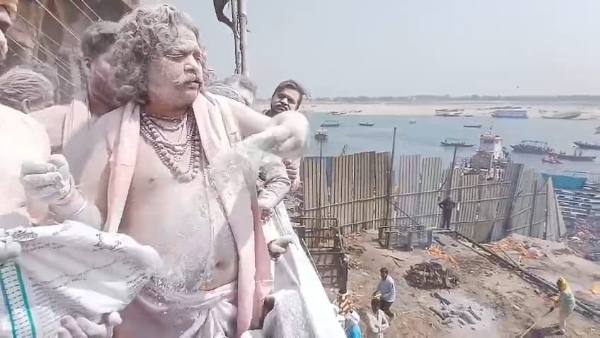
The Holi celebration at Manikarnika Ghat is marked by the enthusiastic participation of locals, sadhus, and tourists alike. The event begins with a formal midday aarti at the Baba Mahamashaneshwar Mahadev Temple, led by local administrators. Following the aarti, participants gather to offer pyre ashes, abir, and gulal to the idol of Baba Mahashmashannath, chanting “Har Har Mahadev” amidst the rhythmic beats of drums.
Youths dance joyfully among the burning pyres, embodying the spirit of the festival. The song “Khelen Masane Mein Hori Digambar” resonates through the air, enhancing the celebratory atmosphere. This unique blend of joy and solemnity highlights the acceptance of death as part of life, a core tenet of Kashi’s cultural identity.
Rituals and Traditions
Prior to the Holi festivities, the community engages in various rituals that reinforce the spiritual significance of the event. The ashes from the pyres symbolize the transient nature of life, serving as a reminder of mortality and the importance of spiritual liberation. This perspective is deeply embedded in the practices of the local populace.
During the celebration, participants also pay homage to the spirits of their ancestors, acknowledging the interconnectedness of the living and the dead. This ritualistic acknowledgment fosters a sense of community, where everyone comes together to celebrate their shared beliefs and traditions.
Community and Tourism
The Holi of pyre ashes not only attracts local residents but also draws a significant number of domestic and international tourists. Visitors are captivated by the unique cultural experience, capturing the essence of the celebration through photography and video. The vibrant atmosphere, combined with the profound spiritual undertones, creates a memorable experience for all involved.
Despite the ongoing construction work at the ghat, which limits space for devotees, the enthusiasm remains undeterred. The juxtaposition of a line of bodies waiting for cremation alongside a crowd of celebrants chanting and dancing illustrates the complex relationship between life and death in Kashi.
Conclusion
The Holi of pyre ashes at Manikarnika Ghat is a remarkable event that encapsulates the essence of Kashi’s spiritual heritage. It serves as a powerful reminder of the acceptance of life and death, showcasing the community’s deep-rooted beliefs and traditions. This unique celebration not only reinforces the cultural identity of Varanasi but also invites participants to reflect on the eternal truths of existence.
Frequently Asked Questions
The Holi celebration with pyre ashes symbolizes the acceptance of life and death, reflecting Kashi’s cultural and spiritual heritage. It highlights the belief that those cremated at Manikarnika Ghat attain moksha.
Locals participate by offering pyre ashes, abir, and gulal to the idol of Baba Mahashmashannath, chanting “Har Har Mahadev,” and engaging in traditional dances amidst the pyres.
Tourists are drawn to the unique cultural experience, capturing the celebration through photography and engaging with the local community, thus enriching the overall atmosphere of the event.
Note: Provide a strategic conclusion reinforcing long-term business impact and keyword relevance.