The Neglected Interface of Hinduism and Its Foundation
- Understanding the role of the Bhakti movement in challenging caste hierarchies.
- Exploring how devotional poetry served as a tool for social change and spiritual engagement.
- Recognizing the significance of Tamil literature in shaping Hindu spirituality.
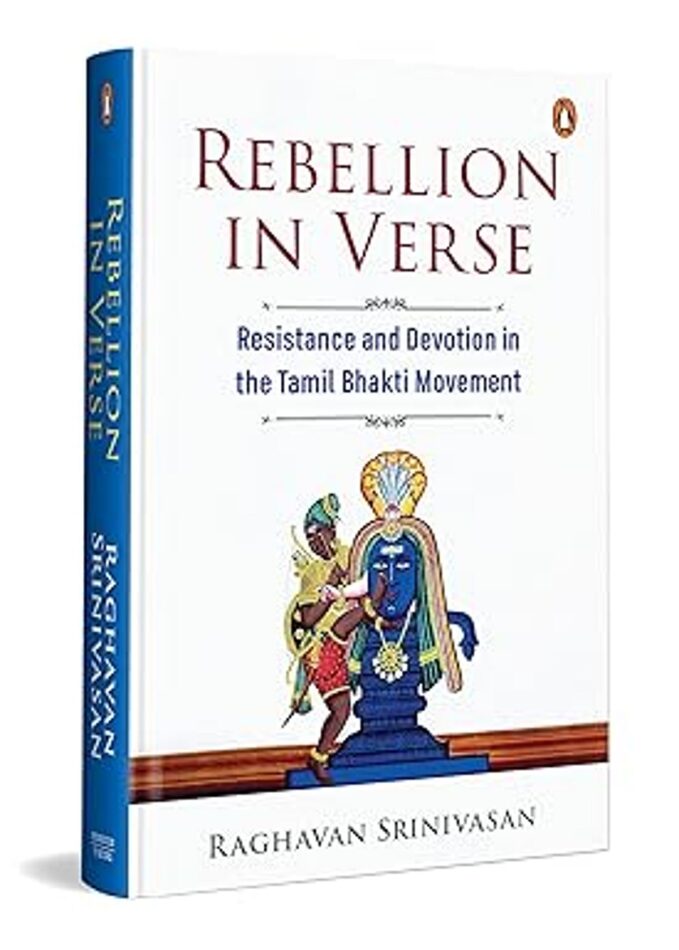
The intersection of spirituality and social justice within Hinduism has often been overlooked. In his book, ‘Rebellion in Verse,’ Raghavan Srinivasan delves into the transformative power of the Bhakti movement, emphasizing its role in redefining spiritual practices and challenging entrenched social norms.
This exploration is vital as it highlights a crucial aspect of Hinduism that promotes inclusivity and challenges the status quo, making it relevant in contemporary discussions about social equity and religious expression.
Continue Reading
Introduction to the Bhakti Movement
The Bhakti movement emerged as a significant force within Hinduism, advocating for personal devotion over ritualistic practices. It arose during a time when caste oppression was deeply institutionalized, and its proponents sought to dismantle the rigid social hierarchies that dominated Indian society.
Srinivasan’s work emphasizes that the movement was not merely a religious phenomenon but a confluence of various philosophical traditions, including influences from Buddhism, Jainism, and Ajivika philosophies. This pluralistic approach allowed the Bhakti movement to resonate across different social strata, making spirituality accessible to all.
Historical Context and Social Dynamics
Historically, India has been characterized by complex social structures, where caste and religion often dictated one’s social standing and opportunities. The upper castes monopolized resources and power, systematically marginalizing lower-caste communities. This reality has shaped the socio-political landscape of the nation.
However, the Bhakti movement presented an alternative narrative. By promoting devotion as a personal and direct experience, it challenged the established norms and provided a platform for spiritual defiance. The saints of the Bhakti movement, through their poetry and teachings, became catalysts for social change.
Devotional Poetry as a Medium of Resistance
The poetry of Bhakti saints played a pivotal role in reshaping religious expression. By writing in Tamil, they made spiritual insights accessible to the common people, transcending the barriers imposed by Sanskrit and Brahminical authority. This linguistic choice was not merely practical; it was a statement of inclusivity.
Saints such as the twelve Alwars and the sixty-three Nayanars created a rich tapestry of devotional literature that emphasized emotional engagement with the divine. Their works conveyed complex spiritual themes such as love, grief, and joy, allowing individuals to connect with their faith on a personal level.
The Impact of Tamil Literature
The Tamil epics, including ‘Silappathikaram,’ ‘Manimekalai,’ and ‘Seevaga Chintamoni,’ served as foundational texts for the Bhakti movement. These works not only celebrated human emotions but also reinforced the idea that devotion is an experiential practice rather than a dogmatic adherence to scripture.
Through these narratives, the Bhakti movement encouraged individuals to engage with their spirituality directly, bypassing the need for intermediaries. This democratization of access to the divine was revolutionary, fostering a sense of equality among devotees.
Challenges and Transformations
As Tamilakam underwent urbanization, social divisions based on class and caste became more pronounced. The Bhakti movement, however, continued to advocate for a spiritual consciousness that transcended these divisions. It emphasized the importance of personal devotion and direct engagement with the divine.
Srinivasan argues that the Bhakti movement’s legacy lies in its ability to challenge the existing order and promote a more egalitarian spiritual landscape. The movement’s emphasis on inclusivity and personal experience remains relevant in contemporary discussions surrounding social justice and religious pluralism.
Conclusion
The Bhakti movement represents a crucial interface between spirituality and social justice within Hinduism. By challenging caste hierarchies and promoting personal devotion, it laid the groundwork for a more inclusive understanding of faith. Raghavan Srinivasan’s exploration of this movement highlights its transformative potential and its ongoing relevance in today’s society.
Note: Provide a strategic conclusion reinforcing long-term business impact and keyword relevance.
Frequently Asked Questions
The Bhakti movement is significant as it challenged caste hierarchies and promoted personal devotion, making spirituality accessible to all, regardless of social standing.
Tamil literature provided a rich cultural framework for the Bhakti movement, emphasizing emotional engagement and direct connection with the divine through accessible language.
Devotional poetry served as a medium of resistance against established norms, allowing individuals to express their spirituality and challenge social hierarchies through accessible and relatable narratives.