Bangladesh Election Results Expose Misinformation and Allegations of Genocide Against Hindus
The recent election results in Bangladesh have sparked a significant discussion regarding the misinformation surrounding the nation and the allegations of genocide against its Hindu population. As Bangladesh transitions to a new leadership under Prime Minister Tarique Rahman, the implications of these developments extend beyond its borders, particularly in the context of India-Bangladesh relations.
This article delves into the dynamics of the recent elections, the political landscape in Bangladesh, and the role of misinformation in shaping perceptions about the country, especially concerning its minority communities.
Continue Reading
Understanding the Election Results
The elections held in February 2026 marked a pivotal moment in Bangladesh’s political history. Tarique Rahman, leader of the Bangladesh Nationalist Party (BNP), emerged victorious, securing a two-thirds majority in the parliament. This victory comes after a long period of political turmoil and exile, as Rahman returned from London after 17 years, having faced numerous corruption charges under the previous regime.
The recent elections saw a voter turnout of approximately 60%, a significant increase compared to the 40% turnout in the previous elections, which were widely criticized as fraudulent. The peaceful conduct of the elections has been hailed as a testament to the democratic process in Bangladesh.
The Role of Misinformation
In the lead-up to the elections, a flood of misinformation targeted Bangladesh, particularly regarding the treatment of its Hindu population. Allegations of genocide against Hindus have circulated widely, often fueled by political motives and external influences. This misinformation not only distorts the reality of the situation in Bangladesh but also impacts international perceptions and diplomatic relations.
Key points regarding the misinformation campaign include:
- Distortion of facts regarding the treatment of minorities in Bangladesh.
- Use of sensationalist narratives to garner international attention and support.
- Political agendas driving the spread of false information, particularly from opposition parties.
Political Implications for Bangladesh
The election of Tarique Rahman signals a potential shift in Bangladesh’s political landscape. His administration is expected to focus on rebuilding relationships with neighboring countries, especially India. Recent diplomatic engagements indicate a willingness to foster cooperation and mutual respect.
Rahman’s government faces several challenges, including:
- Restoring public trust in the political system.
- Addressing the allegations of corruption against previous administrations.
- Countering misinformation and rebuilding the country’s image internationally.
India-Bangladesh Relations
The relationship between India and Bangladesh has been complex, influenced by historical ties and contemporary political dynamics. The recent elections have prompted a reevaluation of this relationship, with Indian officials expressing support for the new government.
Key developments in India-Bangladesh relations include:
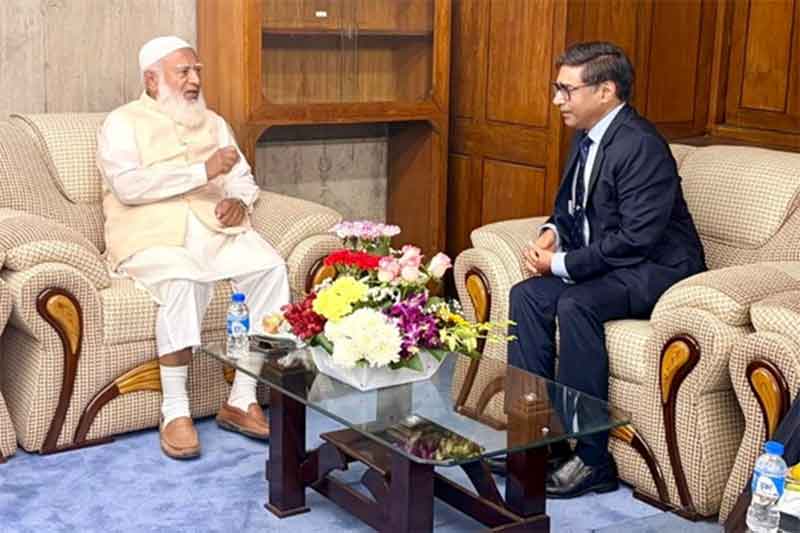
- Indian Foreign Secretary Vikram Misri’s meeting with Jamaat-e-Islami leaders, indicating a nuanced diplomatic approach.
- Prime Minister Narendra Modi’s congratulatory message to Tarique Rahman, emphasizing the importance of bilateral ties.
- Concerns over the impact of misinformation on diplomatic relations and regional stability.
Frequently Asked Questions
Tarique Rahman and the Bangladesh Nationalist Party (BNP) won a two-thirds majority, marking a significant political shift after years of turmoil.
Misinformation regarding the treatment of Hindus and other minorities has distorted international perceptions, complicating diplomatic relations.
The new government must restore public trust, address corruption allegations, and counter misinformation to rebuild the country’s image.
Note: The recent elections in Bangladesh signify a crucial turning point, highlighting the need for accurate information and constructive dialogue to foster a stable political environment and improve international relations.