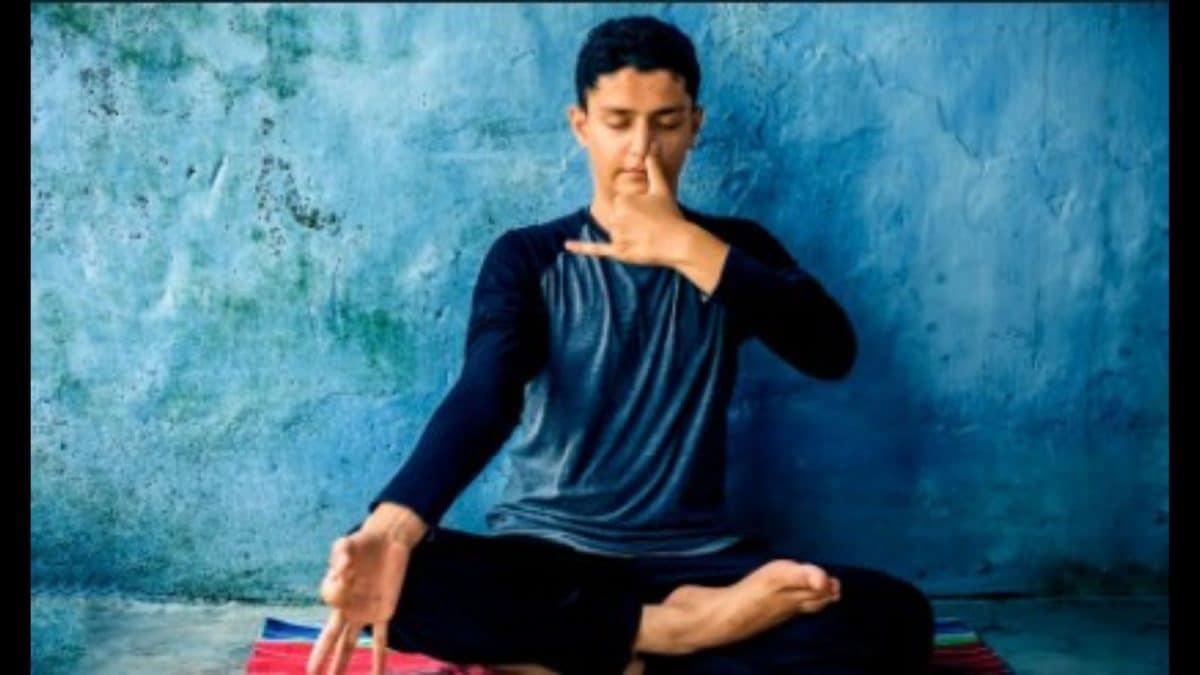
Effect of Bhramari Pranayama and OM Chanting on Pulmonary Function in Healthy Individuals: A Prospective Randomized Control Trial
- Understanding the impact of Bhramari pranayama on lung function can enhance respiratory health strategies.
- OM chanting may serve as an effective complementary practice for improving pulmonary function.
- Implementing these techniques can lead to measurable improvements in respiratory metrics.
- Future research could expand on these findings to explore long-term benefits.
The practice of pranayama, particularly Bhramari pranayama, and OM chanting has gained attention for its potential health benefits, especially concerning pulmonary function. This article explores a randomized control trial that investigates the effects of these techniques on healthy individuals.
Understanding how these practices influence respiratory health can provide valuable insights for both practitioners and researchers. As the demand for holistic health approaches grows, this study offers promising data on integrating traditional practices into modern health regimens.
Continue Reading
Introduction
Respiratory health is crucial for overall well-being, and various techniques have been explored to enhance lung function. Among these, Bhramari pranayama, a yogic breathing technique, and OM chanting, a vocal practice, have emerged as potential interventions. This study aims to evaluate their effects on pulmonary function in healthy individuals.
Study Design
This prospective randomized control trial involved a sample of healthy participants who were divided into two groups. One group practiced Bhramari pranayama, while the other engaged in OM chanting. The trial was conducted over a specified period, with pulmonary function tests administered before and after the intervention.
Participants
The study recruited individuals aged 18 to 50, ensuring they had no pre-existing respiratory conditions. Participants were selected based on their willingness to engage in the practices and their ability to commit to the study duration.
Intervention
Participants in the Bhramari group practiced the technique for 15 minutes daily, focusing on the humming sound produced during exhalation. The OM chanting group also practiced for 15 minutes, emphasizing the vibrational quality of the sound. Both groups were instructed to maintain a consistent practice throughout the trial.
Methods
To assess the impact of the interventions, pulmonary function was measured using spirometry. Key metrics included Forced Vital Capacity (FVC), Forced Expiratory Volume in 1 second (FEV1), and Peak Expiratory Flow Rate (PEFR). These measurements were taken at baseline and after the intervention period.
Data Analysis
The data collected were analyzed using appropriate statistical methods to determine the significance of changes in pulmonary function between the two groups. A p-value of less than 0.05 was considered statistically significant.
Results
The results indicated that both Bhramari pranayama and OM chanting had positive effects on pulmonary function. Participants in both groups showed significant improvements in FVC and FEV1 compared to baseline measurements.
Comparison of Groups
While both techniques yielded beneficial outcomes, the Bhramari group exhibited slightly greater improvements in lung function metrics. This suggests that the specific mechanics of Bhramari pranayama may offer enhanced respiratory benefits.
Discussion
The findings of this study support the integration of Bhramari pranayama and OM chanting into respiratory health practices. The improvements in pulmonary function metrics underscore the potential of these techniques as non-invasive interventions for enhancing lung health.
Moreover, the study highlights the importance of breath control and sound vibration in promoting respiratory efficiency. These practices not only improve lung function but also contribute to overall well-being, including stress reduction and enhanced mental clarity.
Practical Implications
Healthcare practitioners can consider recommending these techniques to patients seeking to improve their respiratory health. Incorporating Bhramari pranayama and OM chanting into wellness programs may provide a holistic approach to managing respiratory conditions.
Conclusion
This randomized control trial demonstrates the positive effects of Bhramari pranayama and OM chanting on pulmonary function in healthy individuals. As more individuals seek alternative and complementary health practices, these findings contribute valuable insights into the efficacy of traditional techniques in modern healthcare.
Note: Provide a strategic conclusion reinforcing long-term business impact and keyword relevance.
Frequently Asked Questions
Bhramari pranayama is a yogic breathing technique that involves producing a humming sound during exhalation, which is believed to help calm the mind and enhance respiratory function.
OM chanting utilizes sound vibrations that can improve lung capacity and efficiency, contributing to better overall respiratory health.
Yes, both Bhramari pranayama and OM chanting can be easily integrated into daily routines, requiring only a short time commitment each day for significant health benefits.