Tamil Bhakti Movement: The Legacy of Nammalwar and His Hymns to Vishnu
- Nammalwar composed over a thousand hymns, significantly shaping the Tamil Bhakti movement.
- His work, Tiruvaymoli, is a cornerstone of Vaishnavite literature.
- The organization of his verses reflects both deep devotion and literary mastery.
- His hymns critique human pride while emphasizing the importance of divine connection.
The Tamil Bhakti movement, which flourished in southern India, was a significant spiritual and cultural renaissance. At its heart lies the figure of Nammalwar, an 8th-century poet whose profound hymns to Vishnu resonate with themes of devotion, philosophy, and spirituality.
Nammalwar’s contributions are not merely poetic; they represent a pivotal shift in the religious landscape of the time, emphasizing personal devotion over ritualistic practices. His hymns continue to inspire generations, establishing a legacy that intertwines spirituality with Tamil culture.
Continue Reading
The Life of Nammalwar
Nammalwar, born into a peasant caste known as Vellala, emerged during the latter half of the 8th century in Alwartirunagari, near Tirunelveli. His life story is steeped in legend, beginning with his miraculous birth, which was said to be an answer to his parents’ prayers. However, his early years were marked by unusual behavior; he refused to feed and remained unresponsive to external stimuli.
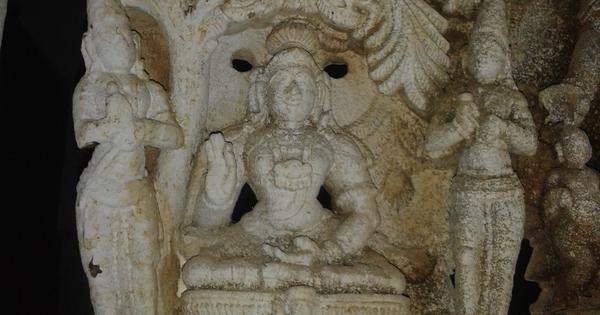
In a desperate act, his parents left him at a local temple dedicated to Vishnu. Miraculously, he found refuge in a nearby tamarind tree, where he entered a deep meditative state for 16 years. This period of profound introspection laid the foundation for his later works.
The Awakening and Compositions
The turning point in Nammalwar’s life came when a poet named Madurakavi noticed a radiant light emanating from the southern sky, guiding him to the meditative boy. Despite several attempts to awaken Nammalwar, it was only through a clever riddle that Madurakavi succeeded. Upon awakening, Nammalwar began composing hymns, pouring forth his spiritual insights and experiences into over a thousand verses dedicated to Vishnu.
The Tiruvaymoli
Among Nammalwar’s works, the Tiruvaymoli stands out as his magnum opus. This collection consists of 1102 verses, structured in a meticulous format that reflects both his literary prowess and spiritual depth. The verses are organized into groups known as Tiruvaymolis, with each group containing eleven hymns, except for one group that has thirteen. This structure not only showcases his devotion but also his mastery of Tamil literature.
The Tiruvaymoli has been described as an “ocean of the Tamil Veda,” where the philosophical depths of the Upanishads converge. Each pasuram (hymn) explores personal emotions intertwined with universal spiritual truths, creating a rich tapestry of devotion and philosophy.
Thematic Elements in Nammalwar’s Hymns
Central to Nammalwar’s hymns is a critique of human vanity and the transient nature of material wealth. In one notable verse, he questions the value of composing hymns for “frail humans” who are consumed by their self-importance and ephemeral riches. Instead, he redirects attention to the eternal, emphasizing the significance of devotion to the divine.
This theme resonates throughout the Tiruvaymoli, where Nammalwar employs vivid imagery, such as fertile fields and abundant ponds, to symbolize divine sustenance. This stark contrast between the barrenness of human arrogance and the richness of spiritual connection serves as a powerful reminder of the core values of the Bhakti movement.
The Impact of Nammalwar’s Work
Nammalwar’s influence transcends his time, as his hymns laid the groundwork for later Vaishnava poetic traditions. In the 10th century, Nathamuni sought to compile the works of the twelve Alwars, including Nammalwar. His efforts were instrumental in preserving these sacred texts, which continue to be recited and revered in contemporary times.
Through his hymns, Nammalwar not only shaped the spiritual landscape of his era but also inspired future thinkers and poets, including renowned figures like Chaitanya and Tagore. His legacy endures as a testament to the power of devotion and the transformative nature of spiritual expression.
Conclusion
Nammalwar’s contributions to the Tamil Bhakti movement exemplify the profound impact of poetry on spirituality. His hymns, rich in emotional depth and philosophical insight, continue to resonate with devotees and scholars alike. By emphasizing the importance of divine connection over worldly pursuits, Nammalwar’s legacy remains a guiding light in the quest for spiritual fulfillment.
Note: Provide a strategic conclusion reinforcing long-term business impact and keyword relevance.
Frequently Asked Questions
Nammalwar was an 8th-century Tamil poet and saint, known for composing over a thousand hymns dedicated to Vishnu, which form a crucial part of the Tamil Bhakti movement.
The Tiruvaymoli is Nammalwar’s most significant work, consisting of 1102 verses that explore themes of devotion and philosophy, structured into groups of hymns.