HKFP Lens: Alms Giving and Buddhist Devotion in Laotian Village
In the serene landscapes of Laos, the tradition of alms giving remains a profound expression of Buddhist devotion. This practice not only signifies the relationship between the lay community and the monastic order but also highlights the cultural richness of Laotian society.
As the sun rises, villagers engage in this sacred ritual, showcasing their commitment to spiritual practices and community bonding. This article delves into the significance of alms giving in a Laotian village, exploring its cultural, spiritual, and social dimensions.
Continue Reading
The Tradition of Alms Giving
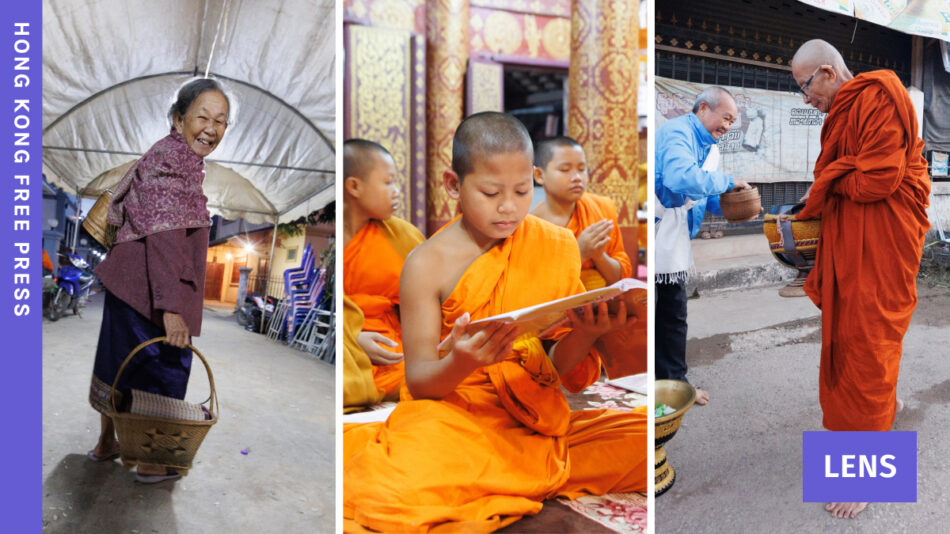
Alms giving, or “tak bat,” is a daily ritual in which Buddhist monks receive food offerings from the local community. This practice is deeply rooted in the teachings of Buddhism, emphasizing generosity, humility, and the interdependence of life.
In Laotian culture, this ritual is not merely a transaction; it is a sacred act that fosters a sense of community and spiritual fulfillment. Villagers rise early, preparing rice and other food items to offer to the monks, who walk silently through the streets, collecting these offerings in their alms bowls.
Cultural Significance
The act of giving alms is steeped in cultural significance. It serves multiple purposes:
- Spiritual Merit: Offering alms is believed to generate merit, which can positively influence one’s future and spiritual journey.
- Community Bonding: The ritual strengthens ties within the village, as families come together to participate in a shared practice.
- Preservation of Tradition: Alms giving is a way to pass down cultural values and religious beliefs to future generations.
The Role of Monks
Monks play a central role in the alms giving tradition. They are not only recipients of the offerings but also spiritual leaders and teachers within the community. Their presence symbolizes the teachings of the Buddha and serves as a reminder of the impermanence of life.
Monks are expected to live a life of simplicity and detachment from material possessions. This lifestyle is reflected in their acceptance of alms, which they view as a means to sustain their monastic life while maintaining humility.
Daily Rituals in a Laotian Village
The daily routine surrounding alms giving in a Laotian village is both structured and serene:
- Preparation: Villagers wake before dawn to prepare food, typically sticky rice, fruits, and other local delicacies.
- Gathering: Families gather outside their homes, often dressed in traditional clothing, waiting for the monks to arrive.
- The Procession: Monks, clad in their saffron robes, walk in a line, silently accepting offerings from each household.
- Gratitude and Blessings: After receiving the alms, monks often chant blessings, which reinforces the spiritual significance of the act.
Challenges Facing the Tradition
Despite its deep-rooted significance, the tradition of alms giving faces several challenges:
- Urbanization: As villages modernize and urban areas expand, the practice of alms giving is at risk of diminishing.
- Tourism Impact: In some regions, the influx of tourists has altered the dynamics of the ritual, leading to commercialization.
- Changing Lifestyles: Younger generations may prioritize modern lifestyles over traditional practices, threatening the continuity of the ritual.
Preserving the Tradition
To ensure the continuation of alms giving, various efforts are being made:
- Community Engagement: Local leaders are working to engage younger villagers in the practice, emphasizing its cultural and spiritual importance.
- Education: Schools are incorporating lessons about Buddhism and local traditions into their curricula, fostering appreciation among youth.
- Responsible Tourism: Initiatives are being developed to promote respectful tourism that honors local customs and supports the community.
Frequently Asked Questions
Alms giving is significant in Buddhism as it embodies the principles of generosity and humility, allowing individuals to accumulate merit and support the monastic community.
Tourists can engage respectfully by observing the ritual without disrupting it, avoiding commercialization, and learning about its cultural significance before participating.
The tradition faces challenges such as urbanization, the impact of tourism, and changing lifestyles among younger generations.
Note: The practice of alms giving in Laos is a vital aspect of the cultural and spiritual landscape, representing the enduring connection between the community and the monastic order.