How Women are Reinterpreting the Menstrual Taboos in Chinese Buddhism
In many cultures and religions, menstruation has historically been viewed as a source of impurity, leading to restrictions on women during this natural process. In Chinese Buddhism, these taboos have been particularly pronounced, with texts like the “Blood Bowl Scripture” depicting dire consequences for menstruating women.
However, as societal norms evolve, women in modern China are beginning to reinterpret these ancient beliefs, transforming the narrative surrounding menstruation and childbirth within the context of their faith. This article explores how these reinterpretations are reshaping the understanding of women’s roles in Buddhism.
Continue Reading
Historical Context of Menstrual Taboos in Buddhism
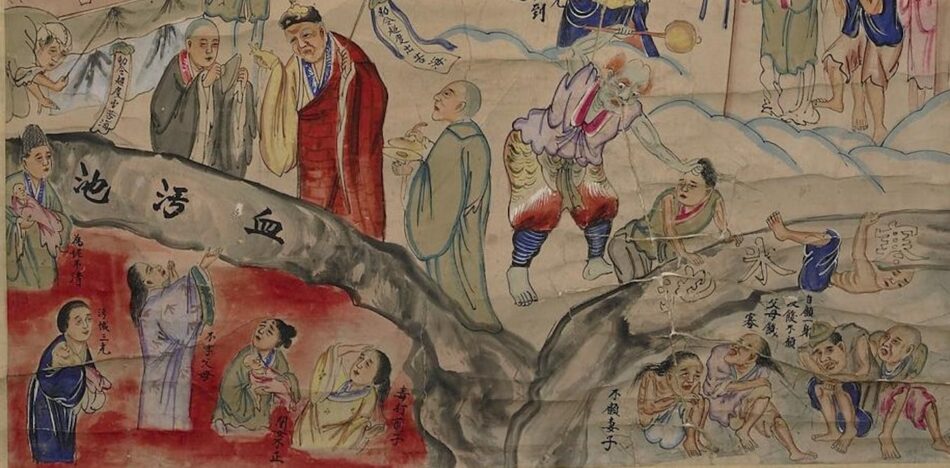
Menstrual taboos are not unique to Buddhism; they can be found in various religions and cultures around the world. In Buddhism, particularly in Chinese traditions, menstruation has been associated with ritual impurity. The “Blood Bowl Scripture,” a text from the 13th century, illustrates this belief, suggesting that menstruating women could face severe karmic repercussions, including rebirth in the “Blood Pond Hell.”
The “Blood Bowl Scripture” and Its Impact
The “Blood Bowl Scripture” narrates a story where a woman, after giving birth, inadvertently pollutes water used for offerings to the gods, resulting in her condemnation to the “Blood Pond Hell.” This narrative has historically contributed to the stigmatization of menstruation and childbirth in Chinese Buddhism.
Despite its origins, many educated Buddhist monks in premodern China dismissed the scripture due to its non-Indian roots. Nevertheless, its influence persisted in popular Buddhism, affecting societal attitudes toward women and their roles in religious practices.
Modern Interpretations and Rituals
In contemporary China, the rigid interpretations of the “Blood Bowl Scripture” are being challenged. Women, particularly those who are menopausal or have completed their childbearing years, are forming religious associations that focus on reciting scriptures and performing rituals aimed at purifying their karma.
- Women participate in rituals to express gratitude towards their mothers.
- They engage in practices that aim to atone for perceived sins associated with childbirth.
- These rituals often take place in community settings, fostering solidarity among women.
Emphasizing Mothers’ Sacrifices
Within these religious associations, there is a growing recognition of the sacrifices mothers make for their children. While traditional scriptures may still depict uterine blood as polluting, modern interpretations emphasize the love and dedication of mothers.
Women reciting scriptures often dedicate their good karma to their mothers, acknowledging both the sacrifices made by mothers and the societal pressures surrounding childbirth.
Reframing the Female Body
Another significant shift in interpretation involves the portrayal of the female body. Some Buddhist texts have historically described women’s bodies with disdain, linking menstruation to karmic punishment. However, contemporary voices, such as Taiwanese nun Venerable Shi Changyin, are reframing these narratives.
Changyin suggests that the negative descriptions of menstruation stem from a lack of understanding of biology. By interpreting “worms” in ancient texts as “bacteria” or “cells,” she encourages a more compassionate view of women’s bodies and their natural processes.
Conclusion
The reinterpretation of menstrual taboos in Chinese Buddhism reflects broader changes in societal attitudes towards women and their roles in spirituality. As women reclaim their narratives, they are not only challenging historical stigmas but also fostering a more inclusive and understanding approach to their faith.
Frequently Asked Questions
The “Blood Bowl Scripture” is a 13th-century Buddhist text that describes the consequences of menstrual pollution, suggesting that women could be condemned to the “Blood Pond Hell” for their natural bodily functions.
Women are forming religious associations to recite scriptures and perform rituals that emphasize gratitude towards mothers and acknowledge the sacrifices made during childbirth, challenging traditional views of menstruation.
Community rituals foster solidarity among women, allowing them to collectively challenge historical stigmas and create a supportive environment for discussing their experiences related to menstruation and motherhood.
Note: The reinterpretation of menstrual taboos in Chinese Buddhism highlights the evolving understanding of women’s roles in spirituality and the importance of community in fostering change.