Makar Sankranti Pooja Vidhi: Step-by-Step Rituals Aligned with 2026 Planetary Transits
Makar Sankranti marks a significant transition in the solar calendar, symbolizing the Sun’s entry into Capricorn. This year, the rituals associated with this festival are particularly meaningful due to the unique planetary alignments of 2026.
As devotees prepare for this auspicious occasion, understanding the detailed pooja vidhi can enhance the spiritual experience and align one’s intentions with the energies of the season.
Continue Reading
Understanding Makar Sankranti
Makar Sankranti is celebrated across India, marking the Sun’s transition into Capricorn, which is ruled by Saturn. This transition signifies a shift from a phase of excitement to one of responsibility and discipline. In 2026, the influence of Saturn is particularly strong, emphasizing the importance of steady growth and commitment.
Preparation for the Pooja
To perform the Makar Sankranti pooja effectively, it is essential to follow a series of rituals that align with the energies of the day. The following steps outline the pooja vidhi:
1. Awakening During Brahma Muhurat
Waking up during Brahma Muhurat, which is around one and a half hours before sunrise, is crucial. This time is considered highly auspicious for spiritual practices, allowing the mind to be calm and receptive.
2. Bathing Ritual
A bath taken during Brahma Muhurat helps cleanse the body and mind. It is recommended to use warm water, possibly infused with sesame seeds or sesame oil, which resonates with Saturn’s grounding energy.
3. Sankalp (Intention Setting)
After bathing, take a moment to sit quietly and set a simple, honest intention for the day. This should reflect a commitment to patience, consistency, and responsibility, aligning with Saturn’s qualities.
4. Offering Water to the Rising Sun
As the sun rises, offer water using a copper vessel. This act symbolizes respect and gratitude towards the Sun, which represents authority and discipline. It is beneficial to chant the Surya Gayatri Mantra during this offering.
5. Lighting a Lamp with Sesame Oil
Lighting a lamp with sesame oil holds special significance this year. It symbolizes strength and perseverance. After lighting the lamp, sit quietly for a few minutes to reflect on your intentions.
6. Naivedya (Food Offering)
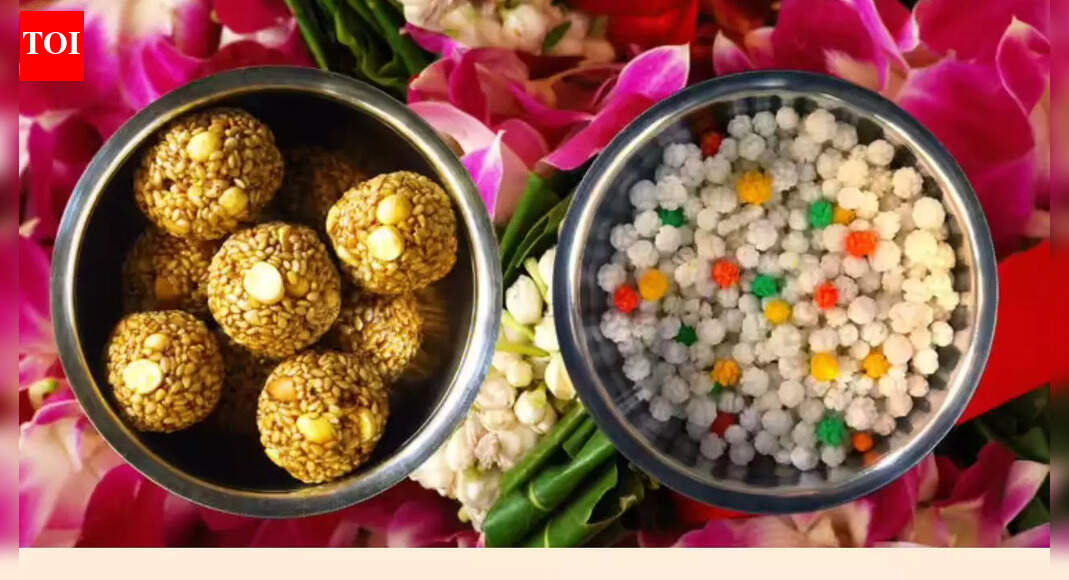
Prepare simple and healthy food offerings, such as sesame, jaggery, rice, or khichdi. The focus should be on the sincerity of the offering rather than the variety or quantity. Sharing this food with family or those in need enhances the ritual’s energy.
7. Daan (Charity)
Concluding the pooja with acts of charity is essential. This year, Saturn encourages giving away useful items such as warm clothing, food grains, or anything related to sesame. The act of giving should be done discreetly to maximize its karmic benefits.
Post-Pooja Reflection
After completing the pooja, take a few moments to sit in silence. Avoid distractions from screens or immediate tasks to allow the energy of the rituals to settle within you.
Conclusion
Engaging in the Makar Sankranti pooja with intention and mindfulness can significantly enhance your spiritual experience. The rituals not only honor the celestial transitions but also set the stage for personal growth and responsibility in the coming year.
Frequently Asked Questions
Makar Sankranti marks the Sun’s transition into Capricorn, symbolizing a shift towards responsibility and discipline, particularly influenced by Saturn.
Key rituals include waking during Brahma Muhurat, bathing, setting intentions, offering water to the Sun, lighting a sesame oil lamp, preparing food offerings, and engaging in charity.
Enhancing your pooja experience can be achieved through mindfulness, sincerity in offerings, and taking time for reflection after the rituals.