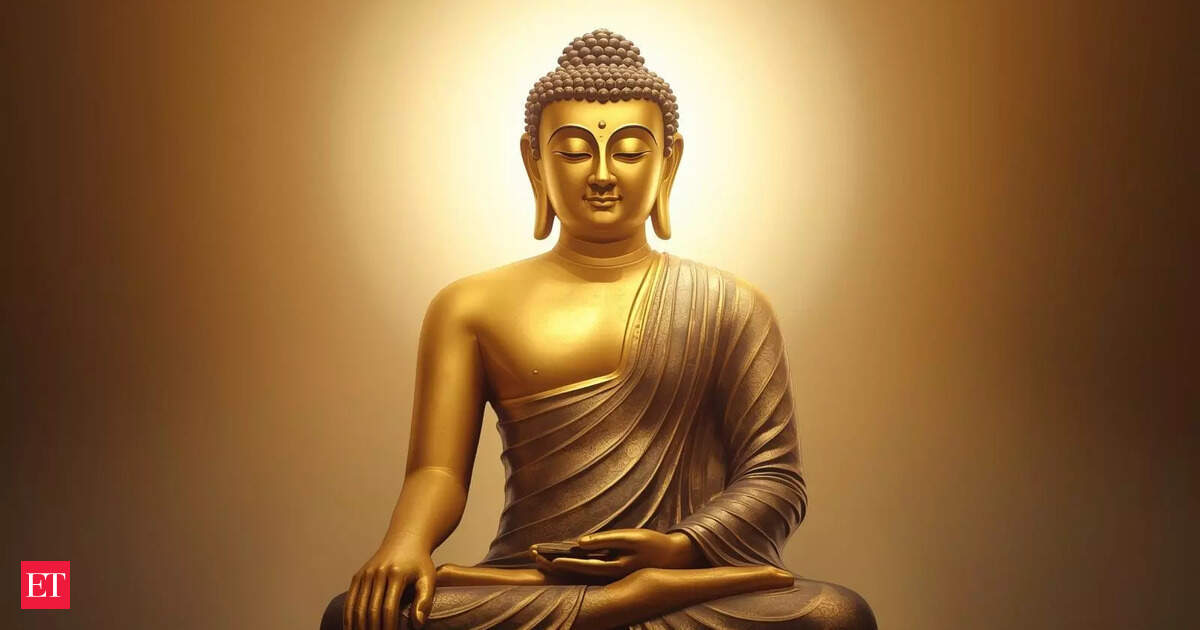
Sacred Devnimori Relics of Lord Buddha Return to India After Historic Exposition in Sri Lanka
- The return of the Devnimori relics signifies a profound cultural and spiritual connection between India and Sri Lanka.
- Strategic partnerships between nations can enhance cultural diplomacy and international relations.
- Investing in heritage preservation can drive tourism and local economies.
- Engagement in religious tourism can foster community growth and global awareness.
The recent return of the Sacred Devnimori relics of Lord Buddha to India marks a significant moment in the cultural and spiritual history of both India and Sri Lanka. This event not only symbolizes the deep-rooted connections between the two nations but also highlights the importance of preserving cultural heritage.
As the relics make their way back to India, they are expected to attract attention from devotees and tourists alike, reinforcing the role of religious tourism in promoting economic growth and cultural exchange. The exposition in Sri Lanka served as a reminder of the shared history and values that bind these two nations.
Continue Reading
Historical Significance of the Devnimori Relics
The Devnimori relics are believed to be a part of the remains of Lord Buddha, making them highly revered among Buddhists. Their historical significance is profound, as they serve as a tangible link to the teachings and life of Buddha, promoting peace, compassion, and mindfulness.
These relics were first discovered in the Devnimori region of India and have since traveled across various countries, including Sri Lanka, where they were displayed in a historic exposition. This event allowed thousands of devotees to pay their respects and learn about the rich history of Buddhism.
The Exposition in Sri Lanka
The exposition held in Sri Lanka was a grand affair, attracting visitors from all over the world. It featured various cultural programs, educational workshops, and discussions on the teachings of Buddhism. The event was organized with the aim of strengthening the cultural ties between India and Sri Lanka.
During the exposition, attendees had the opportunity to engage with monks, scholars, and practitioners of Buddhism. This interaction not only enriched their understanding of Buddhist philosophies but also fostered a sense of community among participants.
Impact on Cultural Diplomacy
The return of the Devnimori relics is a testament to the power of cultural diplomacy. By facilitating the return of these relics, both India and Sri Lanka have demonstrated their commitment to preserving and promoting shared cultural heritage. This act of goodwill can pave the way for enhanced diplomatic relations and cooperation in various fields.
Moreover, such initiatives can lead to collaborative efforts in areas such as tourism, education, and heritage preservation, ultimately benefiting both nations economically and socially.
Economic Implications of Religious Tourism
The return of the relics to India is expected to boost religious tourism significantly. Pilgrims and tourists are likely to visit the sites associated with Lord Buddha, leading to increased economic activity in these areas. This influx of visitors can provide local businesses with opportunities to thrive, from hospitality services to artisanal crafts.
Investing in infrastructure and services to support religious tourism can yield long-term benefits for local communities. By promoting heritage sites and cultural events, governments can create sustainable economic models that leverage the rich history of Buddhism.
Challenges and Risks
While the return of the Devnimori relics presents numerous opportunities, it also comes with challenges. Ensuring the preservation and protection of these relics is paramount. There is a risk of damage or mismanagement if adequate measures are not taken.
Furthermore, the influx of tourists can lead to environmental degradation if not managed properly. It is essential for stakeholders to implement sustainable practices that protect both the relics and the surrounding ecosystems.
Conclusion
The return of the Sacred Devnimori relics to India is more than just a cultural event; it is a reminder of the enduring legacy of Lord Buddha and the importance of preserving our shared heritage. By investing in cultural diplomacy and religious tourism, both India and Sri Lanka can foster growth, understanding, and cooperation.
Note: Provide a strategic conclusion reinforcing long-term business impact and keyword relevance.
Frequently Asked Questions
The Devnimori relics are believed to be remnants of Lord Buddha, highly revered in Buddhist culture and serve as a significant link to his teachings.
The return signifies cultural ties between India and Sri Lanka, promoting heritage preservation and enhancing diplomatic relations.
Religious tourism can boost local economies by increasing visitor numbers, which supports local businesses and creates job opportunities.