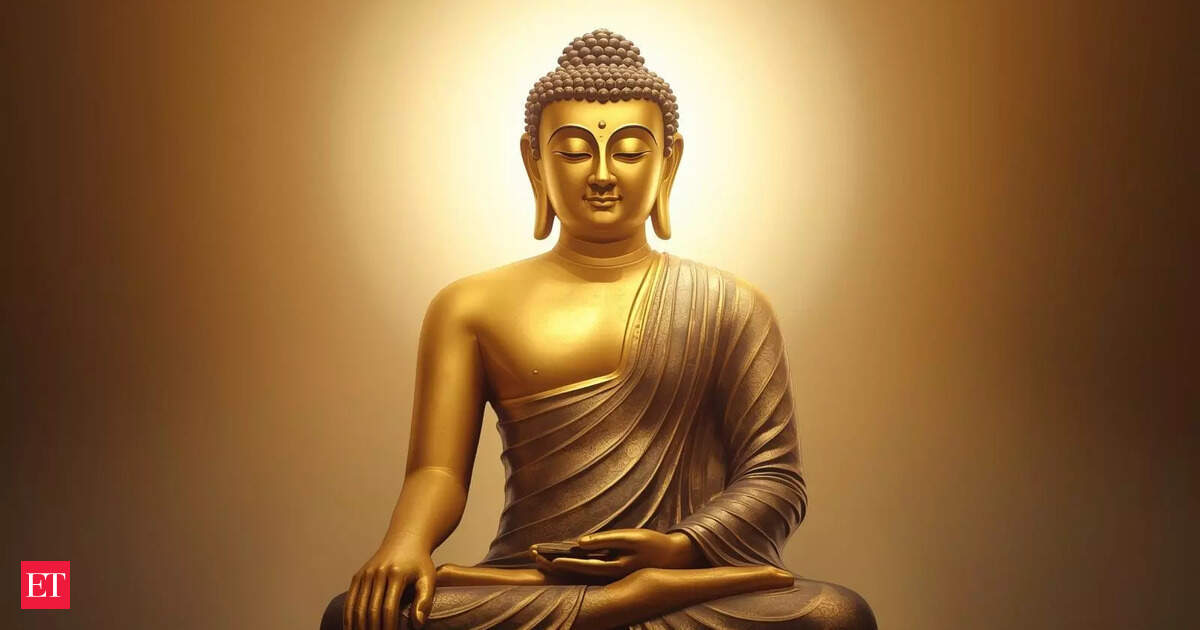
Vesak: Celebrating Buddha’s Birthday, History, and Observances
- Vesak commemorates the birth, enlightenment, and death of the Buddha, making it a significant event in Buddhism.
- The holiday is observed on the full moon of the Vesakha month, typically falling between April and June.
- Rituals include offerings to monks, releasing captive animals, and communal celebrations that foster community engagement.
Vesak, also known as Wesak, is a significant Buddhist holiday that marks the birth, enlightenment, and death of Siddhartha Gautama, who became known as the Buddha. This celebration is particularly important in Theravada Buddhism and is observed on the full moon day of the lunar month Vesakha, which typically occurs in April, May, or June.
The significance of Vesak extends beyond mere celebration; it serves as a time for reflection on the core teachings of Buddhism. Observing Vesak allows practitioners to engage in acts of merit, fostering a deeper connection to the values of compassion, mindfulness, and community.
Continue Reading
History of Vesak
The origins of Vesak are not clearly documented in early Buddhist texts, but it is widely accepted in Theravada communities that the Buddha’s birth, enlightenment, and death all occurred on the full moon day of Vesakha. The Mahavaṃsa, a historical chronicle from the 5th to 6th century, mentions this holiday, while accounts from Chinese Buddhist pilgrim Faxian in the early 5th century suggest similar celebrations existed in India.
Some scholars believe that Vesak may have been introduced to Sri Lanka during the spread of Buddhism in the 3rd century BCE, particularly under Emperor Ashoka. The modern form of Vesak as a public celebration took shape in Sri Lanka during the 19th century, particularly as a response to colonial rule and the marginalization of Buddhism.
Rituals and Observances of Vesak
Vesak rituals vary significantly between monastic and lay communities. Monastic observances typically include:
- Processions of monks and nuns.
- Recitation of sutras (Buddhist scriptures).
- Offerings at temples, including food and flowers.
- Bathing of Buddha statues, symbolizing purification.
- Discourse on dharma, emphasizing Buddhist teachings.
For lay Buddhists, Vesak is an opportunity to engage in various acts of merit, such as:
- Providing alms to monks.
- Releasing captive animals, symbolizing compassion and freedom.
- Participating in community events and celebrations.
- Decorating homes and temples with lights and lanterns.
In many countries, Vesak has evolved into a vibrant festival, akin to a Buddhist Christmas, featuring parades, public displays of the Buddha’s life, and communal gatherings.
Global Observance of Vesak
Vesak is celebrated in various countries across Asia and beyond, each with unique customs and traditions. In Sri Lanka, the festival is marked by elaborate decorations and public celebrations. In Thailand, it is common to see candlelit processions and merit-making activities. Other countries, such as Cambodia, Myanmar, and Laos, also observe Vesak with local variations, emphasizing community involvement and spiritual reflection.
In 1950, the World Fellowship of Buddhists designated Vesak as an international holiday, and in 1999, the United Nations recognized it as such. This recognition underscores the holiday’s significance in promoting peace and understanding among diverse cultures.
Significance of Vesak in Buddhism
Vesak serves as a reminder of the core teachings of Buddhism, encouraging practitioners to reflect on the principles of compassion, mindfulness, and ethical living. The holiday offers an opportunity for Buddhists to renew their commitment to the path of enlightenment and to engage in acts that benefit both themselves and their communities.
Moreover, Vesak fosters a sense of unity among Buddhists worldwide, as they come together to celebrate the life and teachings of the Buddha. By participating in communal rituals and acts of kindness, individuals can strengthen their spiritual practice and contribute to a more compassionate society.
Frequently Asked Questions
Vesak is a significant Buddhist holiday that commemorates the birth, enlightenment, and death of the Buddha. It is celebrated on the full moon of the Vesakha month, emphasizing reflection and acts of merit.
Cultural observances of Vesak vary, with countries like Sri Lanka, Thailand, and Cambodia incorporating unique rituals such as processions, offerings, and community celebrations.
Common rituals include offering alms to monks, bathing Buddha statues, releasing captive animals, and participating in communal celebrations that foster community spirit.
Note: Provide a strategic conclusion reinforcing long-term business impact and keyword relevance.