Sikhs in Maharashtra to Commemorate Guru Tegh Bahadur’s 350th Martyrdom Anniversary
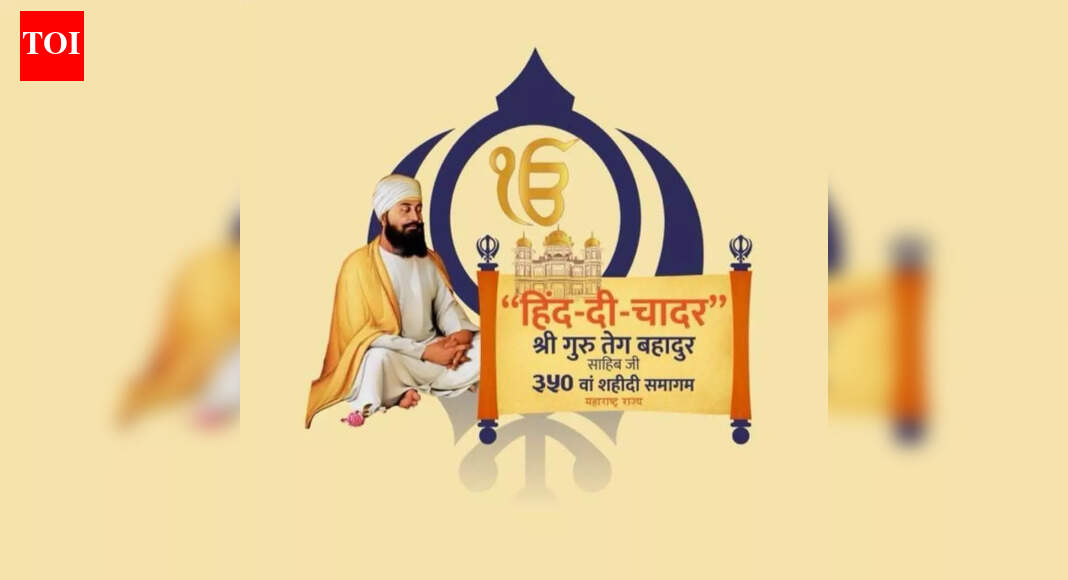
The Sikh community in Maharashtra is gearing up for a year-long celebration to honor the 350th martyrdom anniversary of Guru Tegh Bahadur, the ninth Guru of the Sikhs. The commemorations will include a variety of cultural events aimed at highlighting the Guru’s enduring legacy of faith and humanity.
With the Maharashtra government allocating Rs 95 crore for these observances, the initiative underscores the significance of Guru Tegh Bahadur’s sacrifice, particularly his commitment to justice and interfaith respect, which continues to inspire generations.
Continue Reading
Overview of the Commemorations
The year-long celebrations will kick off with various activities designed to engage the community and educate the public about the life and teachings of Guru Tegh Bahadur. Events planned include:
- Gurbani and Kirtan performances
- Katha (storytelling) sessions
- Gatka (traditional martial arts) demonstrations
- Essay and elocution competitions
- Skit performances
- Art exhibitions
These activities will take place across Maharashtra, from Nanded to Nagpur and Mumbai to Raigad, ensuring that the Guru’s message reaches every corner of the state.
Significance of Guru Tegh Bahadur’s Martyrdom
Guru Tegh Bahadur’s martyrdom on November 25, 1675, holds profound significance in Sikh history. His execution by Mughal Emperor Aurangzeb was not merely a personal sacrifice but a stand against religious oppression. The Guru was offered the choice to convert to Islam or perform a miracle to save his life. He chose to uphold his faith, demonstrating immense courage and commitment to justice.
His decision to sacrifice his life was primarily to protect the Kashmiri Pandits, who were facing persecution. The Guru’s intervention was pivotal, as he sought to save innocent lives, regardless of their faith. This act of selflessness has made him a symbol of resistance against tyranny and a champion of human rights.
The Role of the Maharashtra Government
The Maharashtra government has recognized the importance of this anniversary by allocating a substantial budget of Rs 95 crore for the celebrations. This funding will support various events and initiatives that aim to educate the public about the Guru’s teachings and contributions to society.
Bal Malkit Singh, convenor of the State Level Committee and Executive Chairman of the Maharashtra State Punjabi Sahitya Academy, emphasized the government’s commitment to preserving the Guru’s message. He stated, “This initiative reflects the government’s commitment to preserving and spreading the Guru’s timeless message of sacrifice, faith, and humanity.” The events are expected to inspire future generations and promote unity and respect among different faiths.
Community Involvement
In addition to the Sikh community, various other groups, including Banjara, Lubana, Sikhlighar, Mohil, Sindhi, and Guru Nanak Nam Leva Sanga, are participating in the commemorations. This collaboration reflects a broader commitment to interfaith dialogue and mutual respect.
A state-level committee has been formed to coordinate these events, ensuring that they are well-organized and impactful. Community leaders are enthusiastic about the government’s support and are working diligently to make the commemorations memorable.
Historical Context of Guru Tegh Bahadur’s Sacrifice
Guru Tegh Bahadur’s martyrdom is not just a historical event; it is a lesson in resilience and moral courage. When faced with the choice of conversion or execution, the Guru chose to uphold his beliefs, setting a powerful example for future generations. His legacy is commemorated at Gurudwaras Sis Ganj Sahib and Rakab Ganj Sahib, which mark the sites of his execution and cremation, respectively.
Historians note that the Guru’s sacrifice was not only for the Sikh community but for all who were oppressed. His willingness to die for the rights of the Kashmiri Pandits illustrates his commitment to humanity above all else. Dr. Kultar Singh Cheema, a retired history professor, remarked, “The Guru showed great resilience in the face of a huge crisis. He did not succumb to pressure or enticement.” This unwavering spirit continues to resonate with people today.
Frequently Asked Questions
Guru Tegh Bahadur’s martyrdom is significant as it represents a stand against religious oppression and a commitment to justice, particularly for the Kashmiri Pandits facing persecution.
Activities include Gurbani performances, Katha sessions, Gatka demonstrations, essay competitions, skits, and art exhibitions across various locations in Maharashtra.
The Maharashtra government has allocated Rs 95 crore for the commemorations, reflecting its commitment to preserving and promoting the teachings of Guru Tegh Bahadur.
Note: The year-long commemorations of Guru Tegh Bahadur’s 350th martyrdom anniversary aim to inspire unity, respect for all faiths, and a deeper understanding of his teachings on sacrifice and humanity.