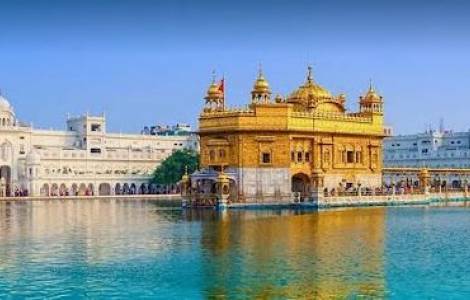
Sikhism: Selecting Leaders – A Crucial Process
The process of selecting leaders in Sikhism is not just a matter of succession; it is a profound reflection of the values and teachings of the faith. The historical context of leadership selection within Sikhism provides insights into how these choices shape the community’s future.
From the time of Guru Nanak Dev Ji, the founder of Sikhism, to the present day, the emphasis on merit, dedication, and spiritual integrity has remained central to the Sikh leadership model. This article explores the significance of these principles in the context of Sikh leadership.
Continue Reading
The Historical Context of Leadership in Sikhism
Leadership in Sikhism can be traced back to the teachings of Guru Nanak Dev Ji, who laid the foundation for a spiritual and communal way of life. In 1539, as Guru Nanak approached the end of his earthly journey, he faced the crucial decision of selecting his successor. This moment was pivotal, not only for the Sikh community but also for the future direction of the faith.
Guru Nanak’s Selection Process
Guru Nanak’s family favored his sons to inherit the mantle of leadership. However, he chose to test his followers to identify the most deserving candidate. This decision highlights a core principle in Sikhism: leadership should not be based solely on lineage but on merit and character.
The event is symbolically represented in the Guru Granth Sahib through the hymns of poets Balwand and Sata, illustrating the importance of spiritual readiness and commitment among potential leaders.
Key Lessons from Guru Nanak’s Leadership Selection
- Merit Over Lineage: The selection of Bhai Lehna (later Guru Angad Dev Ji) over Guru Nanak’s biological sons emphasizes that true leadership is based on one’s actions and dedication to the community.
- Testing Commitment: Guru Nanak’s method of testing his followers through various challenges illustrates the importance of resilience and loyalty in leadership.
- Community and Service: The emphasis on serving the community and working together is a fundamental aspect of Sikh leadership, as demonstrated by Guru Angad’s commitment to honest labor and communal dining.
The Role of the Guru Granth Sahib
The Guru Granth Sahib, the holy scripture of Sikhism, plays a crucial role in guiding the selection and conduct of leaders. It serves as a spiritual and ethical framework for Sikh leaders, emphasizing values such as equality, humility, and service to humanity.
Leaders are expected to embody these principles and act as role models for their communities. The teachings within the Guru Granth Sahib continually remind leaders of their responsibilities and the importance of serving others.
Modern Implications of Leadership Selection in Sikhism
In contemporary Sikh communities, the principles established by Guru Nanak continue to influence leadership selection processes. Various Sikh organizations and institutions strive to uphold these values in their leadership practices.
Criteria for Selecting Leaders Today
- Spiritual Integrity: Leaders are expected to demonstrate a deep commitment to the teachings of Sikhism and to live by its values.
- Community Engagement: Active participation in community service and outreach is essential for anyone aspiring to leadership roles.
- Transparency and Accountability: Modern Sikh leaders must be transparent in their decision-making processes and accountable to the community they serve.
Challenges in Leadership Selection
While the principles of leadership selection in Sikhism are clear, challenges remain in their implementation. Issues such as political influence, personal ambitions, and societal pressures can complicate the selection process.
It is crucial for the Sikh community to remain vigilant and ensure that the selection of leaders aligns with the values and teachings of Sikhism, thereby preserving the integrity of the faith.
Frequently Asked Questions
Guru Nanak’s selection process emphasizes the importance of merit and character over lineage, setting a precedent for future leadership within Sikhism.
The Guru Granth Sahib serves as a spiritual and ethical guide for Sikh leaders, emphasizing values such as equality, humility, and service to humanity.
Modern criteria include spiritual integrity, community engagement, and transparency, ensuring that leaders reflect the values of Sikhism.
Note: The selection of leaders in Sikhism is a reflection of its core values and teachings, emphasizing the importance of character, service, and community involvement.