Why Til Daan is Considered Auspicious in Makar Sankranti
- Understanding the significance of Til Daan as a spiritual practice during Makar Sankranti.
- Exploring the role of sesame seeds and jaggery in promoting physical and spiritual well-being.
- Recognizing the karmic implications of charitable acts performed during this auspicious time.
Makar Sankranti is a significant festival in India, marking the transition of the sun into Capricorn. This period is not only a time for celebration but also a moment for spiritual reflection and renewal. One of the most important rituals associated with this festival is Til Daan, the act of donating sesame seeds.
This article delves into the reasons behind the auspiciousness of Til Daan, exploring its roots in ancient traditions, its significance in modern practices, and the deeper meanings associated with this ritual.
Continue Reading
The Spiritual Significance of Makar Sankranti
Makar Sankranti marks a pivotal moment in the Hindu calendar when the sun transitions into Capricorn, also known as Makara. This astronomical event is believed to activate karmic energies, making it an ideal time for spiritual practices and charitable acts. The actions taken during this period are thought to yield amplified results, both positive and negative.
As such, Til Daan is not merely a ritualistic offering; it represents a karmic reset, allowing individuals to shed past burdens and embrace new beginnings.
Understanding the Role of Sesame Seeds
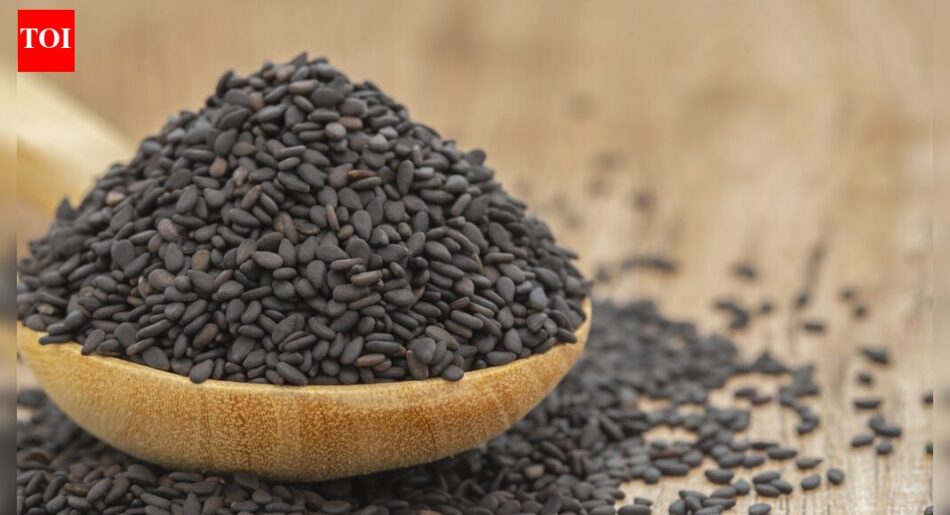
In Hindu tradition, sesame seeds, or til, are considered sacred. Ancient texts describe them as having divine origins, linking them to Yama, the god of death. This connection emphasizes their role in rituals aimed at releasing past karmic debts and facilitating spiritual cleansing.
When individuals donate sesame seeds on Makar Sankranti, they are symbolically offering their accumulated karmic residue, helping to dissolve emotional weight and regrets. This act of giving is seen as a means of achieving closure and moving forward.
The Sweetness of Jaggery
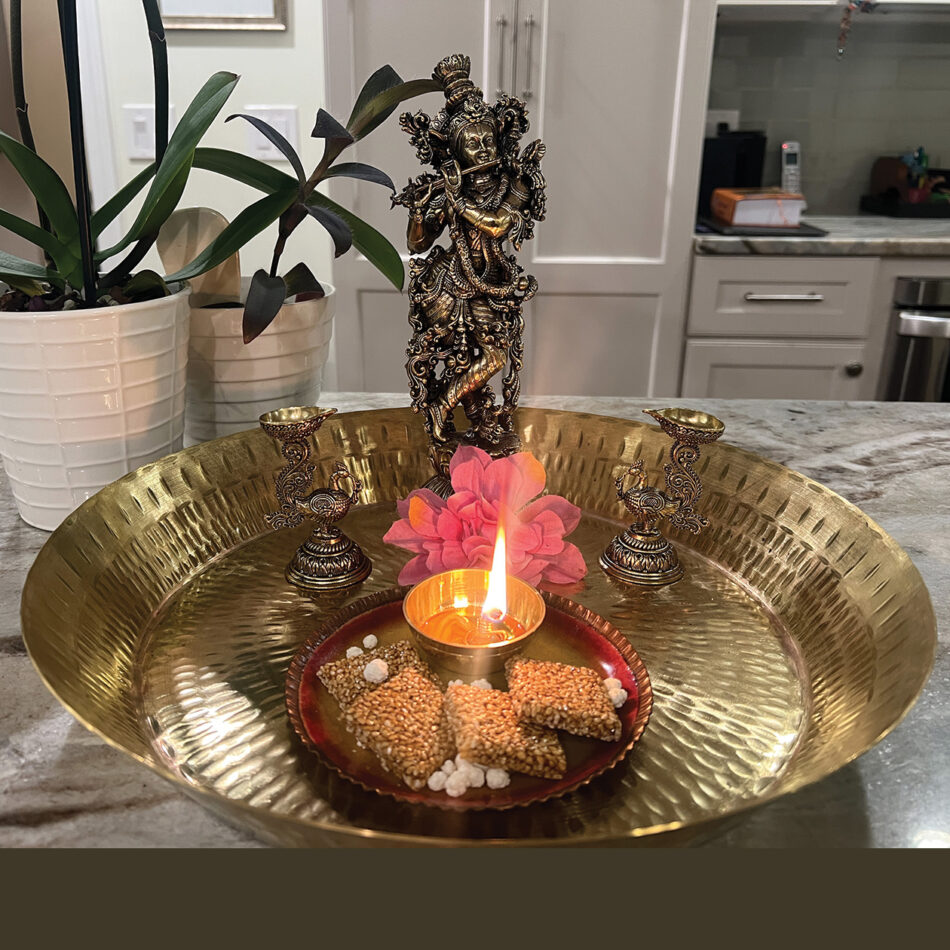
Typically, sesame seeds are paired with jaggery, which adds a layer of meaning to the ritual. While sesame represents the past, jaggery symbolizes sweetness, warmth, and goodwill toward the future. The combination of these two ingredients conveys a powerful message: let go of past bitterness and embrace a sweeter, more positive outlook.
This cultural saying, “Til-gul ghya, god god bola,” translates to “Take sesame and jaggery and speak sweetly,” reinforcing the idea that spiritual alignment and social harmony are interconnected.
Seasonal Wisdom and Physical Benefits
Makar Sankranti occurs during the coldest phase of winter, when the body’s digestive fire is weak. Sesame seeds are warming and nourishing, making them an ideal food for this season. The act of consuming til and jaggery helps restore energy and digestion, promoting overall well-being.
By incorporating Til Daan into their practices, individuals not only enhance their spiritual journey but also support their physical health, recognizing the interconnectedness of body and soul.
The Importance of Charity
In Indian culture, the act of giving, or daan, is not meant to impoverish the giver but to circulate energy. Donating til during Makar Sankranti is particularly significant as it provides nourishment during a time of physical vulnerability. This selfless act is believed to carry higher merit, reinforcing the importance of charity in spiritual practices.
Moreover, the humble nature of sesame seeds serves to dissolve ego, reminding individuals that true spiritual merit stems from sincere intentions rather than grand gestures.
The Enduring Tradition of Til Daan
Despite the passage of time, the ritual of Til Daan remains relevant today. It serves as a moment of transition, inviting individuals to let go of emotional coldness and embrace warmth and clarity. This practice not only marks the harvest festival but also symbolizes a turning point in one’s spiritual journey.
Through the simple act of giving sesame seeds, individuals unlock a gentler, clearer beginning, reinforcing the enduring power of tradition in modern life.
Frequently Asked Questions
Til Daan is significant as it symbolizes the release of past karmic burdens and promotes spiritual cleansing, making it an auspicious act during the festival.
Sesame seeds are considered sacred due to their divine origins and associations with rituals aimed at dissolving past karmic debts.
Til Daan benefits both parties by circulating energy, providing nourishment during vulnerable times, and fostering a sense of community and goodwill.
Note: Provide a strategic conclusion reinforcing long-term business impact and keyword relevance.