Understanding Hinduism in India: A Comprehensive Overview
- Hinduism is one of the oldest religions, influencing Indian culture and society.
- Key concepts such as Dharma, Karma, and Moksha guide the ethical framework.
- Understanding the diverse practices and beliefs is crucial for cultural competence.
- Exploring the role of festivals and rituals highlights the religion’s vibrancy.
Hinduism, often termed as Sanatana Dharma, is not just a religion but a way of life for millions in India. With its roots tracing back over 4,000 years, it is one of the oldest religions still practiced today.
The significance of Hinduism extends beyond spiritual beliefs; it shapes the social, cultural, and political landscape of India. Understanding its core principles and practices is essential for anyone looking to grasp the complexities of Indian society.
Continue Reading
Historical Context of Hinduism
Hinduism’s history is rich and complex, evolving through various stages influenced by cultural interactions, invasions, and philosophical developments. The Vedic period (1500–500 BCE) marks the beginning of Hindu thought, characterized by the composition of the Vedas, the oldest sacred texts.
Over the centuries, Hinduism absorbed various local traditions and practices, leading to the emergence of numerous sects and schools of thought. This adaptability has allowed Hinduism to thrive and maintain relevance in modern times.
Core Beliefs and Concepts
Dharma
Dharma refers to the moral and ethical duties one must follow in life. It varies according to age, caste, gender, and occupation, guiding individuals in their conduct and responsibilities.
Karma
Karma is the principle of cause and effect, where an individual’s actions influence their future. Good deeds lead to positive outcomes, while negative actions result in suffering. This belief encourages ethical behavior and personal accountability.
Moksha
Moksha signifies liberation from the cycle of birth, death, and rebirth (samsara). It is the ultimate goal of Hindu life, achieved through self-realization and understanding one’s true nature.
Diversity of Practices
Hinduism is not monolithic; it encompasses a wide range of beliefs and practices. Major sects include Shaivism, Shaktism, and Vaishnavism, each with unique rituals and philosophies. This diversity is reflected in the various forms of worship, from elaborate temple ceremonies to simple home rituals.
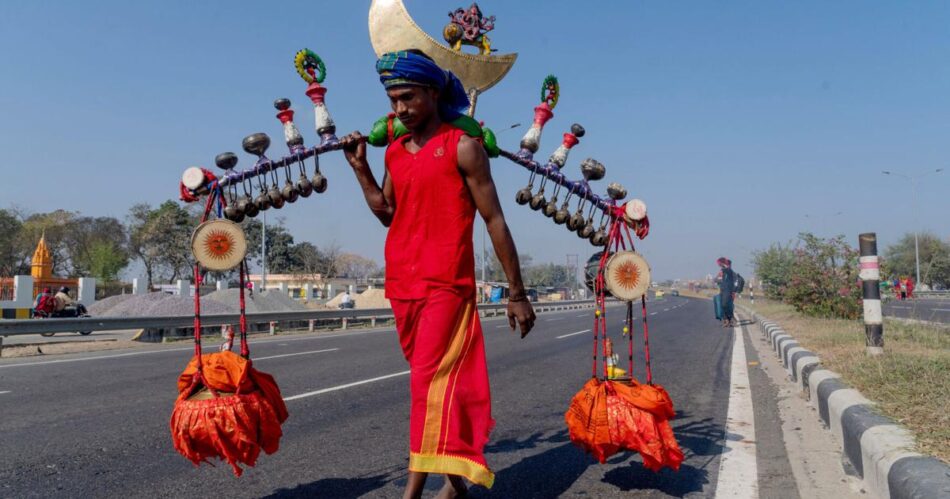
- Rituals: Daily rituals, known as Puja, can be performed at home or in temples, involving offerings to deities.
- Festivals: Festivals like Diwali, Holi, and Navaratri celebrate different aspects of life and spirituality, fostering community and cultural identity.
- Yoga and Meditation: Integral to Hindu practice, these disciplines promote physical and spiritual well-being.
Social and Cultural Impact
Hinduism profoundly influences Indian culture, from art and music to literature and cuisine. The religion’s values are embedded in social norms and practices, shaping interpersonal relationships and community structures.
Furthermore, Hindu philosophy has contributed significantly to global thought, particularly in areas like ethics, metaphysics, and psychology. The emphasis on non-violence (Ahimsa) and respect for all living beings has resonated beyond India, influencing various social movements worldwide.
Challenges and Modern Developments
Despite its rich heritage, Hinduism faces challenges in the contemporary world. Issues such as caste discrimination, gender inequality, and religious intolerance persist, prompting discussions on reform and modernization.
Moreover, the globalization of culture has led to a reinterpretation of Hindu practices, with younger generations blending tradition with modern values. This evolution presents both opportunities and challenges in preserving the essence of Hinduism while adapting to changing societal norms.
Conclusion
Hinduism remains a vital force in India, embodying a complex interplay of beliefs, practices, and cultural expressions. Its adaptability and resilience ensure its relevance in an ever-changing world. Understanding Hinduism is essential for appreciating India’s rich tapestry of life.
Frequently Asked Questions
The primary texts include the Vedas, Upanishads, Bhagavad Gita, and Puranas, each serving different purposes in guiding spiritual and ethical conduct.
Hinduism is polytheistic, worshipping numerous deities representing various aspects of the divine, while also recognizing a singular ultimate reality known as Brahman.
Festivals are vital for community bonding, celebrating spiritual themes, and reinforcing cultural identity through rituals and collective participation.
Note: Provide a strategic conclusion reinforcing long-term business impact and keyword relevance.