Chaturthi Vrat 21 February 2026: Auspicious Timings, Rituals & Ganesh Puja Guide
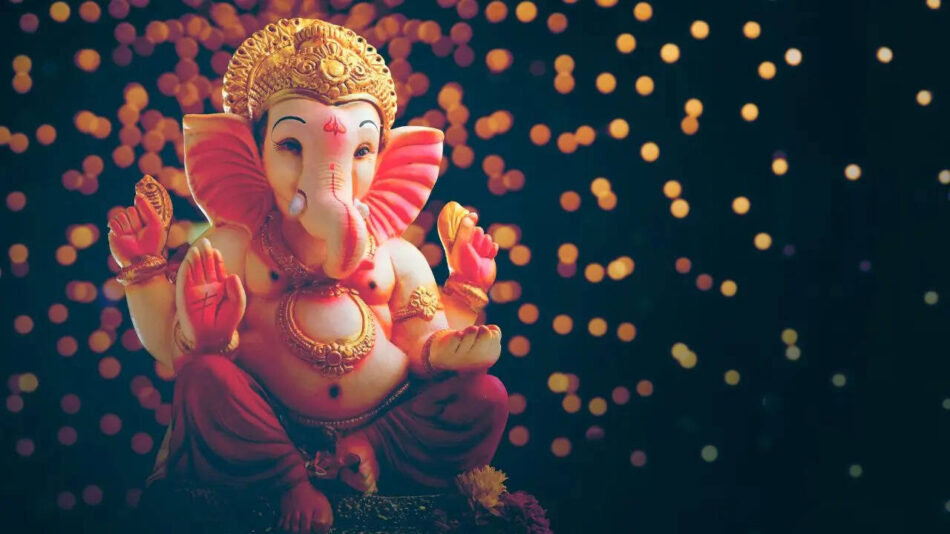
Chaturthi Vrat, a significant occasion in the Hindu calendar, is dedicated to Lord Ganesha, the deity known for removing obstacles and bestowing wisdom. On February 21, 2026, devotees will observe this sacred fast, which is particularly meaningful amidst other spiritual events occurring around the same time.
This guide provides essential information about the auspicious timings, rituals, and the significance of Ganesh Puja for Chaturthi Vrat, ensuring that devotees can prepare adequately to receive Lord Ganesha’s blessings.
Continue Reading
Understanding Chaturthi Vrat
Chaturthi Vrat is observed on the fourth day (Chaturthi Tithi) of both the Shukla Paksha (waxing moon) and Krishna Paksha (waning moon) phases of the lunar month in the Hindu calendar. The Shukla Paksha Chaturthi is known as Vinayaka Chaturthi, while the Krishna Paksha Chaturthi is referred to as Sankashti Chaturthi.
Vinayaka Chaturthi is celebrated with great fervor, especially in the month of Bhadrapada, while Sankashti Chaturthi is typically observed by men seeking success and a life free from obstacles.
Auspicious Timings for 21 February 2026
For Ujjain, India, the timings for Chaturthi Tithi are as follows:
- Chaturthi Tithi Starts: February 20 at 2:38 PM
- Chaturthi Tithi Ends: February 21 at 1:01 PM
- Sunrise: 6:58 AM
- Sunset: 6:22 PM
- Moonrise: 9:07 AM (February 21)
- Moonset: 10:14 PM (February 21)
Devotees are encouraged to perform the puja during the Chaturthi Tithi for maximum benefits and to break their fast after moonrise.
Step-by-Step Puja Vidhi & Vrat Rules
Observing Chaturthi Vrat involves specific rituals that can be performed at home without the need for elaborate setups. Here is a simple guide:
- Pre-Dawn Bath and Sankalpa: Begin the day with a cleansing bath and set your intention (sankalpa) for the vrat.
- Altar Setup: Place an idol or image of Lord Ganesha on a clean altar. Decorate it with durva grass, fresh flowers, and modak sweets. Light a ghee lamp to create a sacred atmosphere.
- Main Puja: Chant the mantra “Om Gam Ganapataye Namah” 108 times. Offer 21 leaves or fruits as a gesture of devotion.
- Perform Aarti: Conclude the puja by performing Ganesha Aarti.
- Vrat Observance: Maintain a fruit-based fast, avoiding grains. The fast can be concluded after moonrise with Chandra Darshan.
Experts suggest that observing this vrat can help clear professional blockages and attract prosperity. Women participating in the rituals can enhance the merits of the observance.
Significance of Chaturthi Vrat
The Chaturthi Vrat holds particular significance in February 2026, coinciding with other festivals such as Phulera Dooj on February 19. This period is seen as a time of heightened spiritual energy, making it an opportune moment for devotees to seek blessings from Lord Ganesha.
In a year marked by global changes, the observance of Chaturthi Vrat offers practical protection and serves as a reminder to engage in community blessings. Sharing modaks, a traditional sweet offered to Ganesha, can enhance communal bonds and personal victories.
Full 2026 Chaturthi Vrat Dates
To plan ahead, here are the dates for Chaturthi Vrat in 2026:
- January 22 (Thursday)
- February 21 (Saturday)
- March 22 (Sunday)
- April 20 (Monday)
- May 20 (Wednesday)
- September 14 (Major Ganesh Chaturthi)
The next Sankashti Chaturthi will occur on March 6, 2026. For precise local timings, devotees can refer to panchang websites.
Frequently Asked Questions
Chaturthi Vrat is significant as it honors Lord Ganesha, the remover of obstacles, and is believed to bring prosperity and success to devotees.
The rituals can be performed at home with a simple setup, including a Ganesha idol, offerings of fruits, and chanting specific mantras.
The fast should be broken after moonrise on the day of Chaturthi.
<