Durga Ashtami Vrat 2026: February 24 Masik Durga Ashtami Date, Timings, Puja Vidhi & Importance
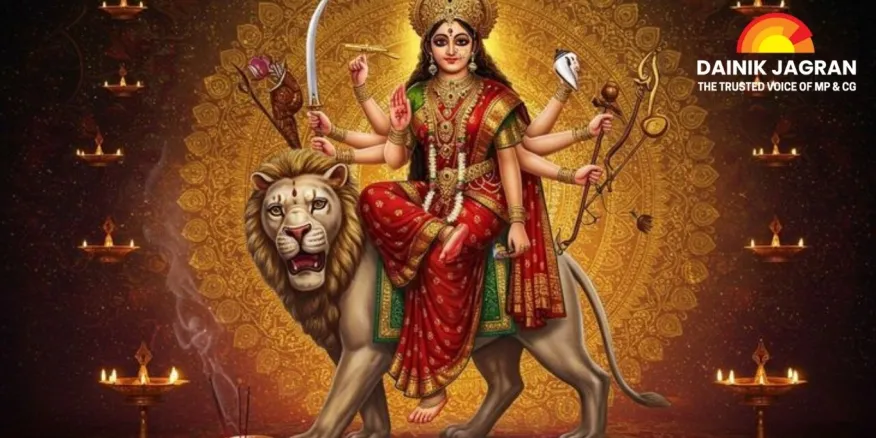
The Masik Durga Ashtami Vrat, dedicated to Goddess Durga, is an important monthly ritual observed by Hindu devotees. In 2026, this significant event falls on February 24, coinciding with the eighth day of the Shukla Paksha in the lunar calendar.
This observance not only honors the divine feminine power but also provides spiritual strength and blessings to those who partake in it. As devotees prepare for this auspicious day, understanding its rituals and significance is essential for a fulfilling experience.
Continue Reading
Event Date and Timings
The Masik Durga Ashtami Vrat is celebrated on the eighth day of the Shukla Paksha every lunar month. For February 2026, the Ashtami Tithi is as follows:
- Ashtami Tithi Begins: 07:02 AM, February 24 (IST, Ujjain)
- Ashtami Tithi Ends: 04:52 AM, February 25
- Sunrise: 06:56 AM on February 24
- Moonrise: 11:18 AM on February 24
These timings are based on the Ujjain Panchang and guide devotees in scheduling their puja. It is advisable to check local adjustments to ensure accuracy.
Puja Rituals and Vrat Rules
Devotees typically start their day with an early morning bath and the setup of Durga’s idol or image. The following offerings and rituals are integral to the puja:
- Offer flowers, sandalwood, incense, and lamps.
- Prepare special naivedyam, including sweets.
- Chant the Durga Chalisa, perform aartis, and recite Devi mantras.
- Conduct Kumari Puja, honoring young girls aged 2-10 as forms of Durga.
- Perform Astra Puja, worshiping Durga’s weapons, symbolizing Virashtami.
- Sow barley seeds for later offering.
- Visit temples in the evening for special pujas.
Fasting is a crucial aspect of the vrat, where devotees abstain from grains, non-vegetarian food, and alcohol. If necessary, they may consume fruits or milk. It is also customary to sleep on the floor, avoiding luxuries, and to conclude the day with Brahmin dana (donation to Brahmins).
Astrologers note that this vrat helps remove obstacles and invokes Durga’s protection, akin to her victory over the demon Mahishasura.
Significance and Benefits
The term “Durga” translates to “invincible,” and the Ashtami marks her triumph over evil. Monthly observances of this vrat accumulate blessings that promote prosperity, health, and family harmony. The significance of this observance can be summarized as follows:
- Spiritual: Overcomes negativity and gains spiritual strength.
- Practical: Enhances family bonding through shared rituals.
- Cultural: Prepares devotees for the major Navratri Ashtami in October.
This February event holds particular importance in the context of the 2026 festival calendar, with the next Masik Durga Ashtami scheduled for March 26. It empowers women and spiritual seekers alike, with many devotees reporting heightened peace and clarity following the observance.
Preparation for the Vrat
To ensure a meaningful observance of the Masik Durga Ashtami Vrat, devotees are encouraged to prepare in advance. Here are some tips:
- Gather all necessary items for the puja, including flowers, sweets, and incense.
- Set aside time for personal reflection and prayer leading up to the day.
- Coordinate with family members to participate in the rituals together.
- Consider visiting a temple for communal worship if possible.
- Plan meals that align with fasting rules, ensuring they are nutritious and fulfilling.
Frequently Asked Questions
Durga Ashtami Vrat signifies the victory of Goddess Durga over evil forces, promoting spiritual strength and blessings for prosperity and harmony in family life.
Rituals include early morning baths, offerings to the goddess, chanting of mantras, Kumari Puja, Astra Puja, and fasting from grains and non-vegetarian food.
Preparation involves gathering puja items, setting aside time for prayer, coordinating with family for participation, and planning meals that comply with fasting rules.
Note: Observing the Masik Durga Ashtami Vrat can lead to spiritual growth and a sense of community among devotees, making it a cherished tradition in Hindu culture.