Phalguna Amavasya 2026: Which Deities to Worship and How to Perform Amavasya Puja
Phalguna Amavasya, falling in the month of Phalguna, holds significant importance in Hindu culture. It is a day dedicated to honoring ancestors and performing rituals that are believed to bring peace to their souls.
This article explores the deities to worship and the correct procedures for performing Amavasya puja, ensuring that devotees can observe this sacred day with reverence and devotion.
Continue Reading
Significance of Phalguna Amavasya
Phalguna Amavasya is not just a new moon day; it is a time for spiritual reflection and connection with ancestors. The rituals performed on this day are believed to help in alleviating the sins of the deceased and provide them with peace in their afterlife.
This day is also considered auspicious for starting new ventures, as it is believed that the blessings of ancestors can lead to success and prosperity.
Deities to Worship on Phalguna Amavasya
On Phalguna Amavasya, devotees typically worship several deities, each representing different aspects of life and spirituality. The following deities are commonly revered:
- Lord Shiva: Worshipping Lord Shiva on this day is believed to cleanse one’s sins and bring peace.
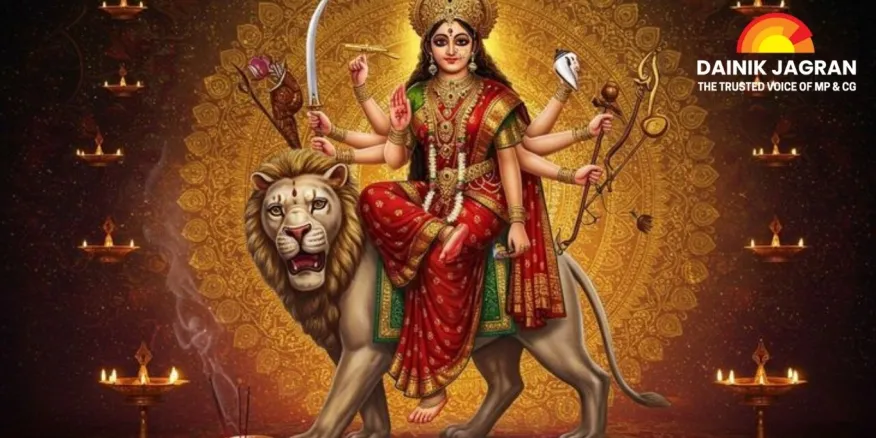
- Goddess Durga: She is worshipped for strength and protection against negative energies.
- Lord Vishnu: He is invoked for prosperity and the well-being of family.
- Ancestors (Pitrs): Special prayers are offered to honor and seek blessings from departed ancestors.
How to Perform Amavasya Puja
Performing Amavasya puja involves a series of rituals that are meant to honor the deities and ancestors. Here is a step-by-step guide on how to conduct the puja:
Preparation for the Puja
- Clean the Puja Area: Ensure that the space where the puja will be conducted is clean and free from clutter.
- Gather Puja Items: Collect all necessary items such as flowers, incense sticks, diya (lamp), fruits, sweets, and a picture or idol of the deities.
- Choose an Auspicious Time: Refer to a Hindu calendar to find the most auspicious time for performing the puja on Amavasya.
Steps to Conduct the Puja
- Begin with Sankalp: Take a vow to perform the puja with sincerity and devotion.
- Offer Flowers and Fruits: Present flowers and fruits to the deities as a symbol of respect and gratitude.
- Light the Diya: Light a diya and place it in front of the deities to invite positive energies.
- Chant Mantras: Recite specific mantras dedicated to Lord Shiva, Goddess Durga, and Lord Vishnu. This can include the Mahamrityunjaya Mantra for Shiva and the Durga Saptashati for Goddess Durga.
- Perform Tarpan: Offer water and rice to honor ancestors. This ritual is called Tarpan and is essential on Amavasya.
- Conclude with Prasad: After completing the rituals, distribute prasad (blessed food) among family members.
Benefits of Observing Phalguna Amavasya
Observing Phalguna Amavasya has several spiritual and personal benefits, including:
- Strengthening family bonds through collective worship.
- Gaining blessings from ancestors for prosperity and success.
- Achieving mental peace and clarity through spiritual practices.
- Fostering a sense of community by participating in rituals with others.
Conclusion
Phalguna Amavasya is a day rich with spiritual significance, offering an opportunity to connect with the divine and honor our ancestors. By following the rituals and worshipping the appropriate deities, devotees can ensure that they receive blessings for themselves and their families.
Frequently Asked Questions
Tarpan is a ritual performed to honor and appease ancestors. It is believed to bring peace to their souls and is especially significant on Amavasya.
Yes, anyone can perform Amavasya puja. It is open to all devotees who wish to seek blessings and honor their ancestors.
Essential items include flowers, fruits, a diya, incense sticks, and a picture or idol of the deities being worshipped.
Note: Observing Phalguna Amavasya with devotion can lead to spiritual growth and fulfillment of desires.