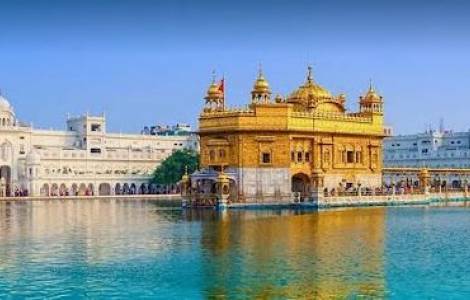
Pakistan’s New Welfare Strategy for the Sikh Community
In a significant move towards enhancing religious diplomacy, Pakistan’s Prime Minister Shehbaz Sharif has announced a new welfare strategy aimed at supporting the Sikh community both locally and internationally. This initiative comes as part of a broader effort to improve relations with religious minorities and bolster the country’s image on the global stage.
The Sikh community, which has deep historical roots in Pakistan, is set to benefit from improved facilities and welfare measures, particularly for the thousands of pilgrims who visit the country each year. This strategy not only aims to support the local Sikh population but also seeks to attract international Sikh pilgrims to Pakistan’s sacred sites.
Continue Reading
Background of the Sikh Community in Pakistan
Pakistan is home to over 15,000 Sikhs, primarily residing in the Punjab province. The country hosts several significant Sikh holy sites, including Nankana Sahib, the birthplace of Guru Nanak, and Kartarpur, where Guru Nanak is believed to have passed away. These sites attract thousands of pilgrims from India and other parts of the world, especially during religious festivals.
Recent Developments
During a meeting with Jaspreet Singh, the President of a prominent US-based Sikh organization, Prime Minister Sharif emphasized the government’s commitment to the welfare of the Sikh community. The meeting took place in Islamabad on November 18, 2025, shortly after a large group of Sikh pilgrims visited Pakistan to celebrate the birth anniversary of Guru Nanak Dev Ji.
Sharif stated, “We are trying to provide all possible facilities to the Sikh community coming to Pakistan.” This statement reflects the government’s intention to enhance the experience for Sikh visitors and ensure their safety and comfort during their stay.
Key Components of the Welfare Strategy
The new welfare strategy for the Sikh community is expected to include several key components:
- Improved Pilgrim Facilities: Upgrading infrastructure at holy sites to accommodate the increasing number of pilgrims.
- Enhanced Security Measures: Implementing better security protocols to ensure the safety of Sikh pilgrims and local community members.
- Community Engagement: Establishing programs that foster dialogue and cooperation between the Sikh community and other religious groups in Pakistan.
- Support for Local Sikhs: Initiatives aimed at improving the living conditions and welfare of the local Sikh population.
Significance of the Initiative
This initiative is particularly significant given the historical context of Sikh heritage in Pakistan. Following the partition in 1947, many Sikh holy sites remained in Pakistan, while a majority of Sikhs migrated to India. The current strategy aims to bridge the gap between these two communities, fostering goodwill and understanding amidst ongoing tensions.
Moreover, this move is part of Pakistan’s broader strategy to enhance its image as a country that respects and protects religious minorities. In recent years, incidents of violence against various minority groups, including Christians and Hindus, have drawn international scrutiny. By addressing the needs of the Sikh community, Pakistan aims to counteract negative perceptions and demonstrate its commitment to religious tolerance.
International Reactions
The announcement has been met with positive reactions from various quarters, including international Sikh organizations and human rights advocates. Many view this as a step towards reconciliation and a recognition of the Sikh community’s historical and cultural significance in Pakistan.
Furthermore, the Kartarpur Corridor, which allows Indian Sikhs to visit their holy site without a visa, has been hailed as a landmark agreement that facilitates religious tourism and strengthens ties between the two nations.
Challenges Ahead
Despite the positive developments, several challenges remain. The political landscape in Pakistan is complex, and ensuring the consistent implementation of welfare measures can be difficult. Additionally, ongoing tensions with India may impact the flow of pilgrims and the overall sentiment towards the Sikh community.
To address these challenges, it will be crucial for the Pakistani government to maintain open lines of communication with Sikh leaders and ensure that their concerns are heard and addressed effectively.
Frequently Asked Questions
The Sikh community has deep historical roots in Pakistan, with several holy sites located in the country. These sites are of great importance to Sikhs worldwide, making the community significant for religious tourism and cultural heritage.
The strategy aims to improve facilities at holy sites, enhance security measures, and foster community engagement, thereby providing a safer and more welcoming environment for Sikh pilgrims visiting Pakistan.
Challenges include navigating the complex political landscape, ensuring consistent implementation of welfare measures, and managing ongoing tensions with India that may affect the flow of pilgrims.
Note: The welfare strategy for the Sikh community in Pakistan represents a significant step towards religious diplomacy and community support, aiming to foster goodwill and improve the lives of Sikhs both locally and internationally.