Pakistan’s Use of Khalistani Elements to Foster Hindu-Sikh Discord
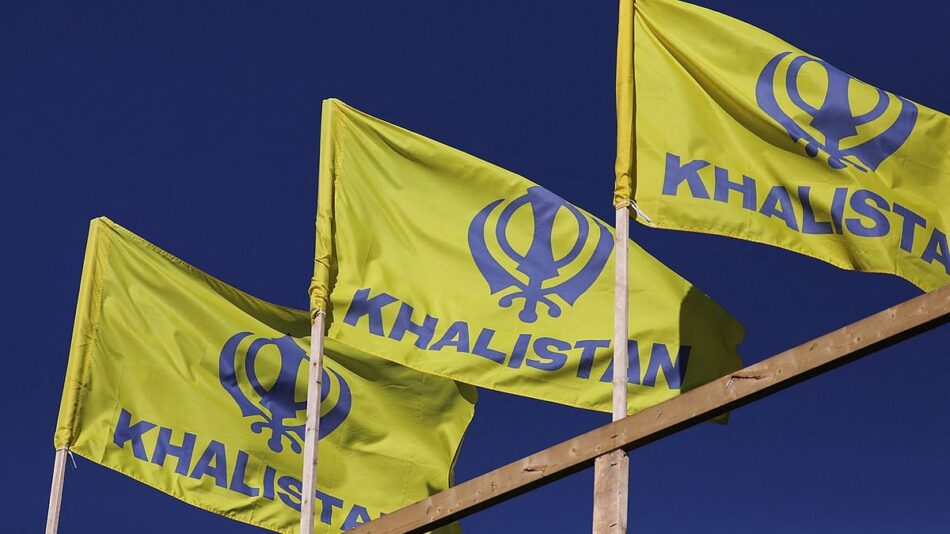
Recent reports indicate that Pakistan is actively working to create discord between Hindus and Sikhs in India by leveraging Khalistani elements through its intelligence agencies. This strategy appears to be part of a broader agenda aimed at destabilizing communal harmony in the region.
By presenting itself as a supporter of Sikhs while simultaneously backing Khalistani separatists, Pakistan seeks to undermine the reputation of Sikhs globally. This duplicity raises serious concerns about the intentions behind Pakistan’s actions.
Continue Reading
Background of the Issue
The relationship between Hindus and Sikhs in India has historically been characterized by mutual respect and shared cultural practices. However, recent developments suggest that external forces are attempting to exploit these ties for their own geopolitical interests. Pakistan’s intelligence agencies have reportedly been involved in supporting Khalistani separatists, who advocate for an independent Sikh state, thereby creating rifts within the Indian community.
Recent Incidents Highlighting the Tensions
A recent incident involving Hindu pilgrims traveling to Nankana Sahib for the celebrations of Guru Nanak Dev’s birth anniversary has brought this issue to the forefront. According to reports, around 14 Hindu devotees, including eight from Delhi and others from Lucknow, were humiliated and sent back by Pakistani authorities.
These pilgrims were reportedly prevented from boarding their bus to Nankana Sahib, with officials stating, “You are Hindus. You cannot go with the Sikh group.” This incident not only reflects a blatant act of discrimination but also raises questions about Pakistan’s intentions in granting visas to Hindu pilgrims in the first place.
Implications of the Incident
The incident has sparked outrage among Indian officials, who described it as a shocking and unprecedented act of discrimination. Observers have pointed out that the treatment of these Hindu pilgrims is indicative of Pakistan’s ongoing strategy to create divisions among communities in India.
- Discrimination against Hindu pilgrims undermines the spirit of religious tolerance.
- Such incidents can exacerbate communal tensions and lead to further polarization.
- Pakistan’s actions may alienate Sikhs who do not support Khalistani separatism.
Historical Context
Many of the Hindu families who were part of the recent pilgrimage had migrated to India from Pakistan in 1999 due to fears of persecution by Islamic extremists. These families acquired Indian citizenship in 2008, and their participation in the pilgrimage to Nankana Sahib is a testament to their enduring reverence for Guru Nanak Dev and the cultural ties that bind them to the region.
The Shimla Agreement between India and Pakistan allows groups of Indian pilgrims to travel annually to Nankana Sahib, fostering goodwill and understanding between the two nations. However, incidents like the recent one threaten to undermine these efforts.
Pakistan’s Strategy and Objectives
Pakistan’s dual approach of portraying itself as a friend to Sikhs while simultaneously supporting Khalistani separatists is a calculated strategy aimed at:
- Discrediting India on the international stage.
- Creating internal divisions within India to weaken its social fabric.
- Undermining the Sikh community’s unity and their relationship with Hindus.
By fostering discord, Pakistan seeks to distract from its own internal issues and project itself as a regional power capable of influencing communal dynamics in India.
Conclusion
The recent incident involving Hindu pilgrims serves as a stark reminder of the ongoing efforts by Pakistan to create rifts within Indian society. By leveraging Khalistani elements, Pakistan aims to destabilize the region and undermine the bonds that have historically united Hindus and Sikhs.
Frequently Asked Questions
Nankana Sahib is the birthplace of Guru Nanak Dev, the founder of Sikhism, and holds immense religious significance for both Sikhs and Hindus, who revere him as a spiritual leader.
Historically, Pakistan has oscillated between presenting itself as a supporter of Sikhs while also harboring elements that promote Khalistani separatism, leading to a complex and often contentious relationship.
Discriminatory actions can lead to increased communal tensions, alienation of communities, and a deterioration of relations between India and Pakistan, undermining peace efforts.
Note: The ongoing situation requires careful monitoring as it has implications for communal harmony in India and regional stability.